Star Green: The Story, Genetics, and Breeding Potential of an Extraordinary Clivia
By Carrie Kruger – Utopia Clivias, South Africa
The name Star Green evokes excitement among Clivia growers worldwide. This remarkable plant represents one of the most distinctive breakthroughs in interspecific breeding, combining unusual colour expression with unique genetic potential.
I was fortunate to acquire one of the earliest Star Green plants released by Charl Malan and Philip Crous. Since then, I have incorporated it extensively into my breeding programme. While many of the seedlings are still too young to flower, the genetic possibilities continue to show great promise.
Breeding with Star Green
Although my Star Green progeny have not yet all reached flowering size, I plan to document their results once they mature. Breeding work has already included using Star Green 2 as a pollen parent on a picotee interspecific first introduced at the Eastern Province show by Charl.
In addition to Star Green, I have added several related siblings to my collection:
Star Green 2 – very similar to the original Star Green
Star Bronze – bronze flowers with a striking white and green centre
Star Struck – pastel bronze with white and green centre
Cromwell Bronze – bronze flowers with bold white and green markings
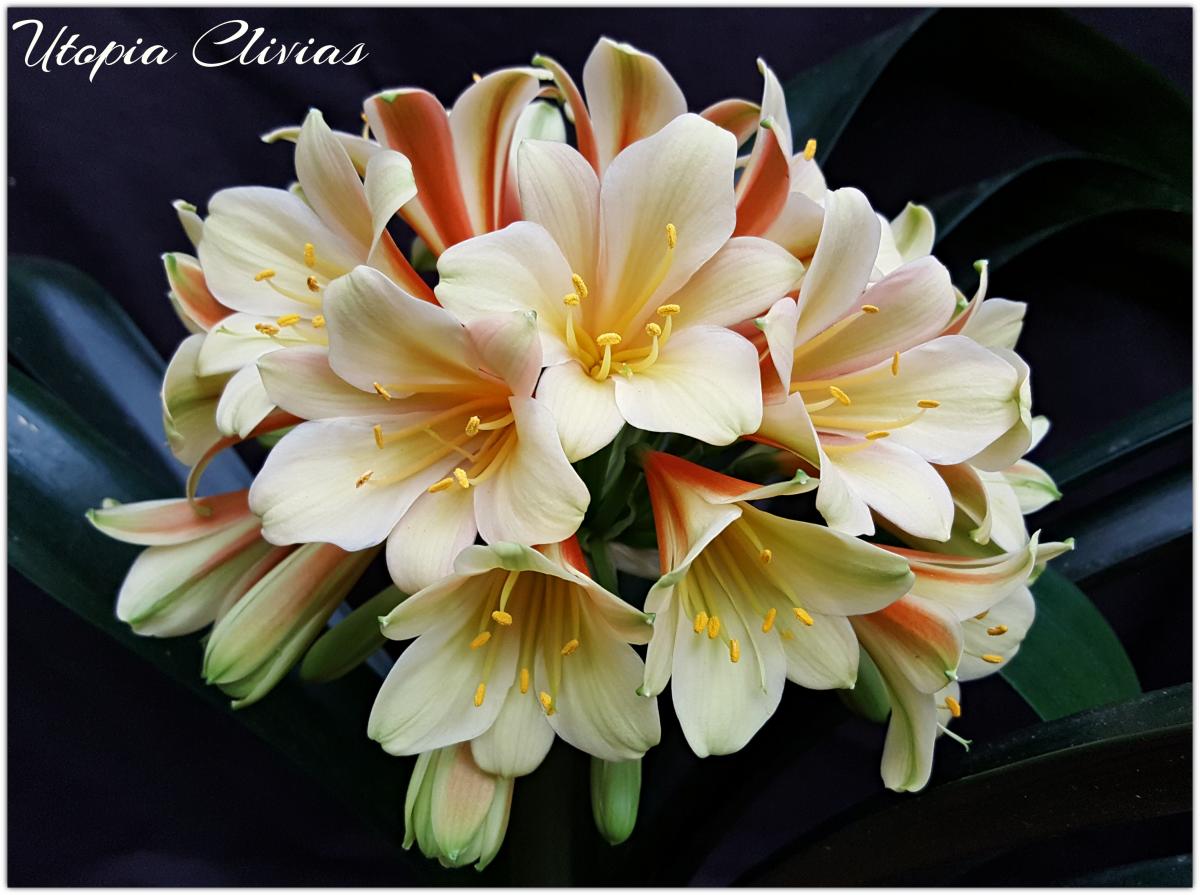
Two crosses using Star Green 2 as pollen parent flowered in the most recent season. One green-stemmed seedling produced a dark butter-yellow flower with subtle green tones. Another, with pigmented stems, closely mirrored Star Green’s colouring and has been named Tartan Green.
Experience has shown that pigmented stems often produce more intense and interesting colour expressions, an important observation for future breeding direction.
The Origin of Star Green
The history of Star Green is both rare and significant.
In 1997, Charl Malan received 31 different seed crosses from Mr. Nakamura in an exchange programme. Each batch was numbered from 1 to 31, with Batch No. 13 described as “Special Seed.”
From this batch:
Charl grew 15 seedlings
Philip Crous grew 9 seedlings
Batch 13 produced several extraordinary siblings, including:
Charl’s Green
Star Green
The Cromwell Bronze line
These plants share common genetics and represent one of the most influential breeding breakthroughs in modern interspecific Clivia development.
Breeding Challenges
Star Green is not an easy plant to work with, which makes its achievements even more remarkable.
Key characteristics include:
Slower growth compared to standard Clivia types
Higher susceptibility to disease and root rot
Limited fertility in self-pollination
Pollen must be collected immediately when flowers open
Successful pollination requires precision and timing. However, these challenges are balanced by the extraordinary breeding value Star Green offers.
Both Charl and Philip have since sold their original plants and offsets. Today, Star Green exists in select breeding collections, preserving its genetics for continued development.
Future Potential
I remain committed to further breeding with Star Green and its siblings. Each cross presents the possibility of producing new and unique colour combinations, strengthening the direction of advanced interspecific breeding.
All related plants are being registered on the International Clivia Register and Checklist to ensure their preservation and recognition within Clivia history.
Star Green continues to represent innovation, rarity, and opportunity in modern Clivia genetics — a plant that has truly elevated breeding possibilities to a new level.