Unusual Clivias: Rare Forms, Mutations, and Modern Breeding Trends
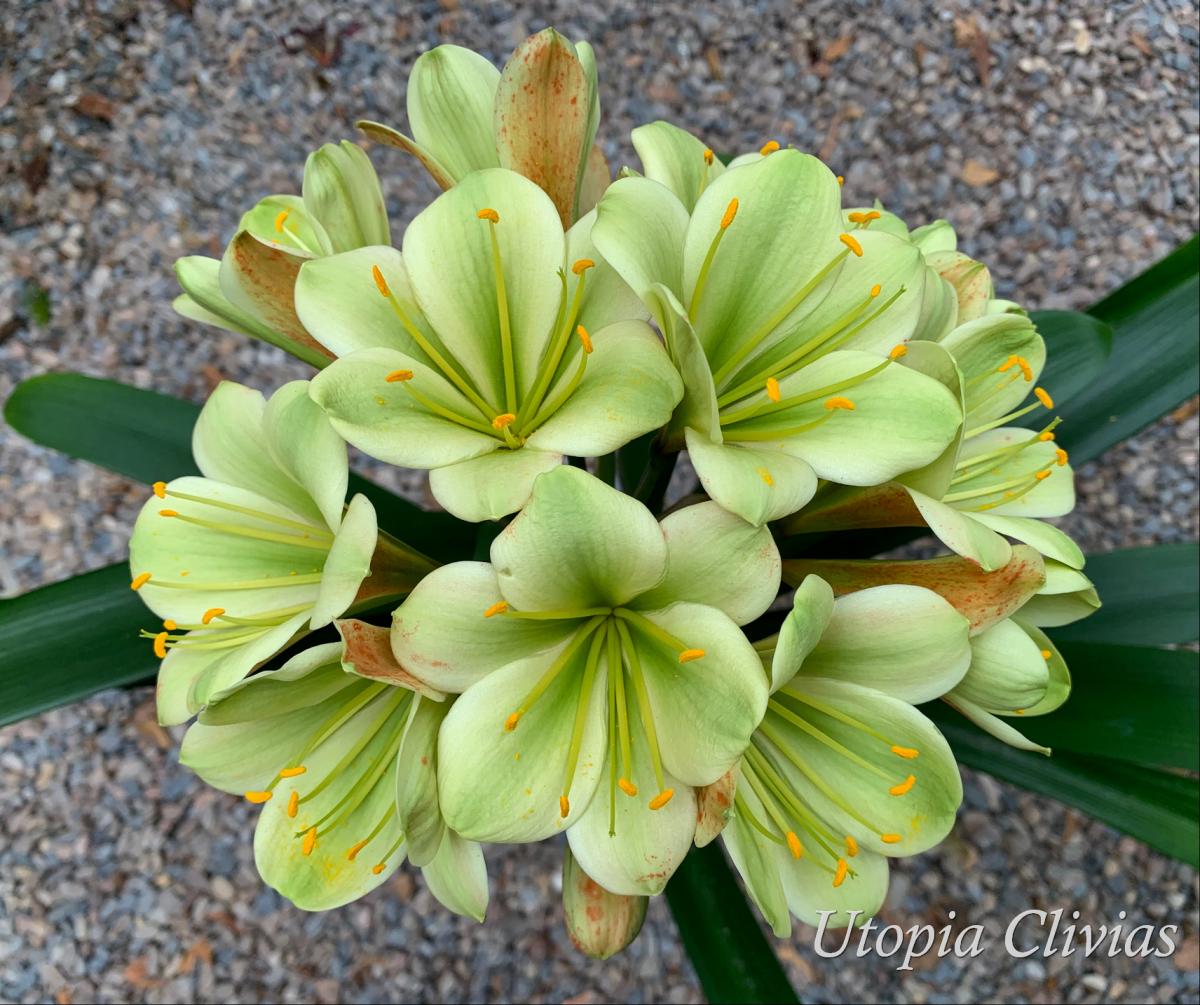
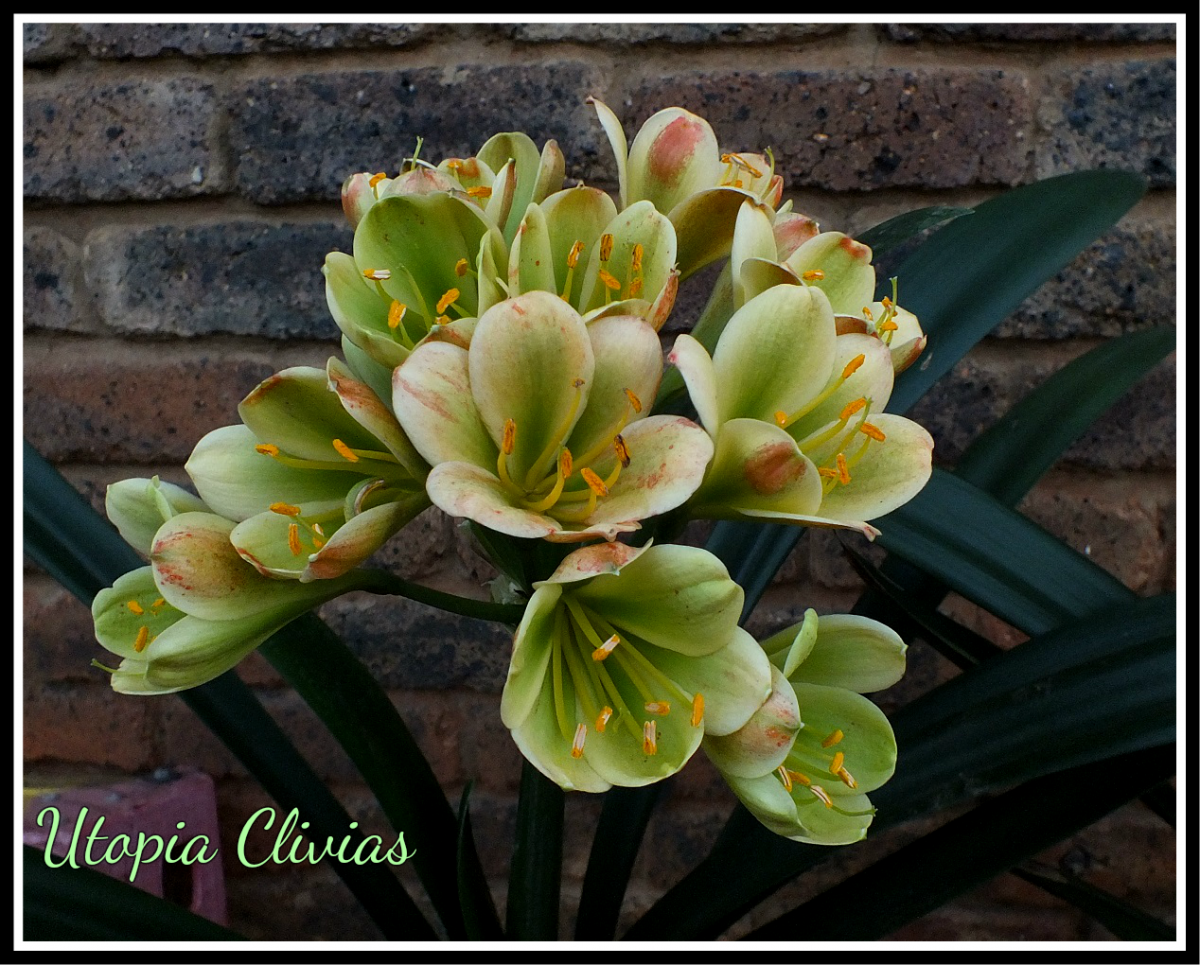
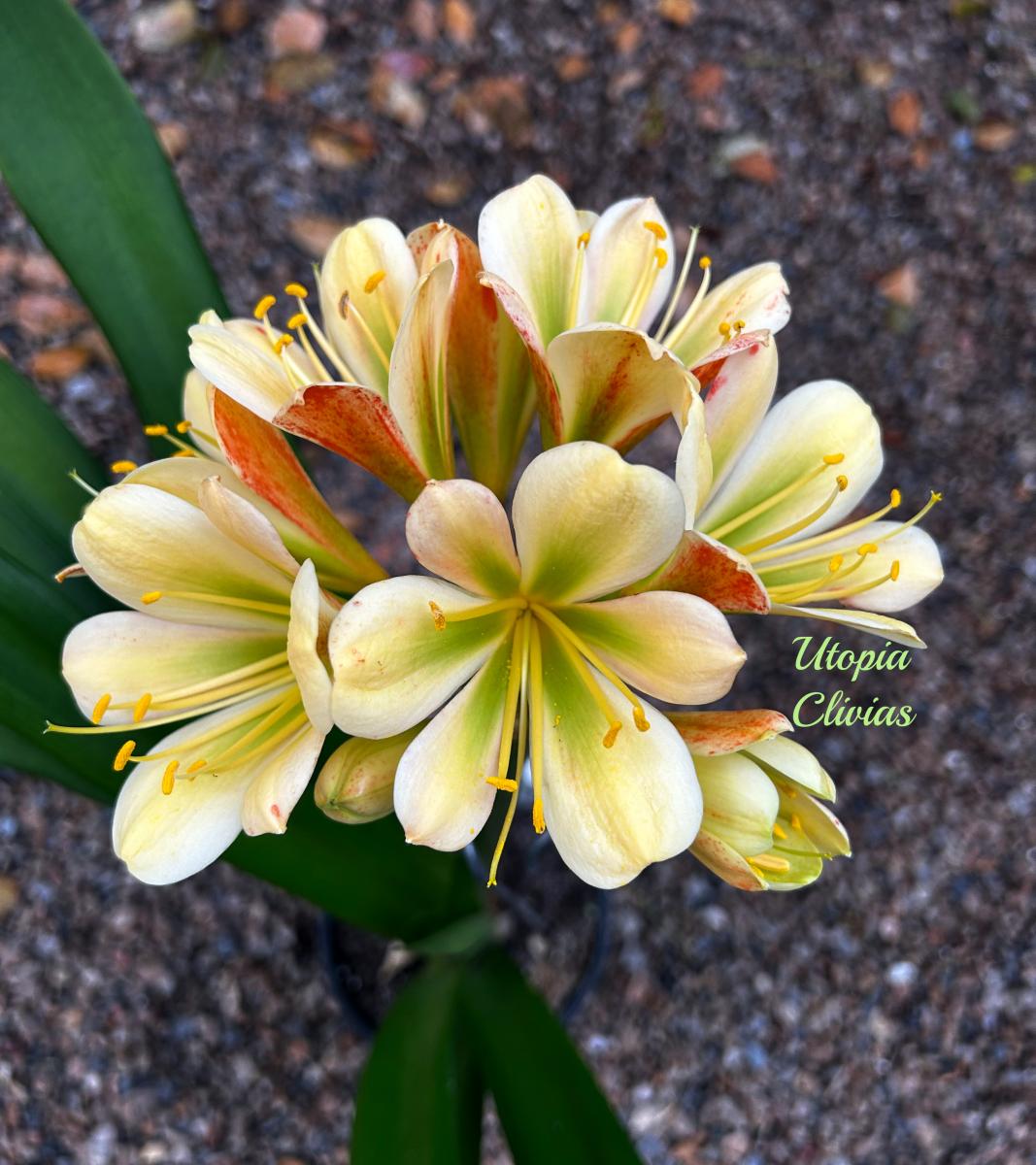
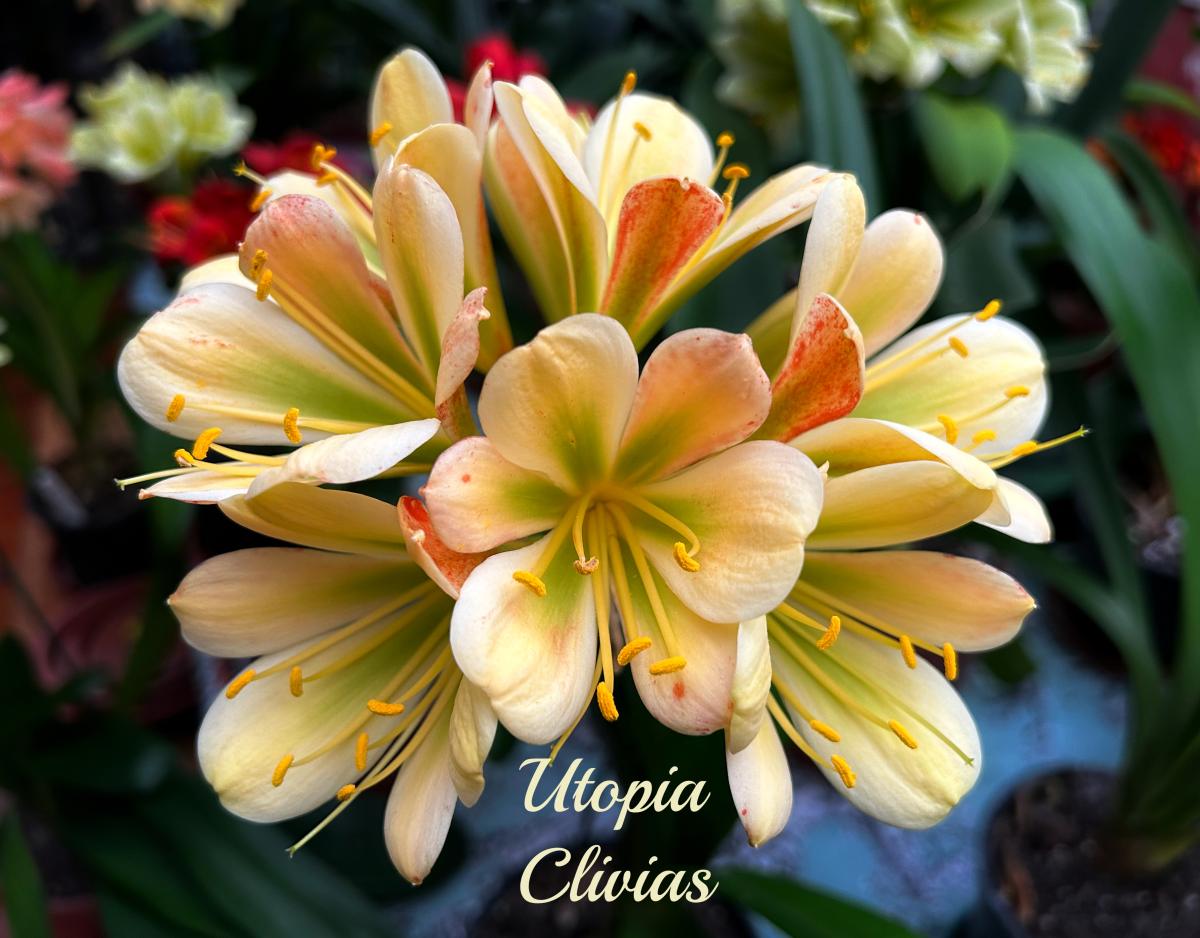
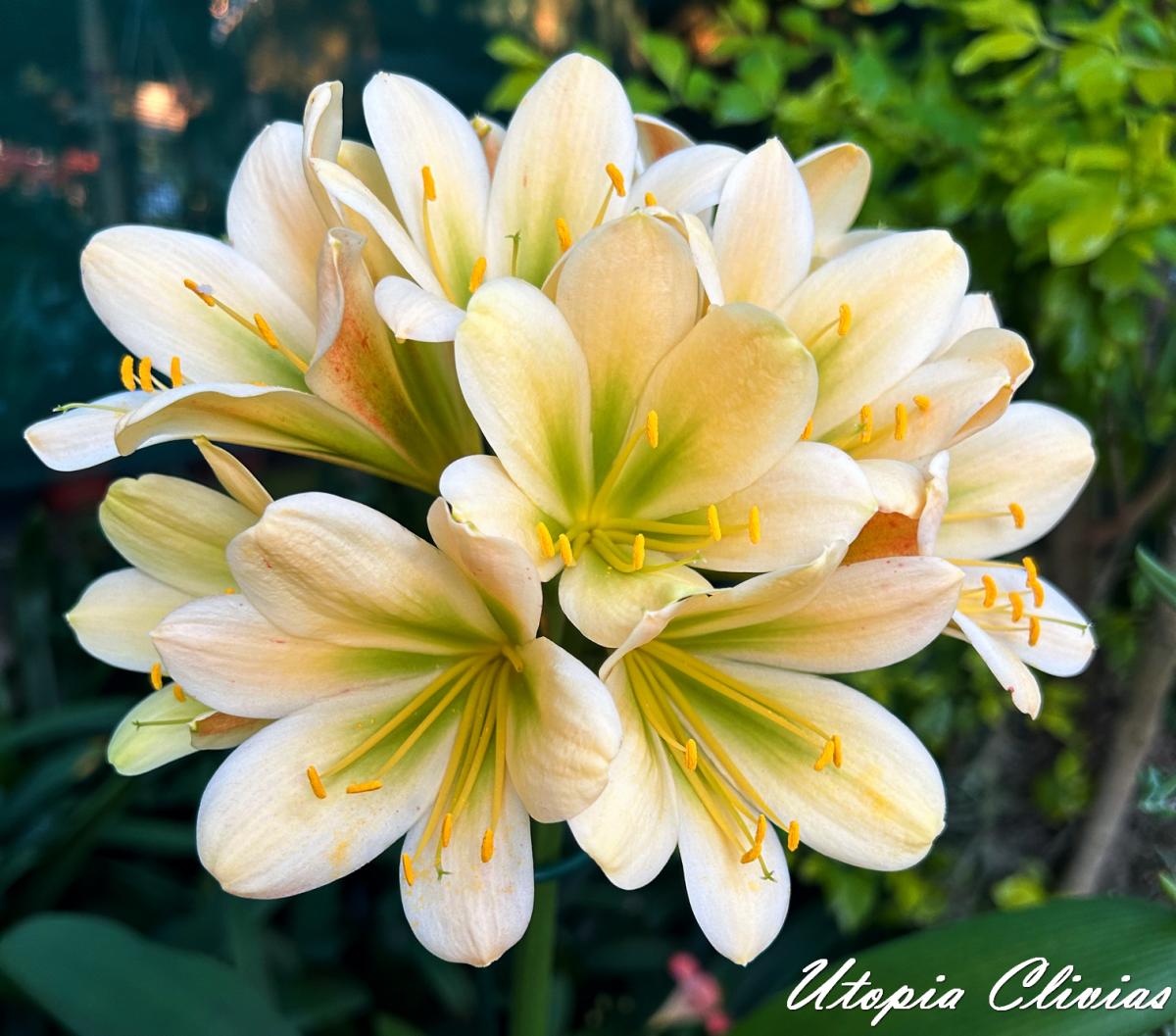
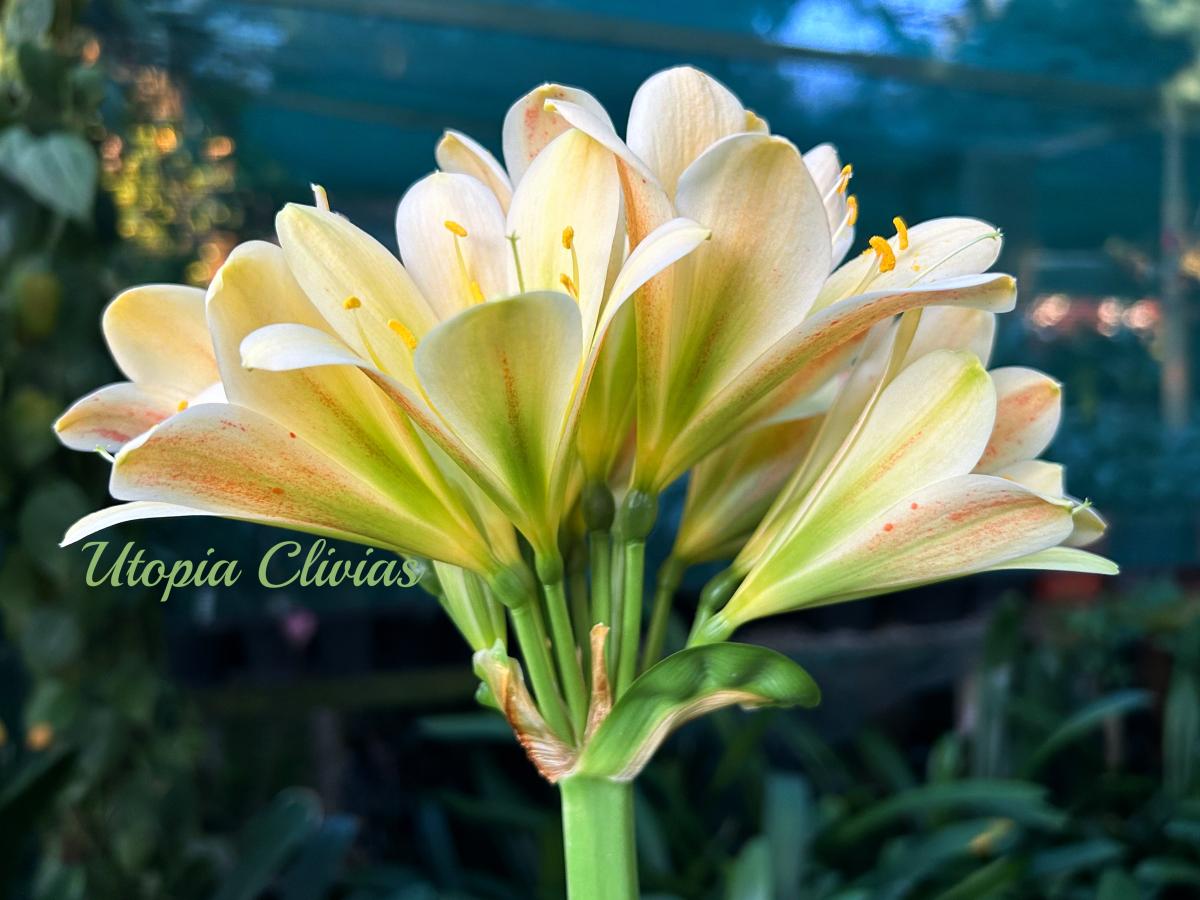
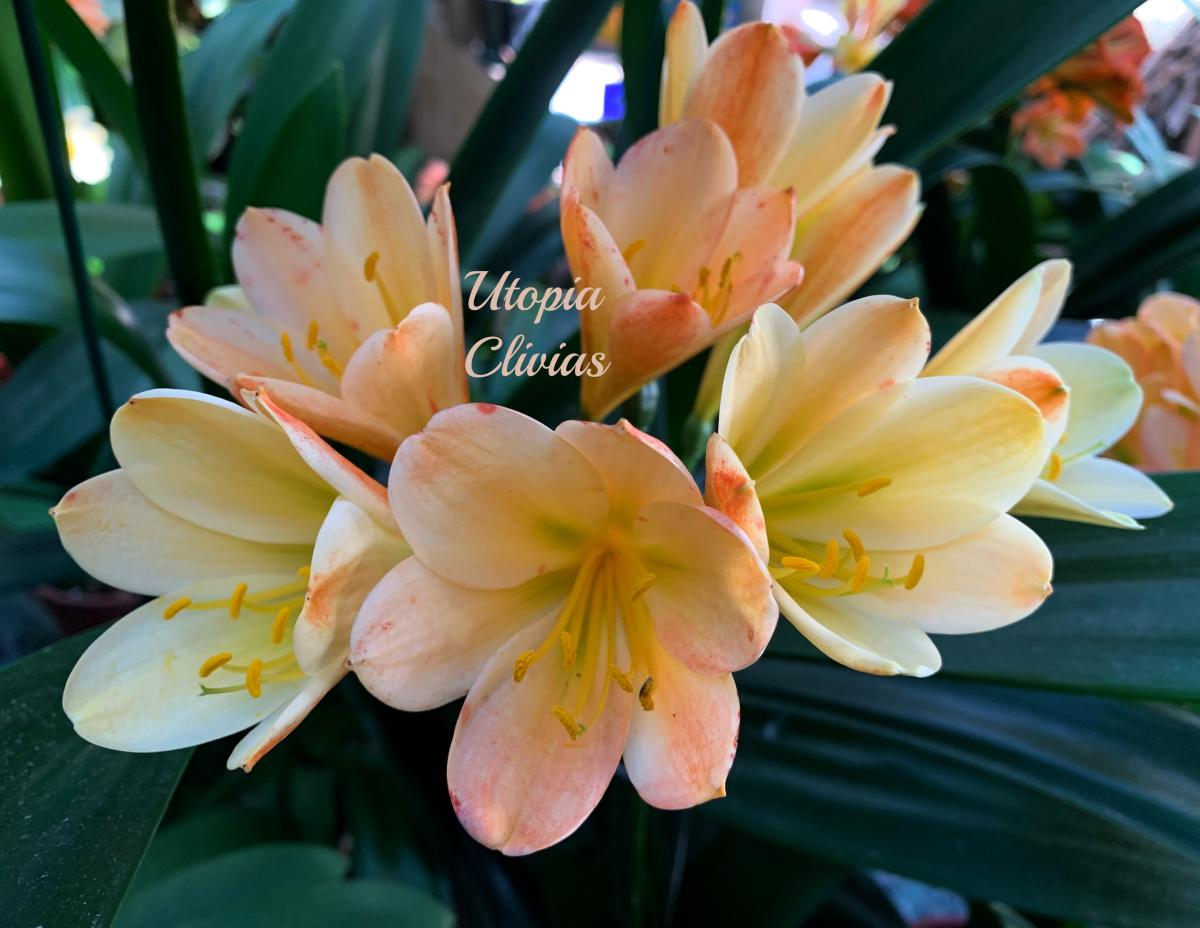
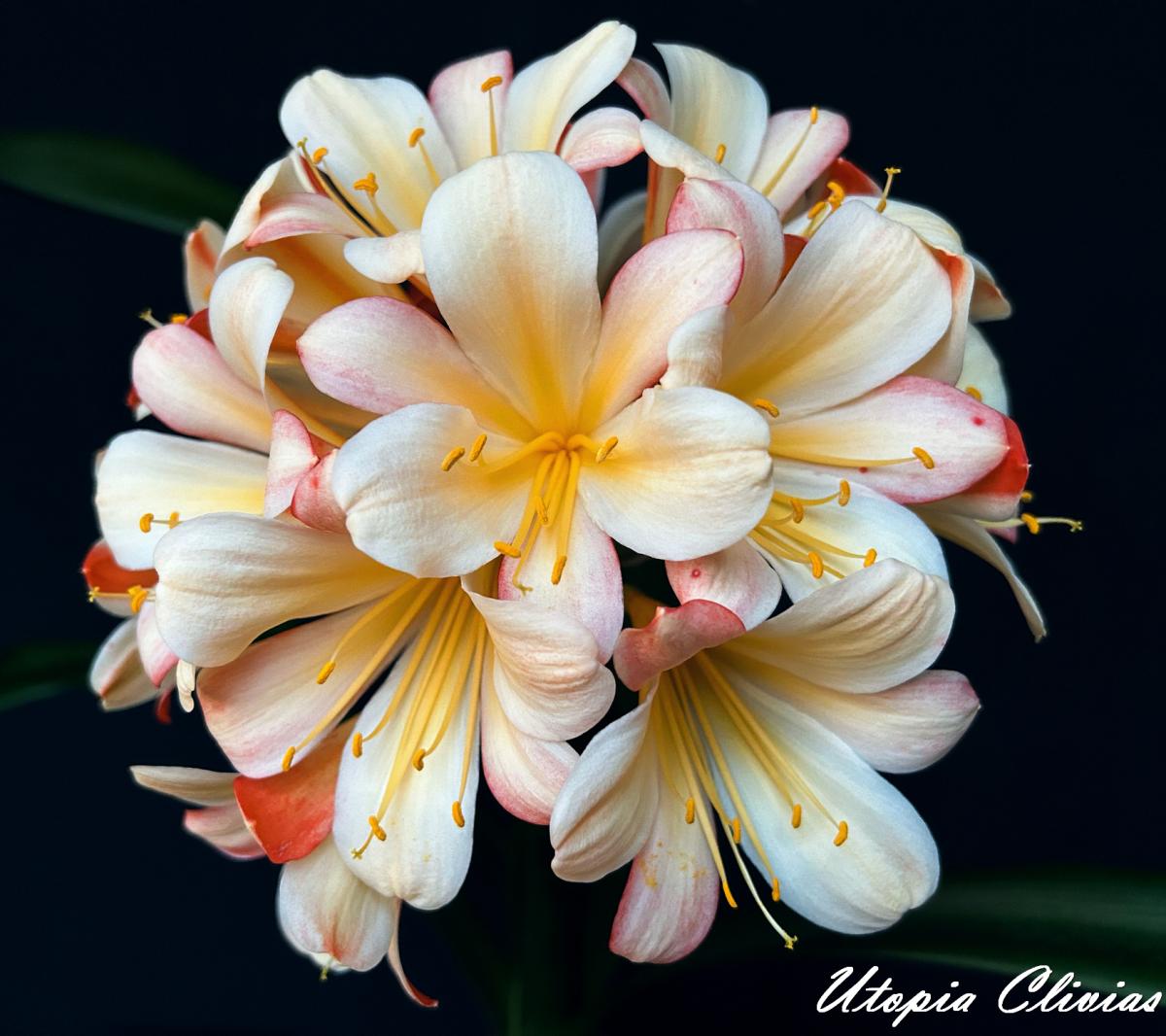
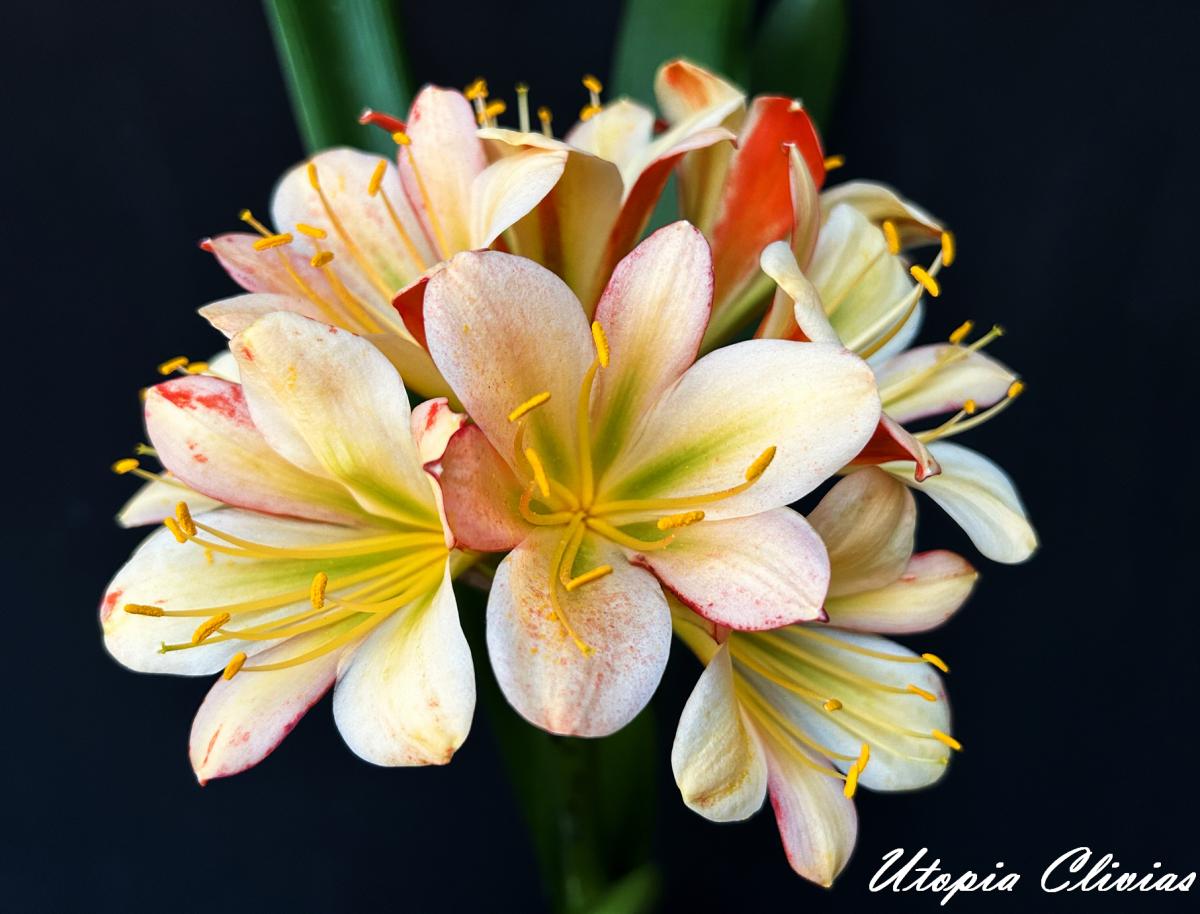
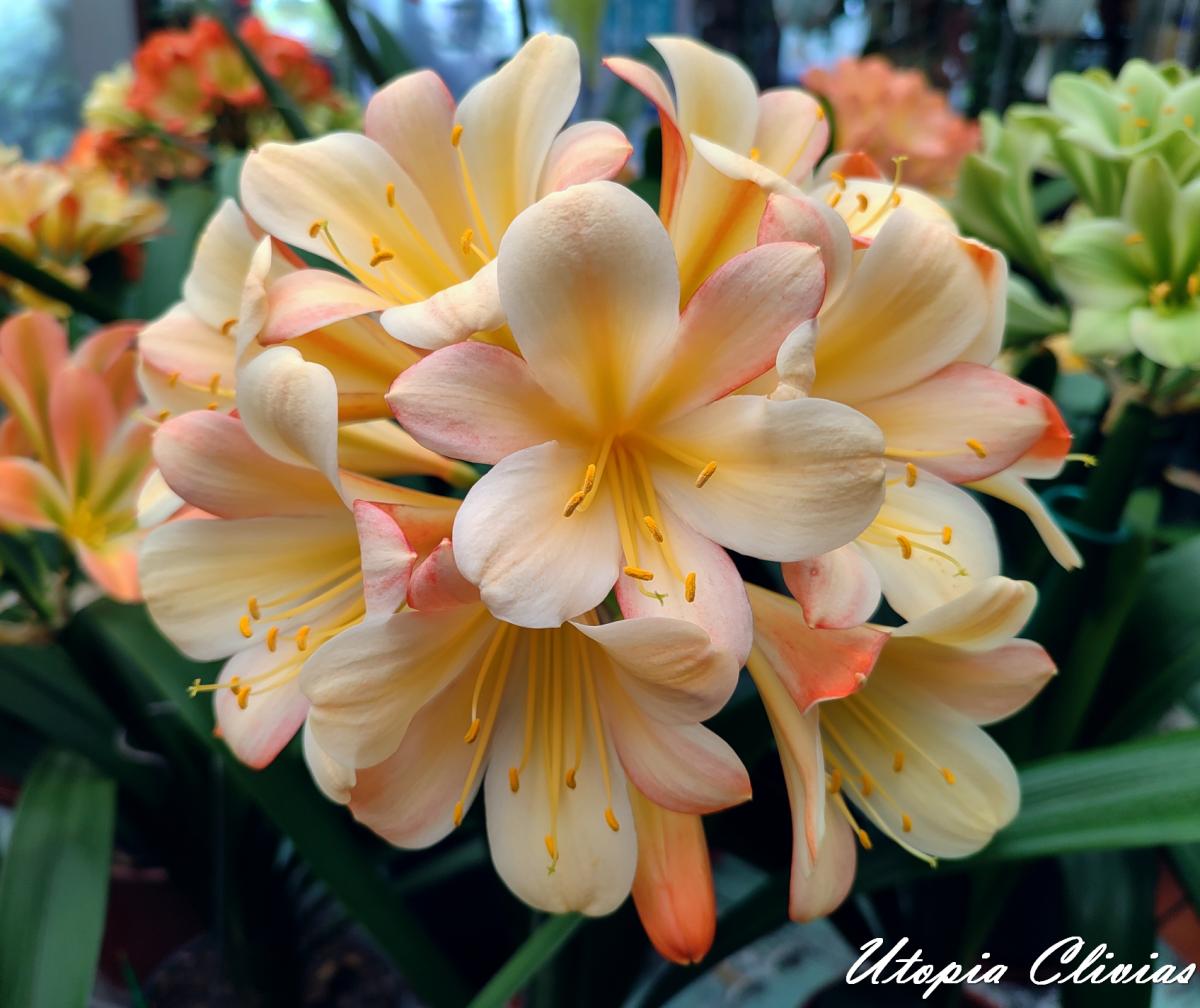
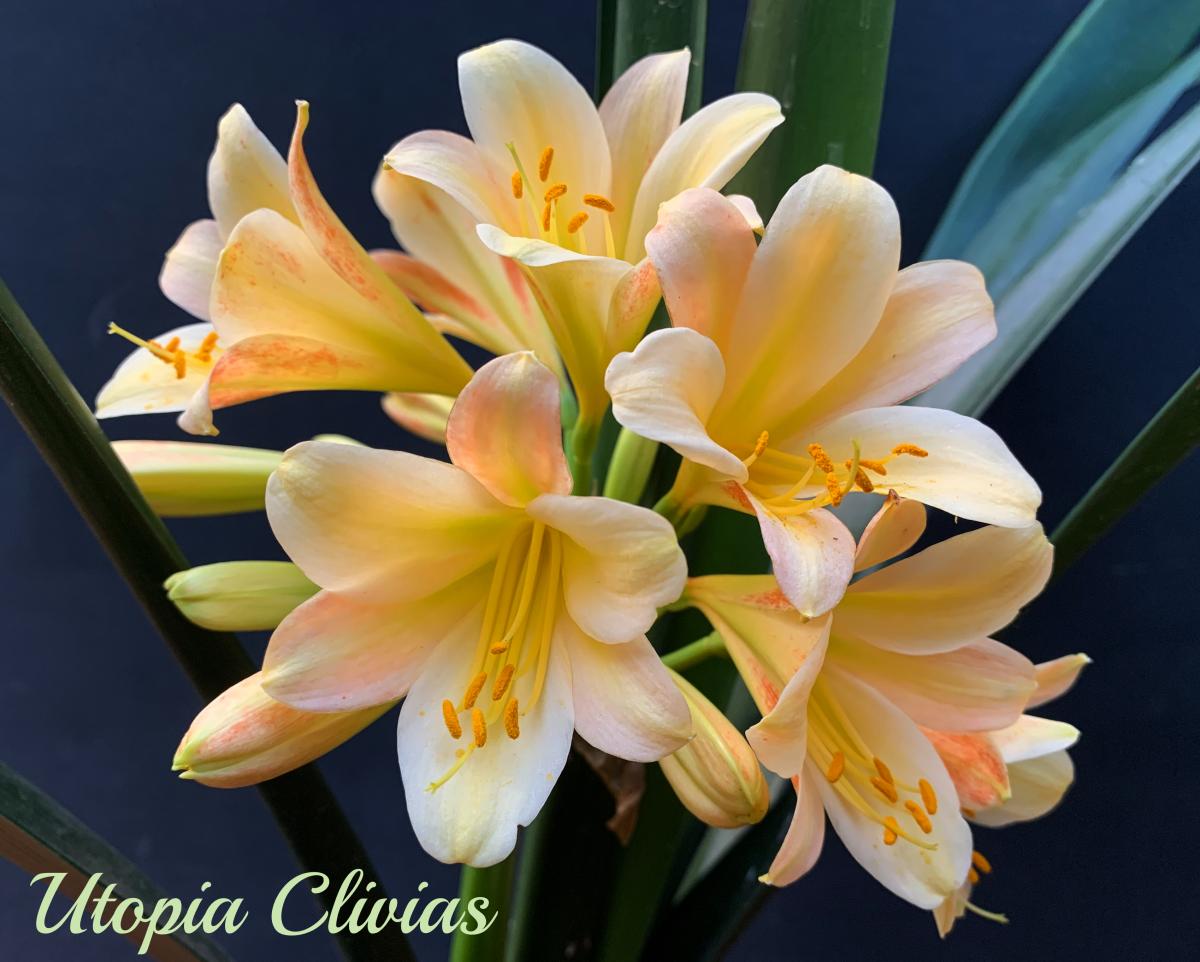
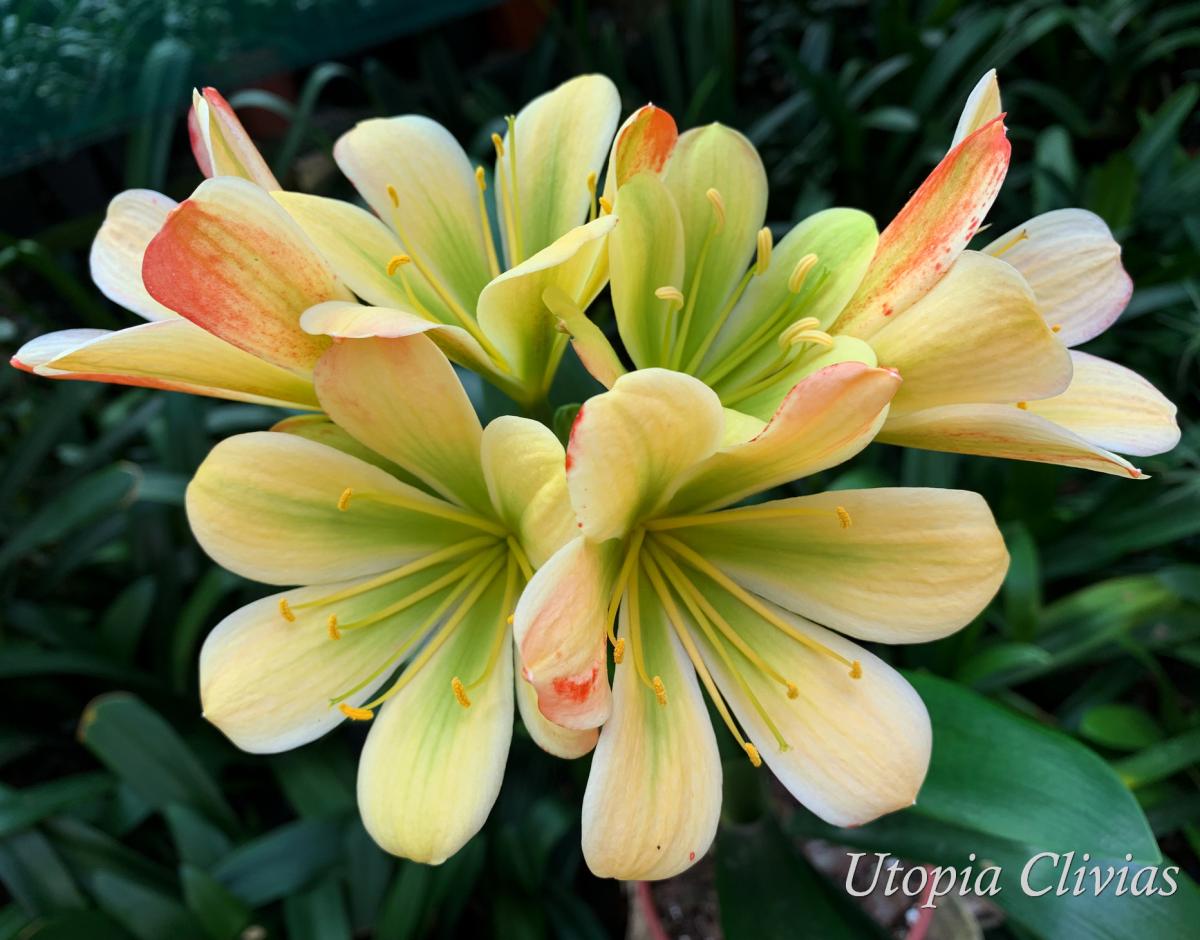
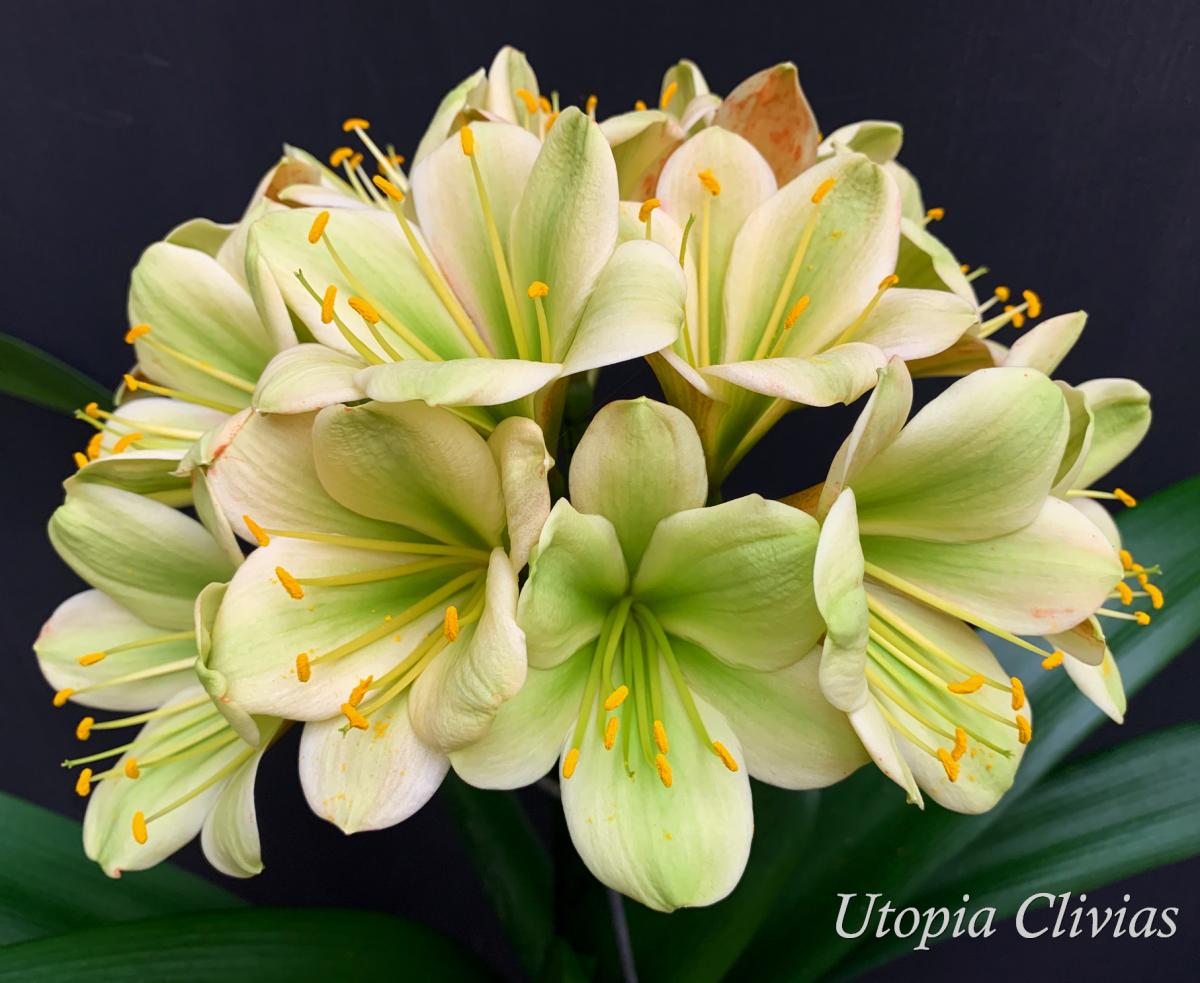
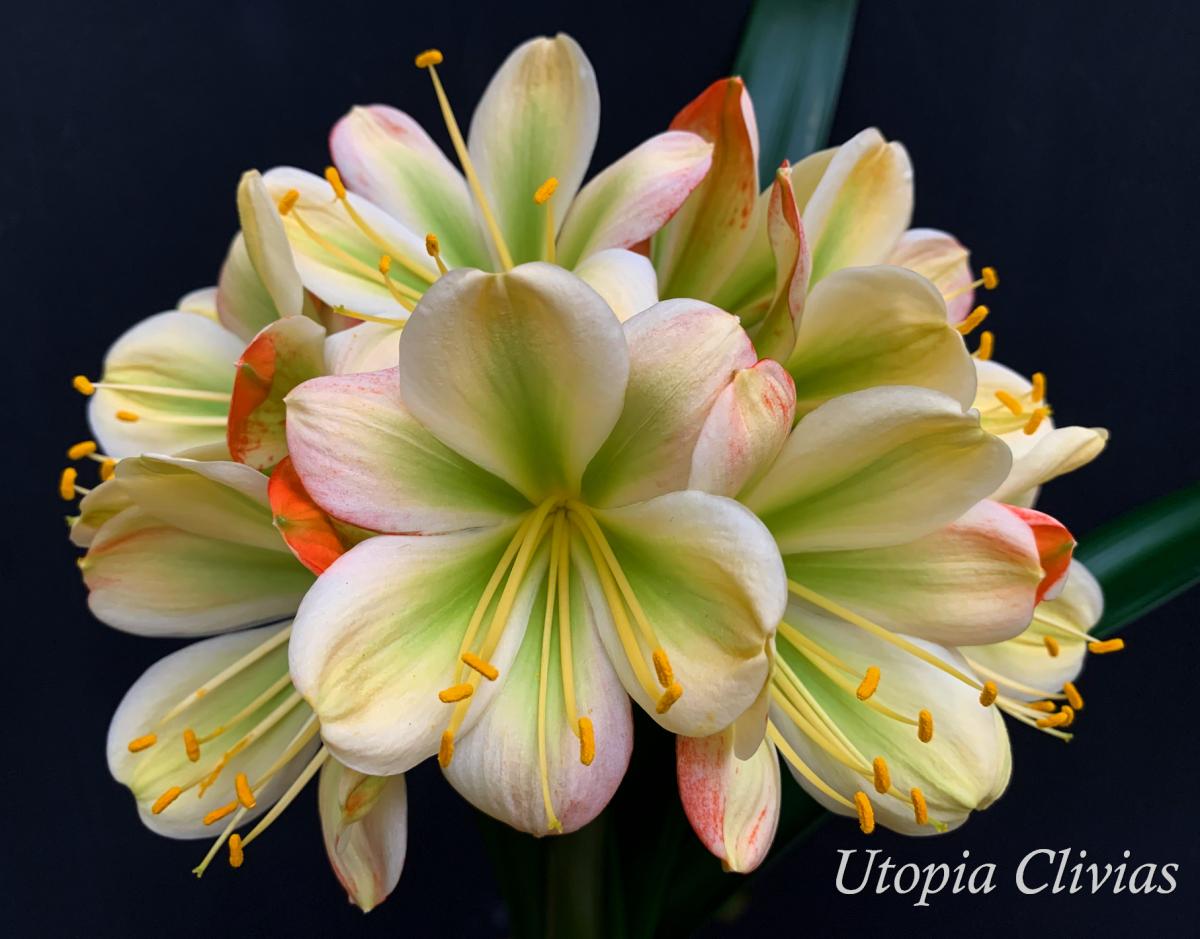
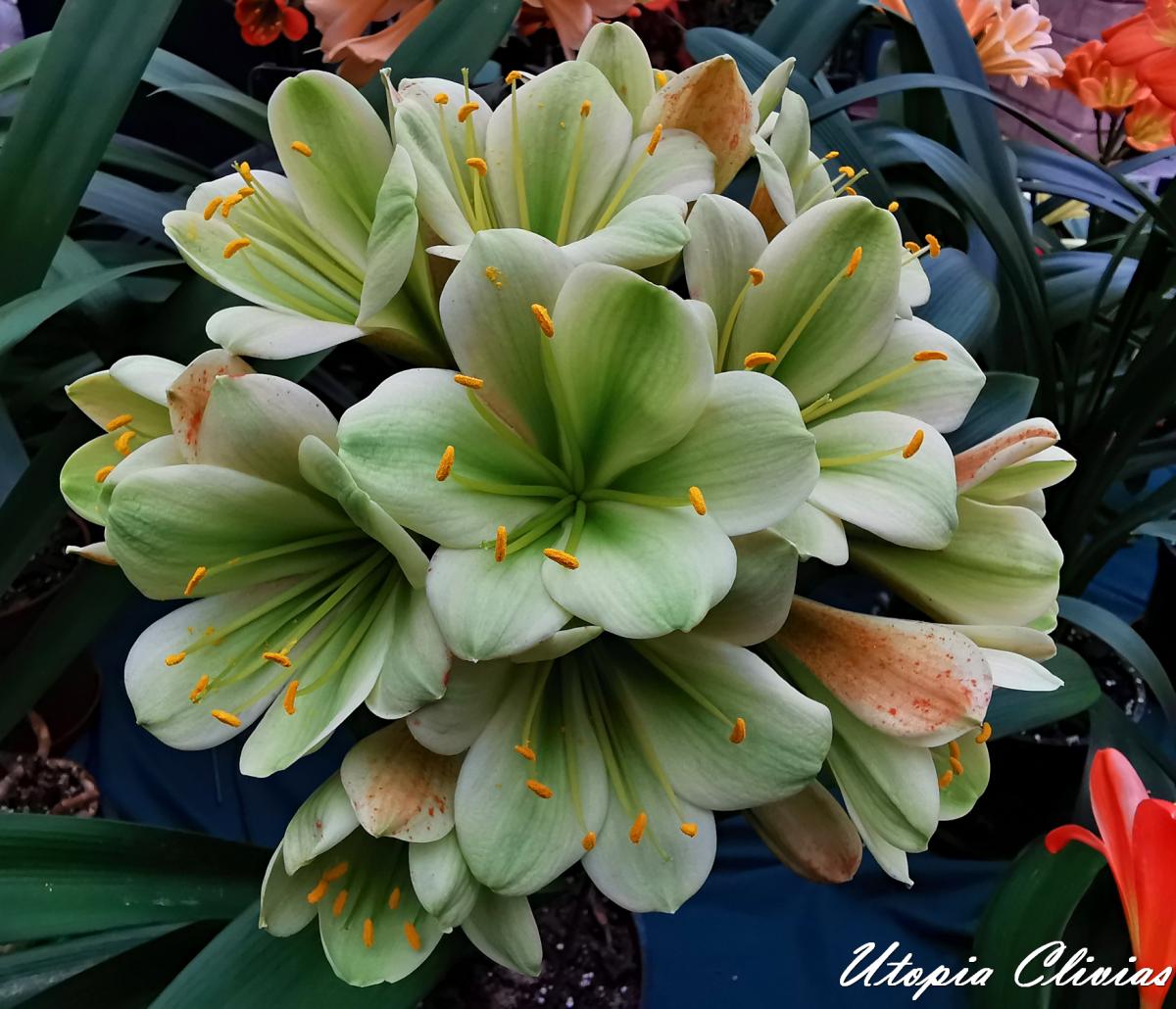
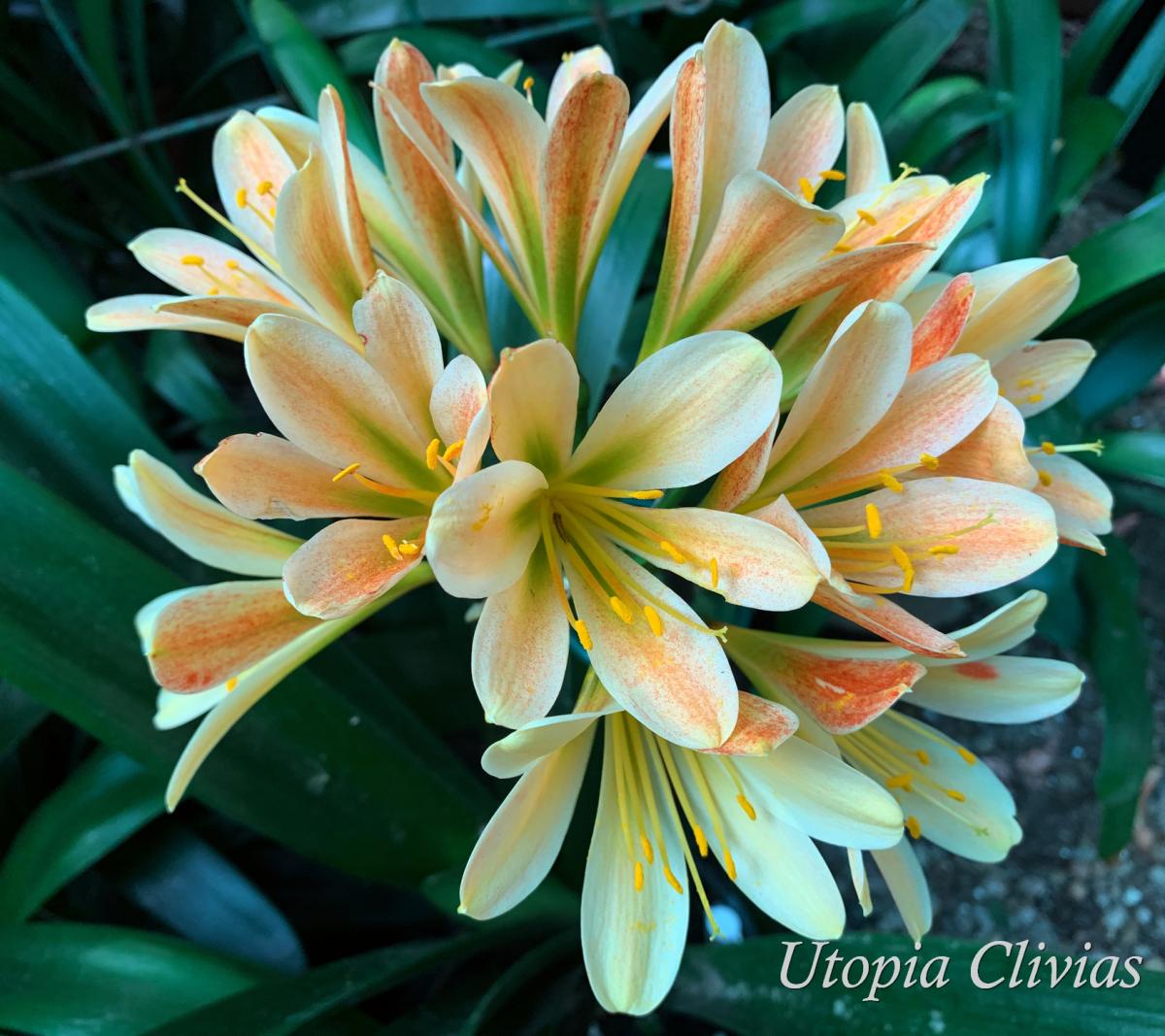
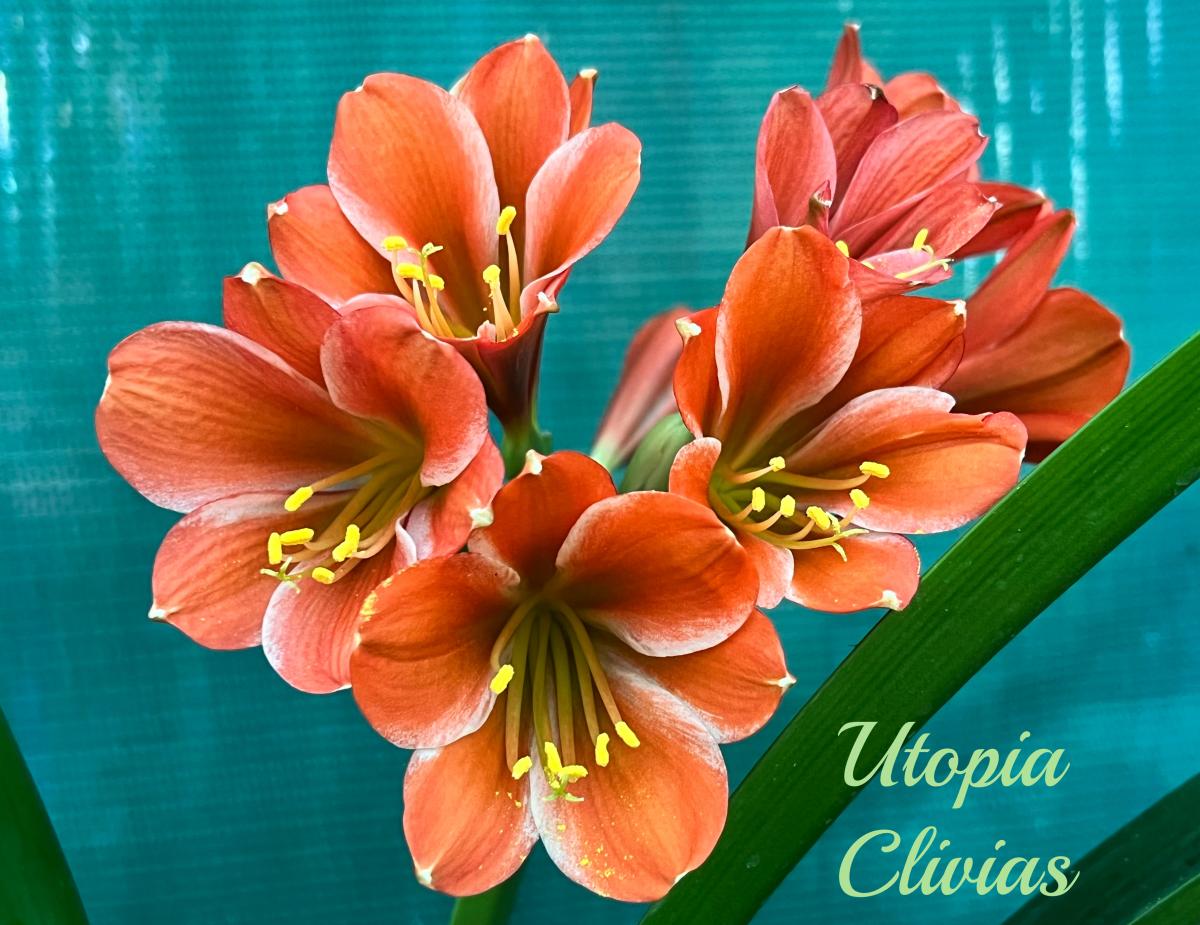
Unusual Clivias occupy a special place in the Clivia world. These plants are characterised by features such as keeled petals, atypical flower shapes, or unusual and often striking colour combinations. Most of these forms arise as natural mutations and are inherently difficult to breed with.
In many cases, the unusual characteristics are not reliably passed on to the next generation. As a result, these plants are primarily regarded as collector’s Clivias, treasured for their rarity rather than used as foundation breeding stock. Their scarcity and uniqueness make them highly desirable, and they are often preserved as individual specimens.
Due to their importance and appeal, there is a dedicated “Unusual or Rare” class at annual Clivia shows. We maintain a strong collection of these rare forms and regularly achieve top awards in this category.
The 777 Series
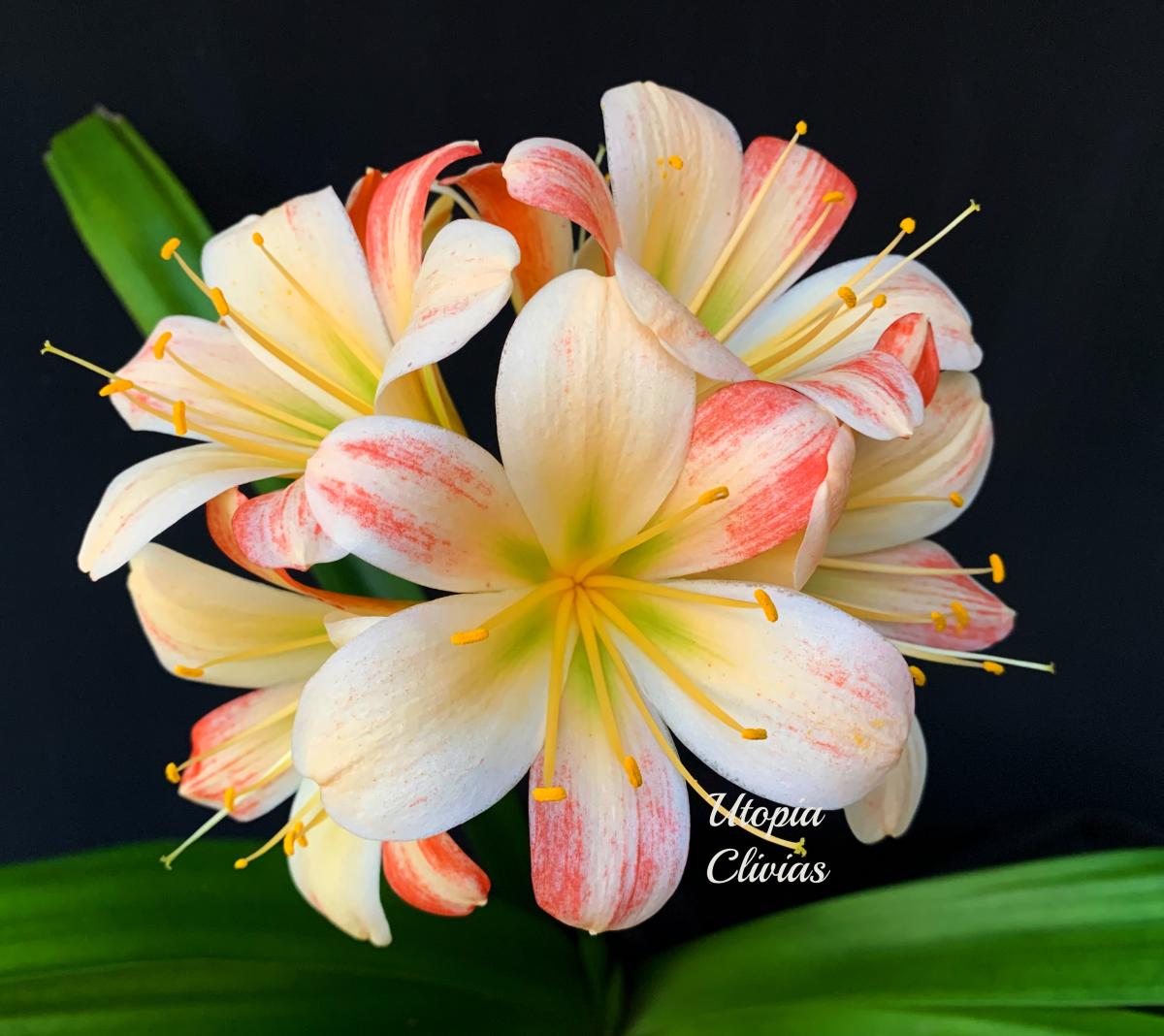
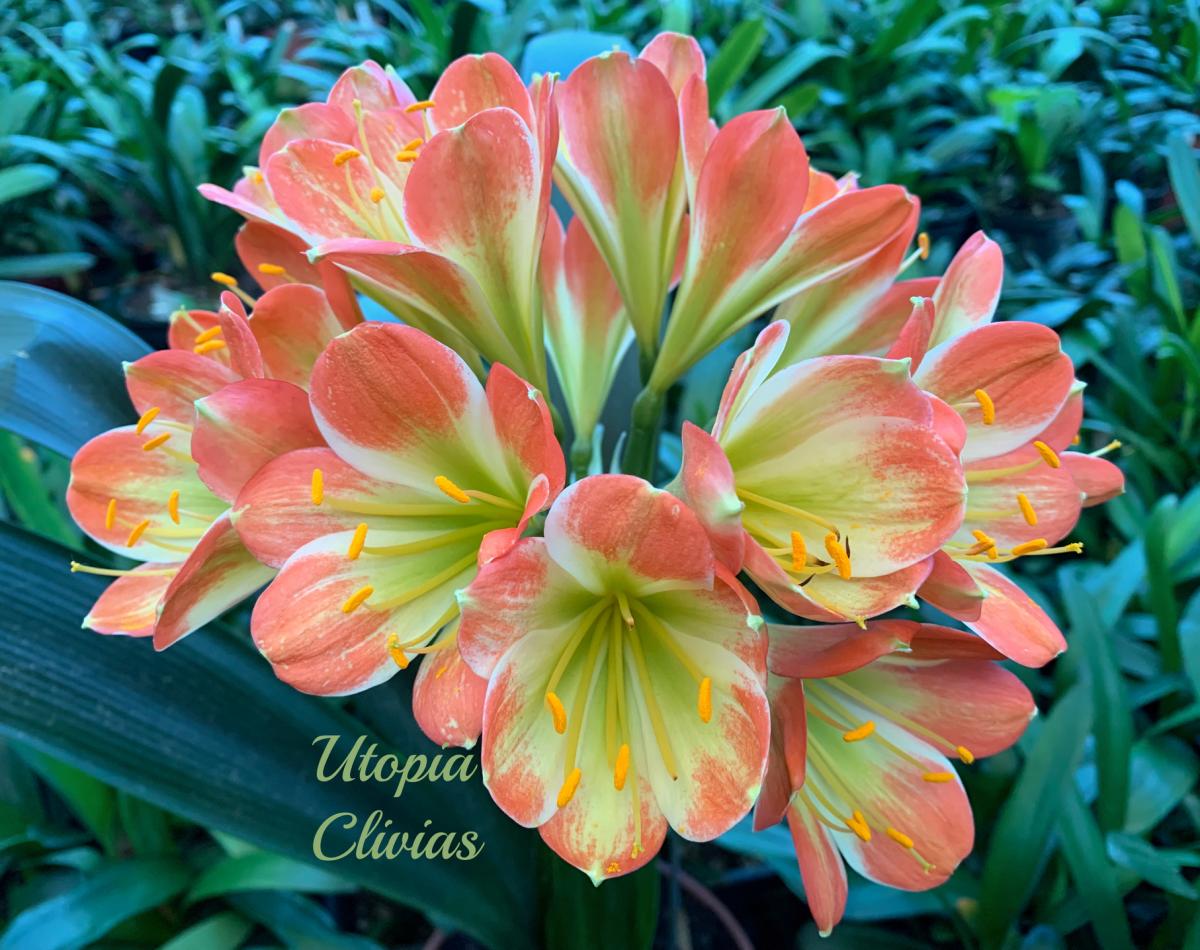
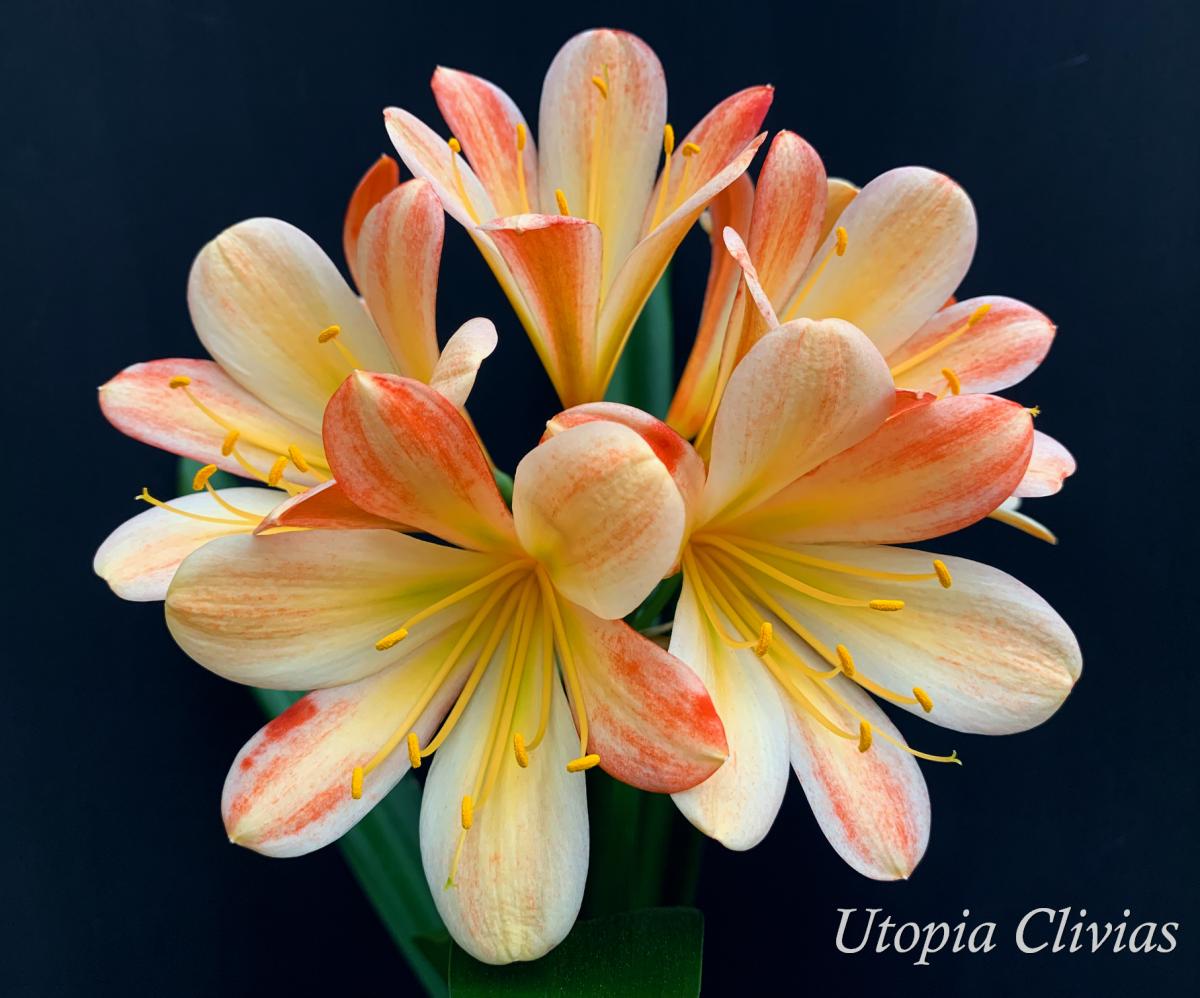
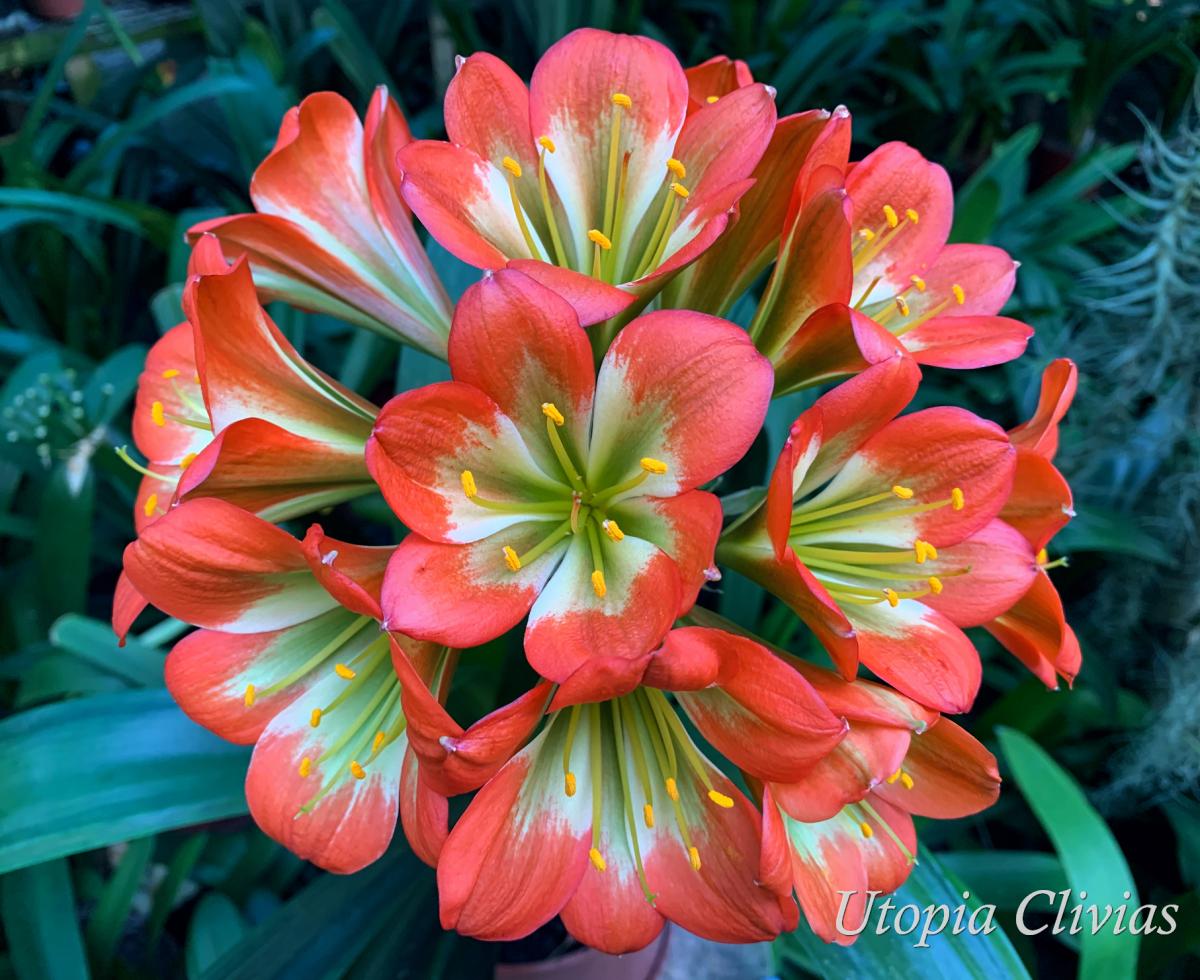
The 777 series represents one of the most distinctive groups within the unusual Clivia category. These plants were originally bred by Pikkie Strumpher of South Africa and are renowned for their extraordinary colours, shading, and patterning.
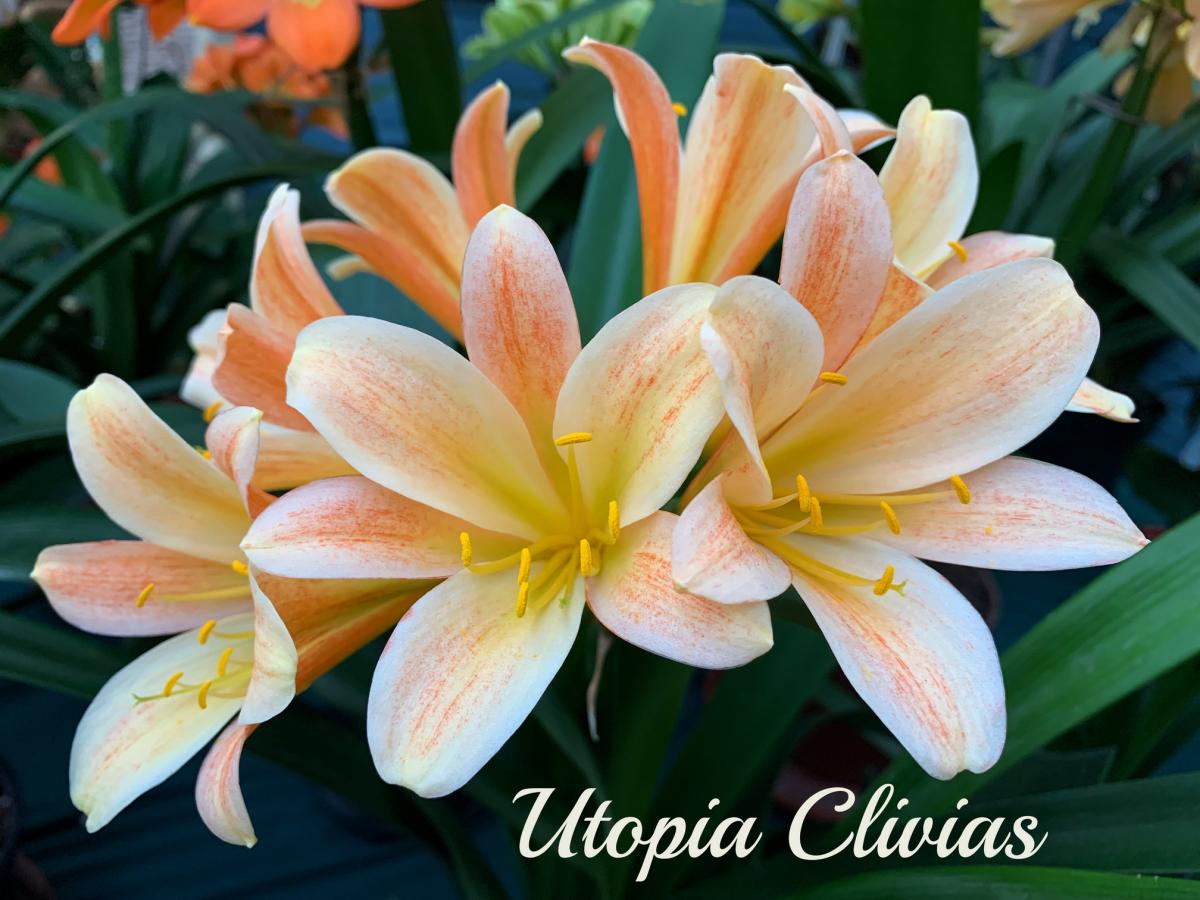
We have had the privilege of breeding with 777 plants for the past seven years, and their performance has been exceptional. When crossed among themselves, 777 Clivias breed true, consistently reproducing their unique colour traits. When crossed with other splash-type Clivias, they tend to produce similar splash-patterned offspring.
Many of our early 777 crosses were experimental in nature, and several are still maturing. We eagerly await the flowering of these seedlings, as they continue to expand the boundaries of colour expression in Clivia breeding.
Modern Trends in Unusual Clivia Breeding
The latest and most dynamic trends in Clivia breeding include:
Versi colours
Multi-coloured flowers
Tri-coloured forms
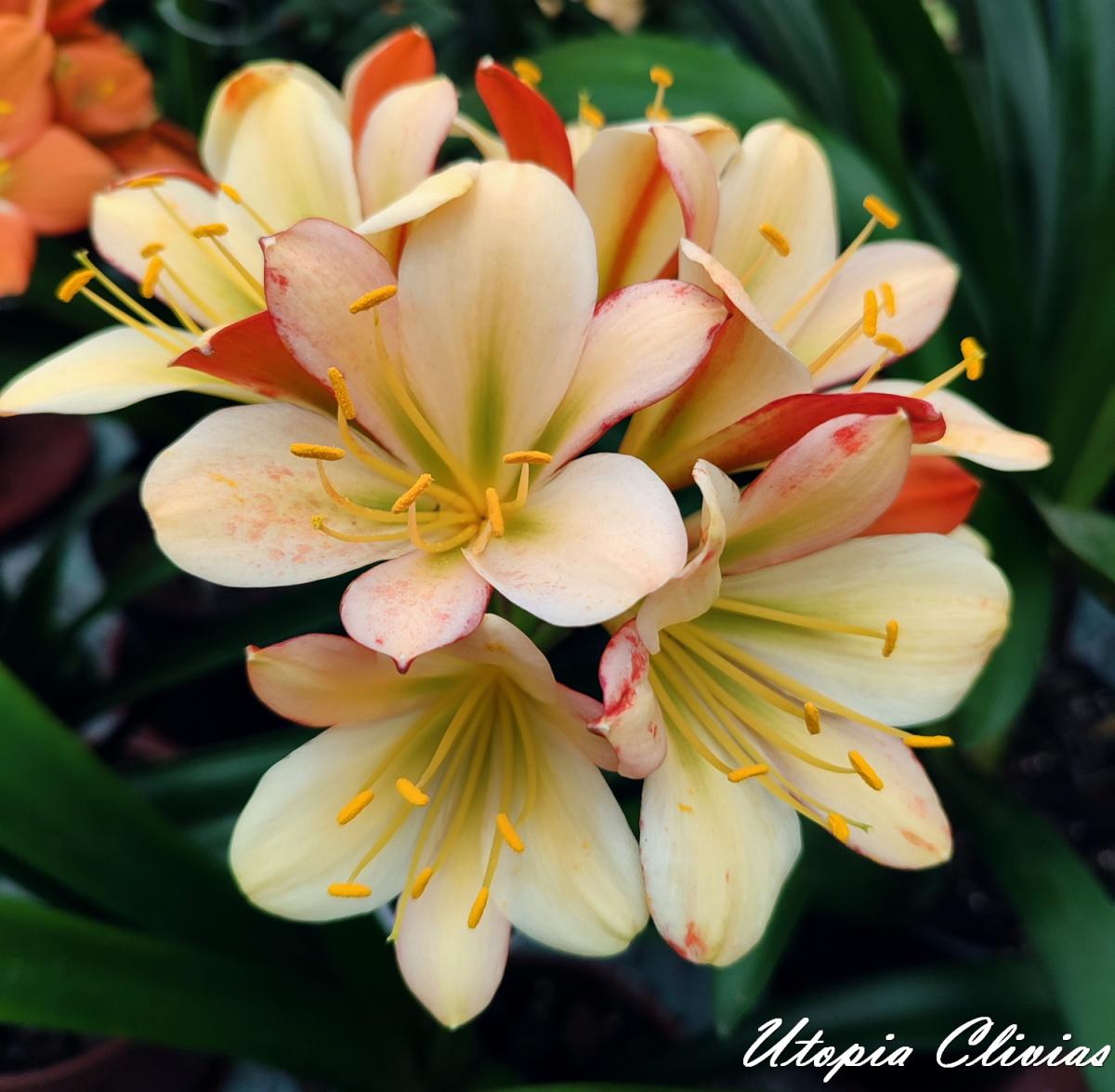
Splash-patterned Clivias
These types have increased dramatically in popularity and refinement in recent years. So much so, that many now have their own dedicated categories at shows and in breeding discussions.
While not all unusual Clivias are genetically stable, their contribution to the diversity and visual impact of the genus is undeniable. They represent the creative edge of modern Clivia breeding—where rarity, novelty, and aesthetic experimentation converge.
Conclusion
Unusual Clivias are the jewels of any serious collection. Though often challenging to reproduce consistently, they reward growers with extraordinary beauty and exclusivity. Whether preserved as collector’s items or selectively incorporated into advanced breeding programmes, these plants continue to shape the evolving landscape of Clivia cultivation.