Interspecific Clivia Breeding
By Carrie Krüger – Utopia Clivias
Explore the exciting world of interspecific Clivia breeding and learn how unique species crosses are producing vibrant colours, stronger plants, and longer flowering periods.
At Utopia Clivias, we believe that interspecific breeding represents the future of Clivia development. Often referred to as the “new age” of Clivia breeding, this approach involves crossing different Clivia species to unlock new flower colours, improved plant strength, and extended blooming seasons.
Why We Breed Interspecific Clivias
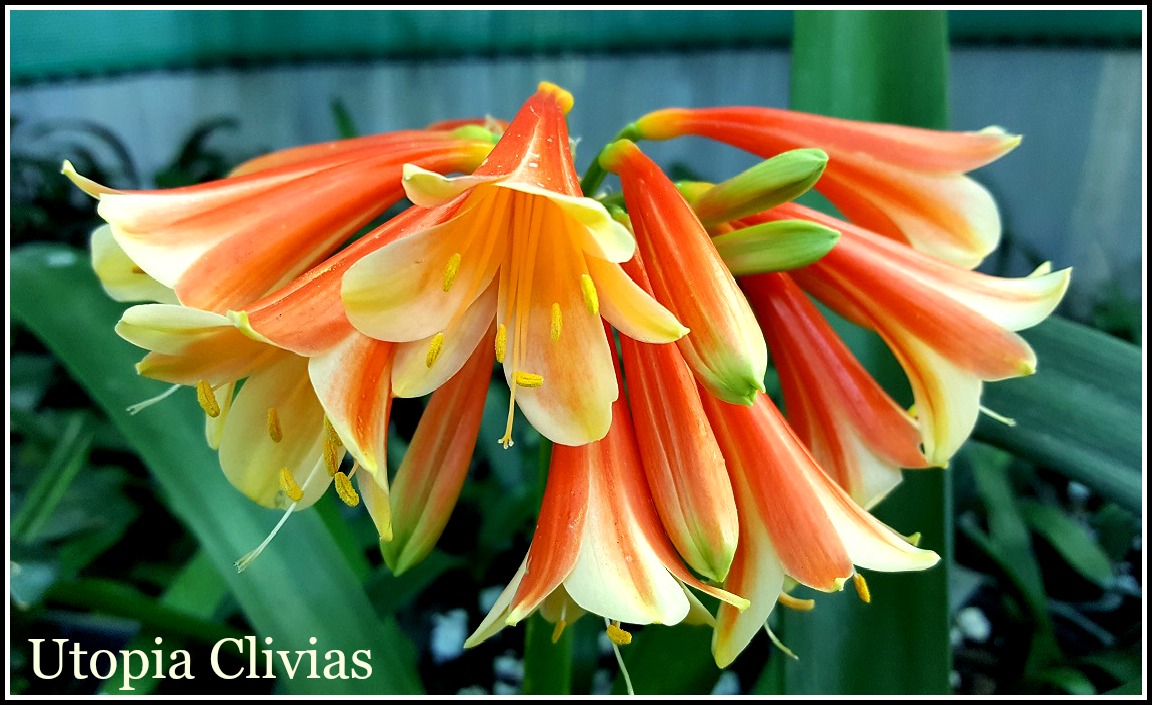
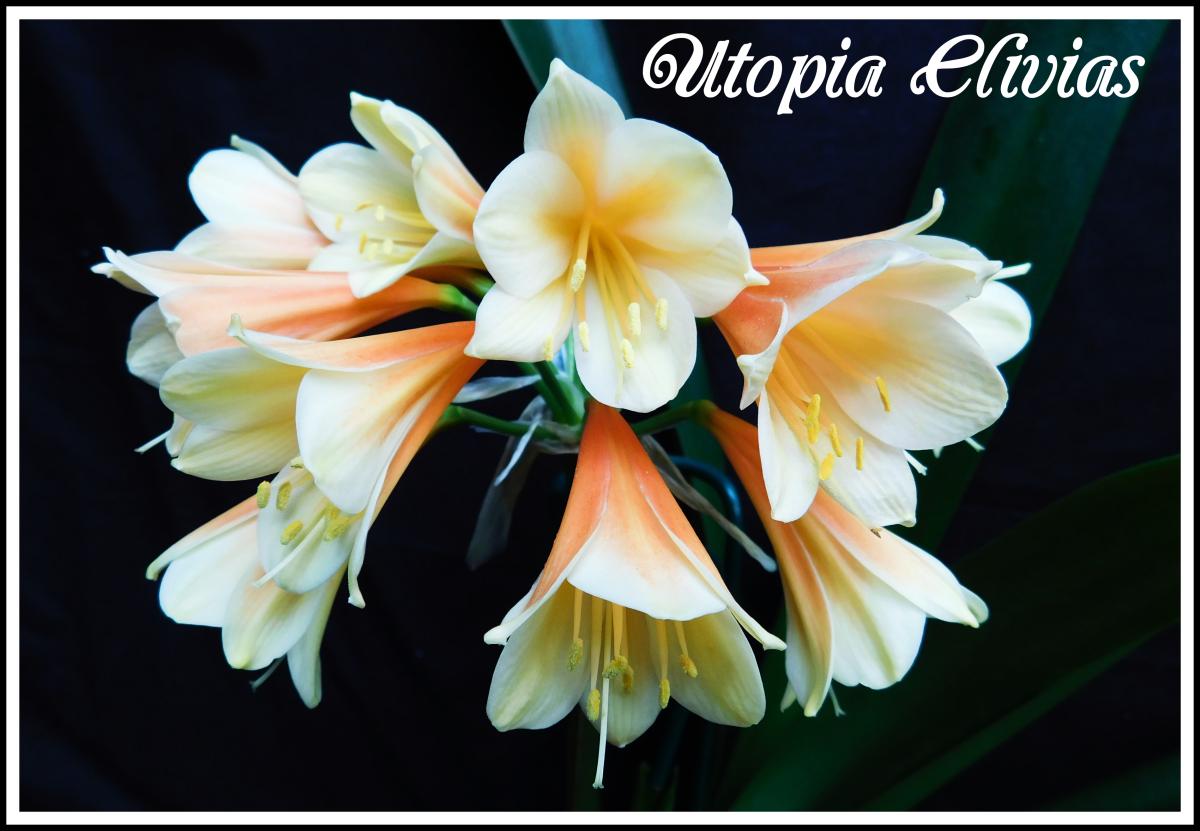
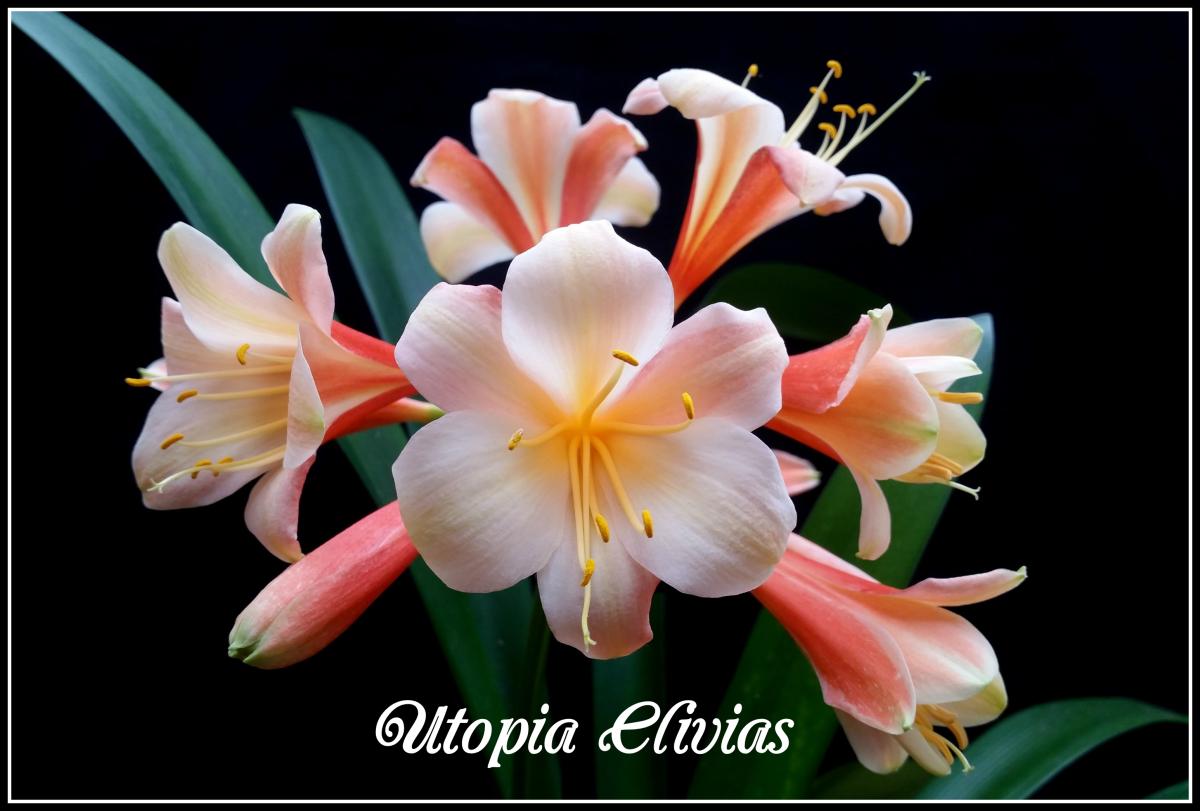
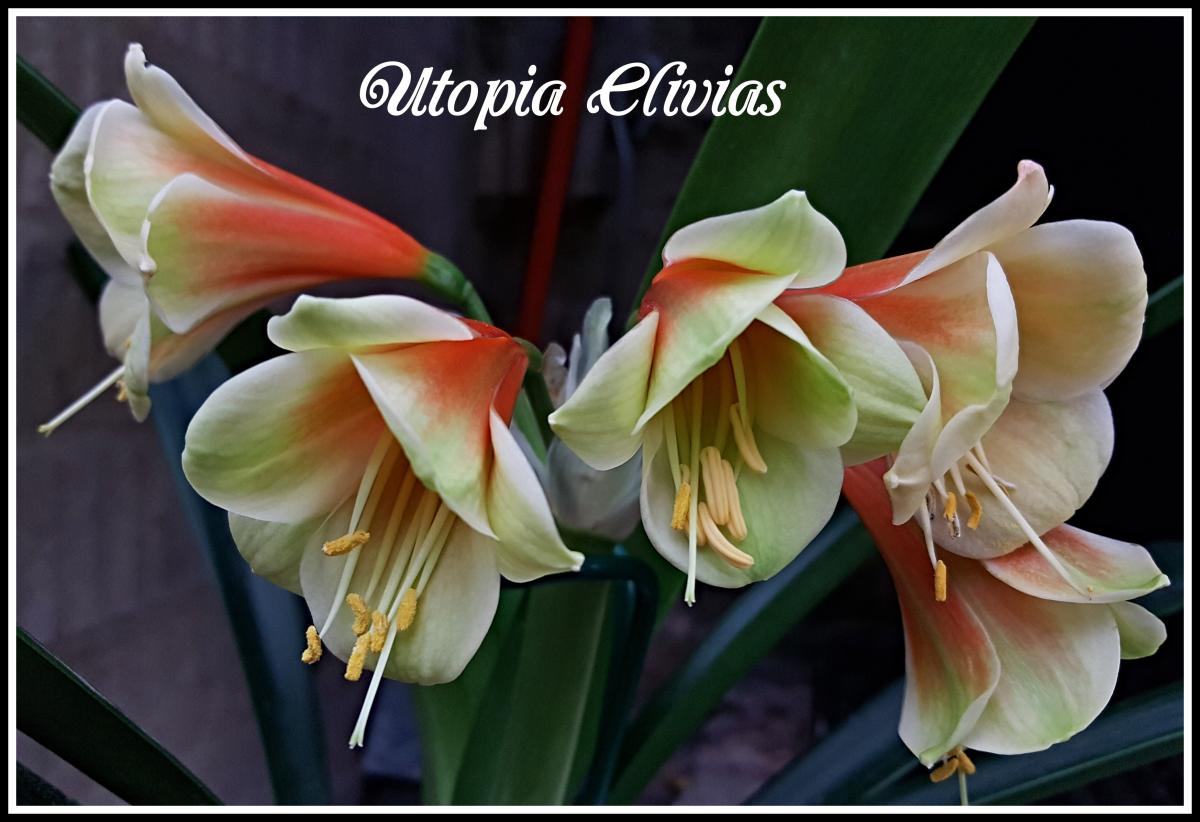
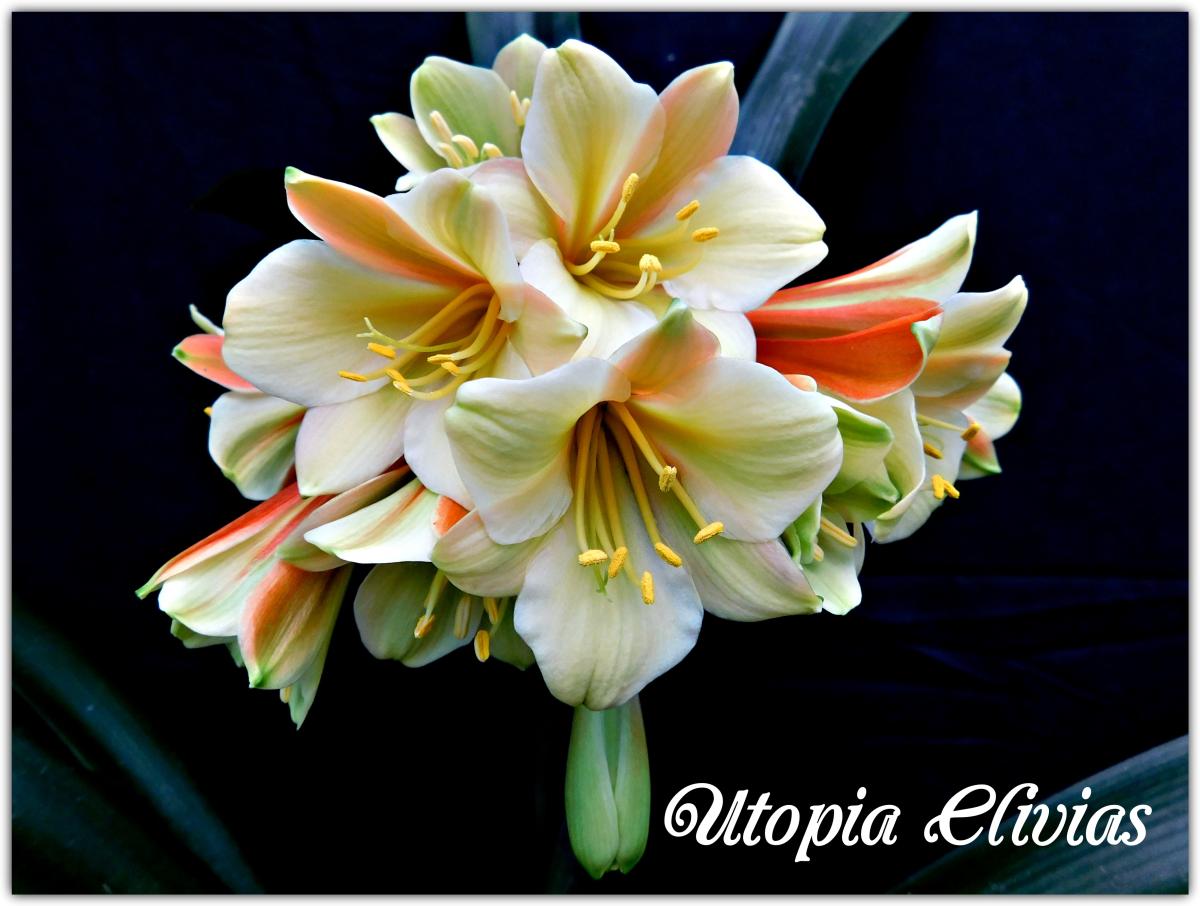
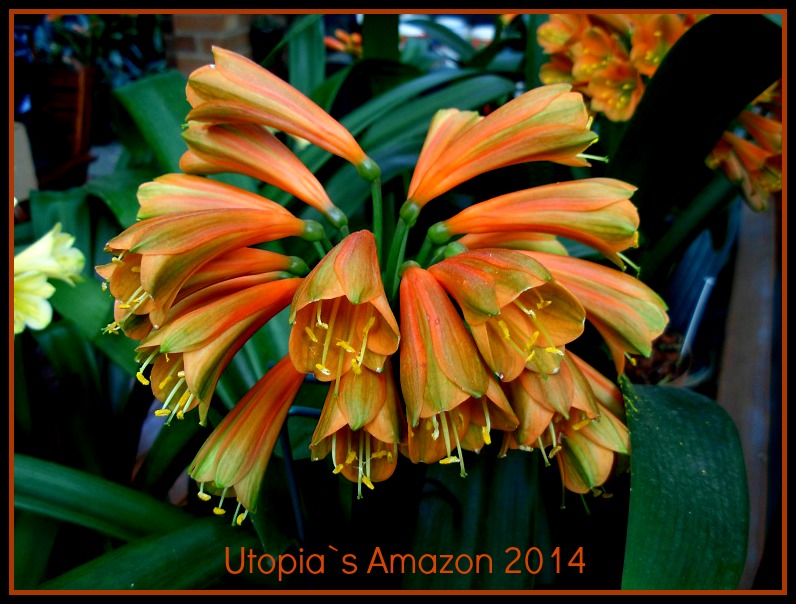
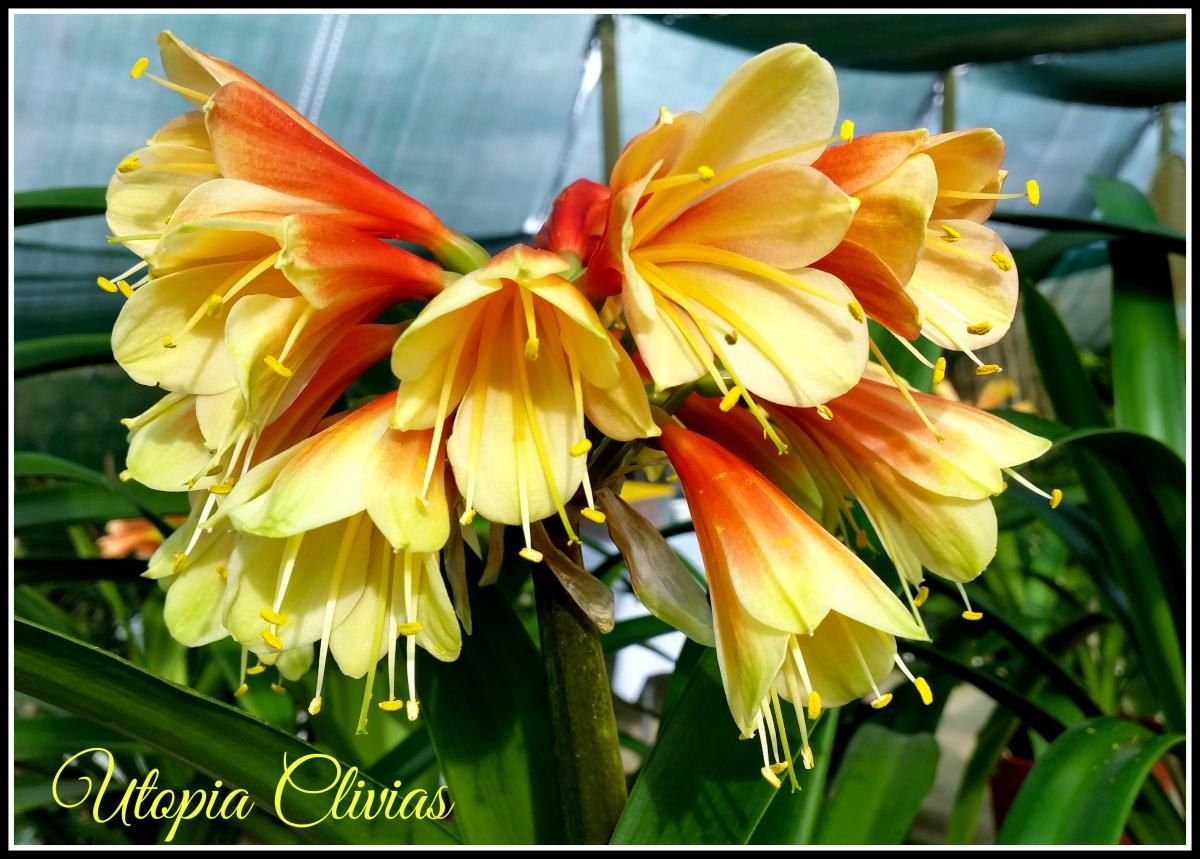
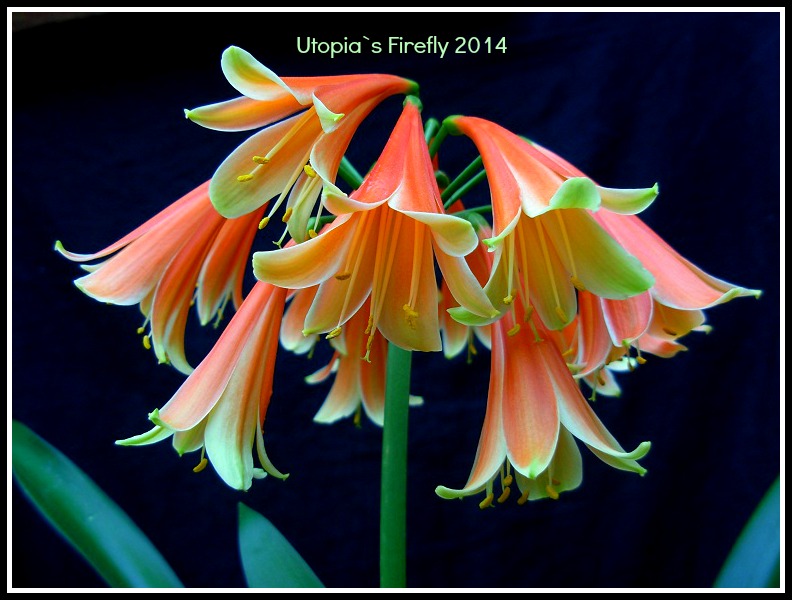
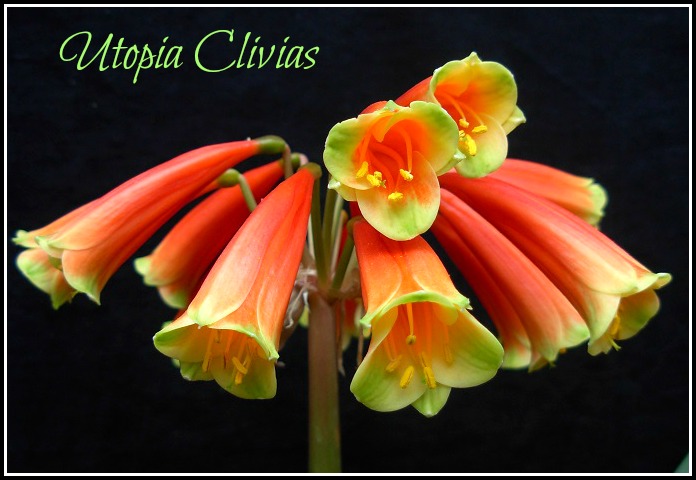
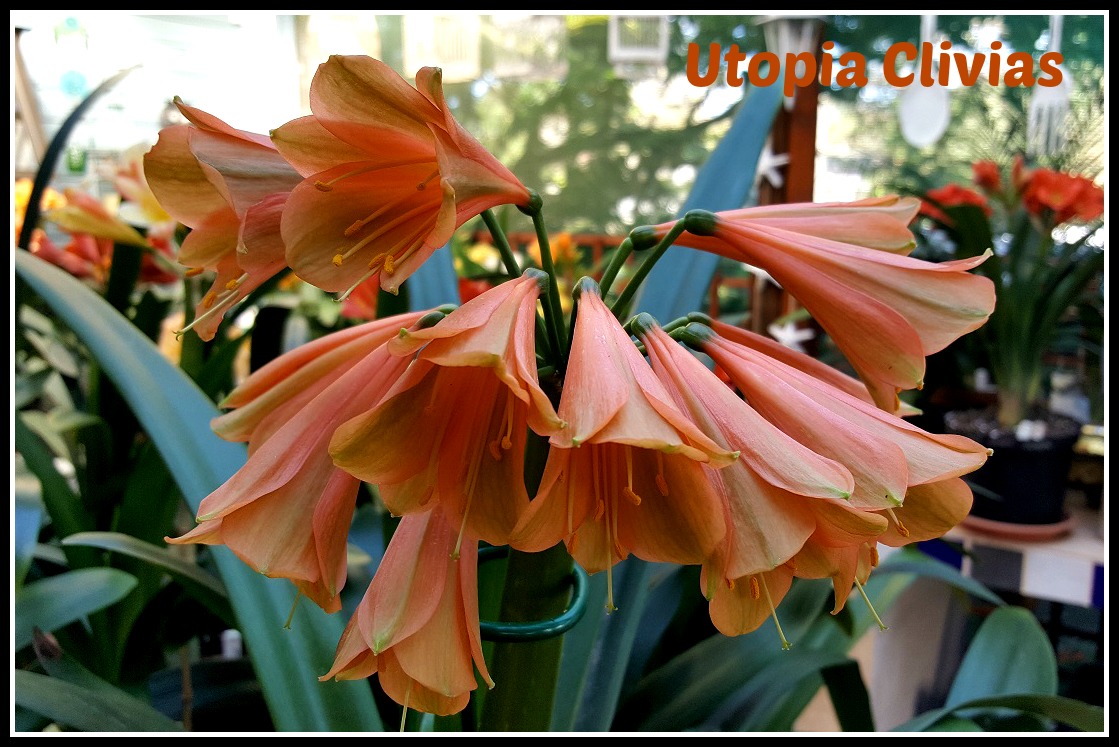
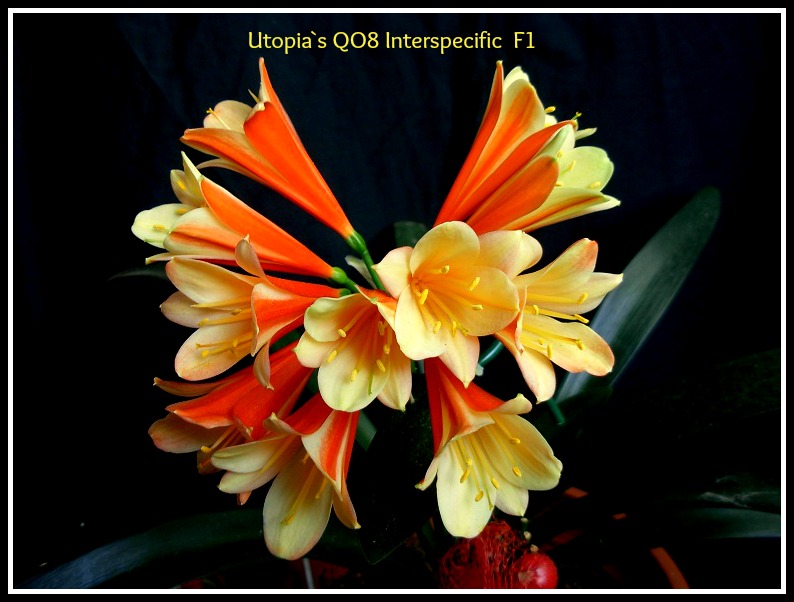
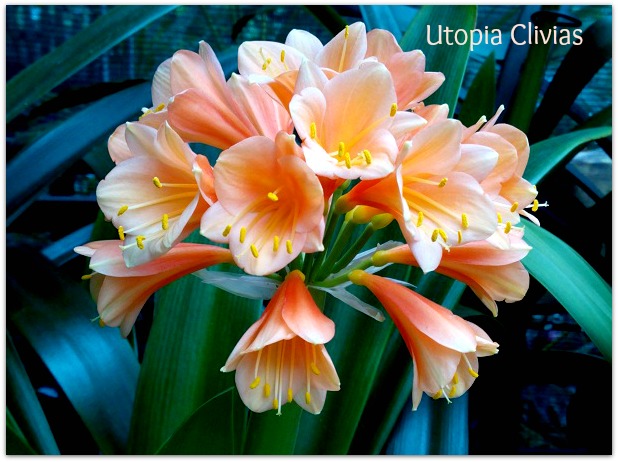
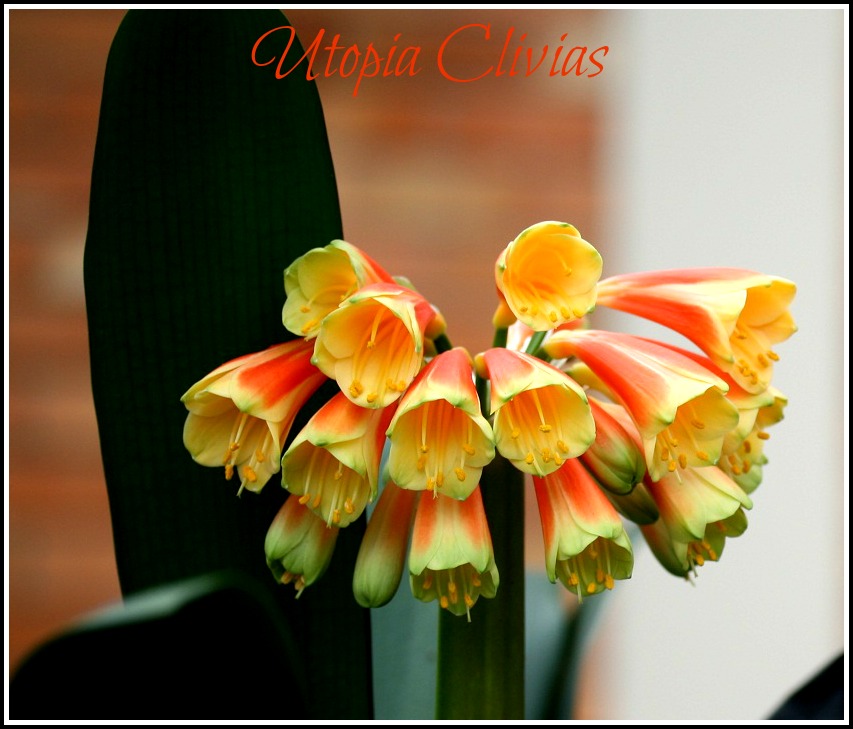
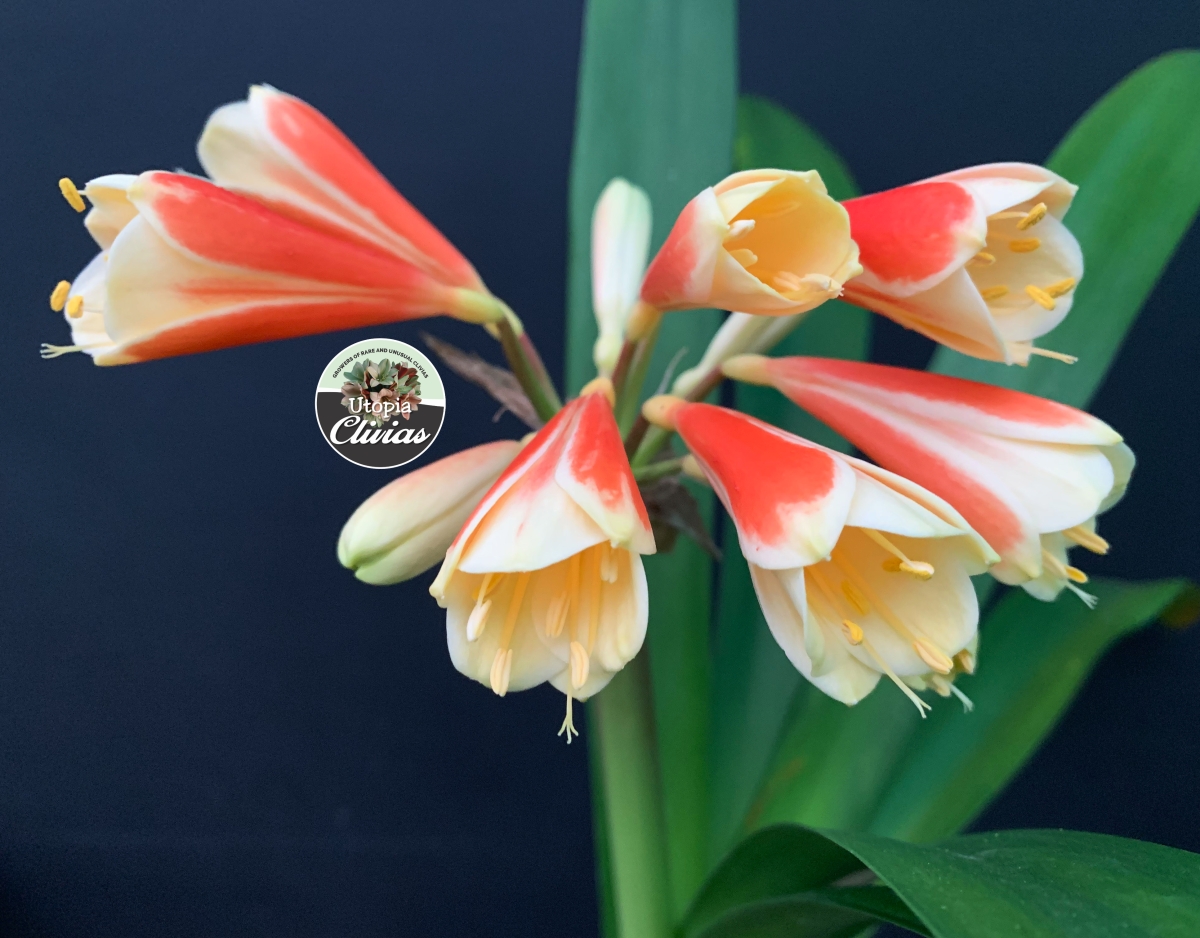
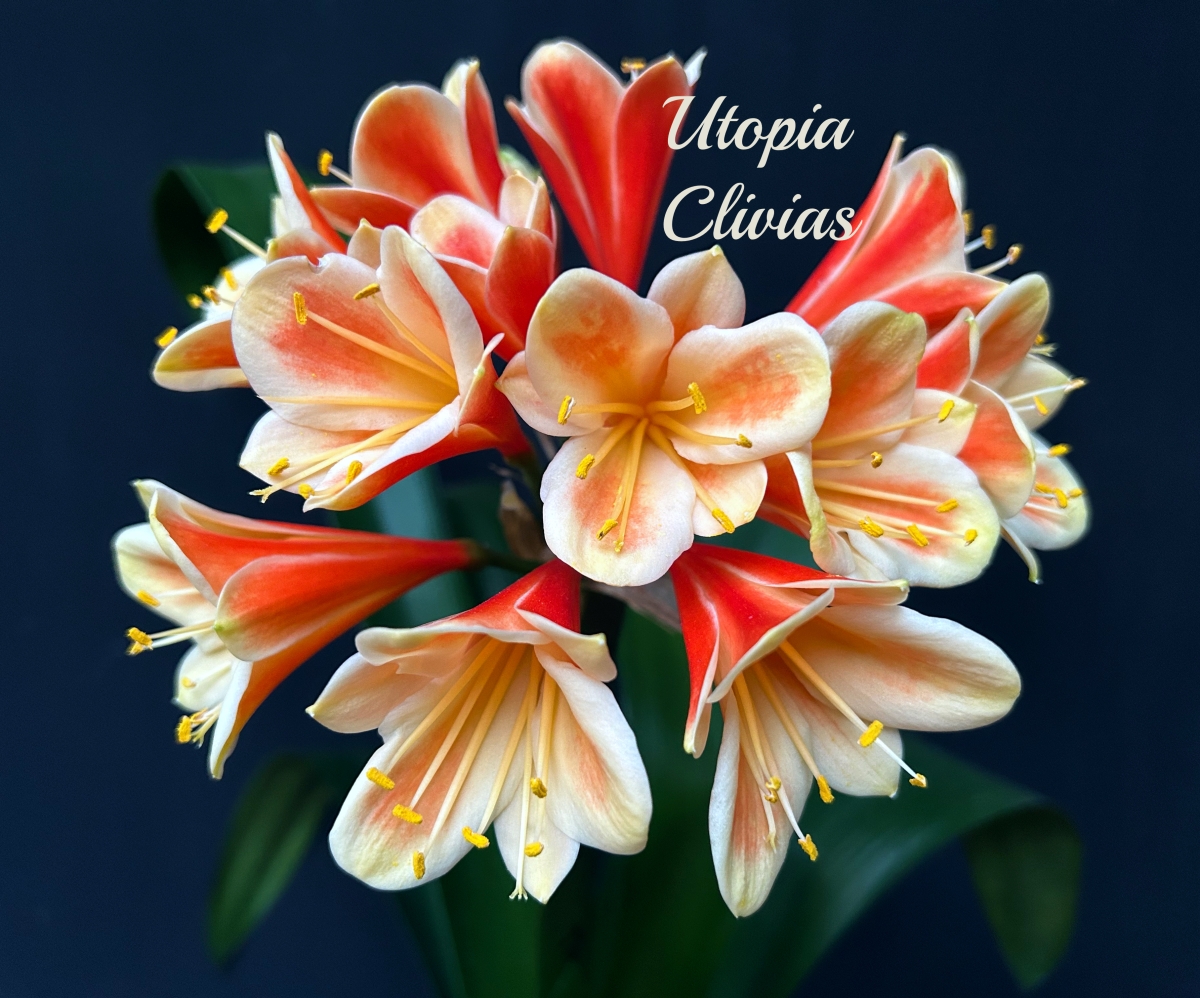
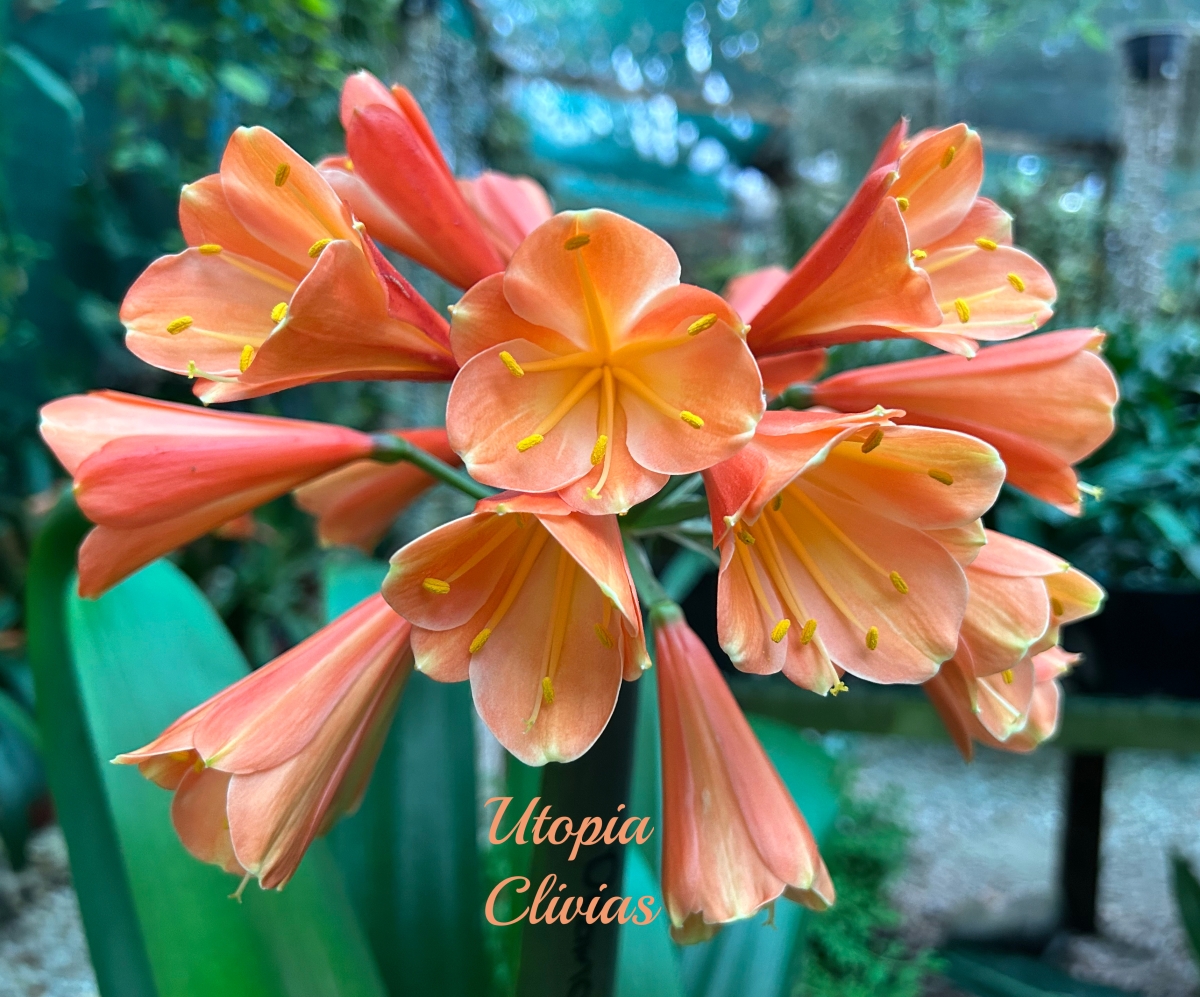
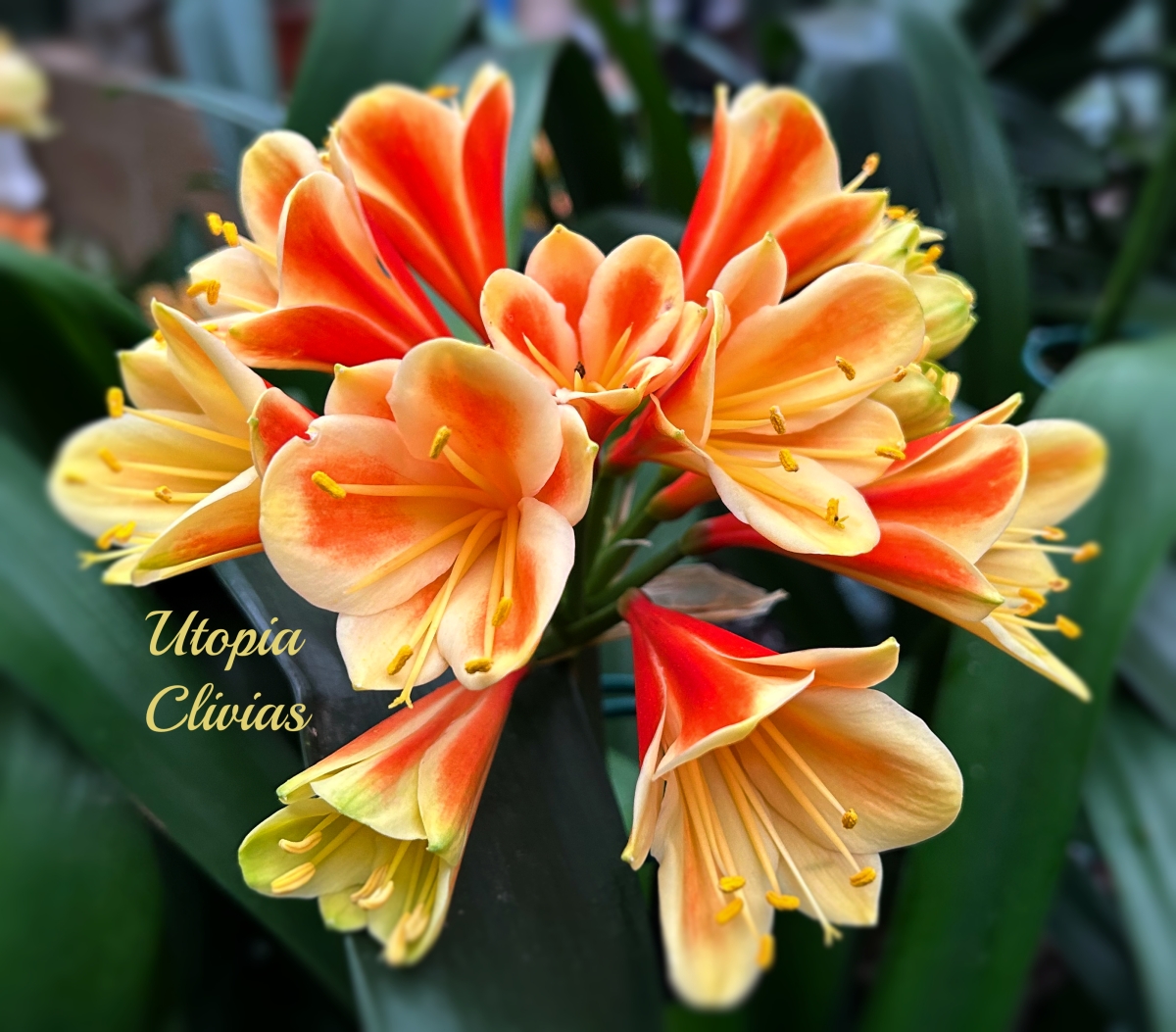
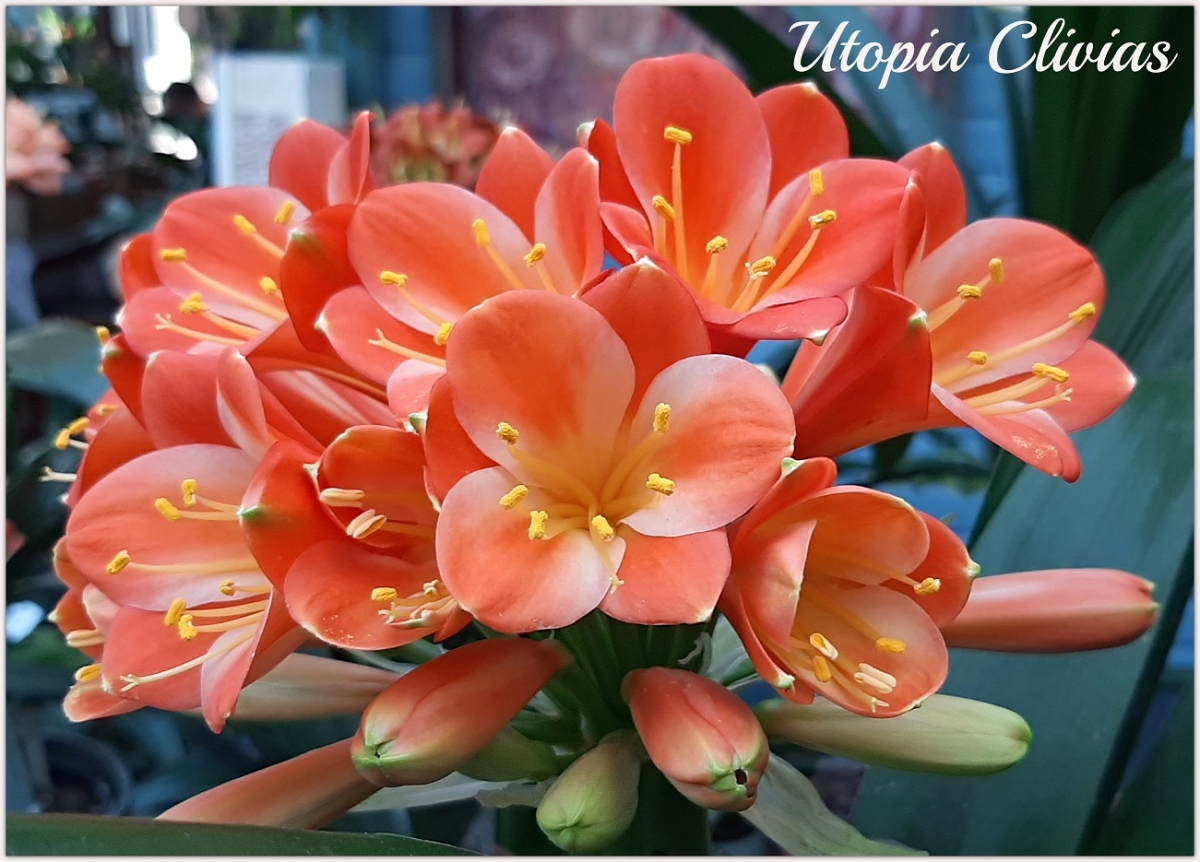
Most of the new and unusual colours in Clivias—from soft peach and blush pink to deep bronze and versi tones—originate through interspecific breeding. These hybrids offer the broadest colour spectrum, including:
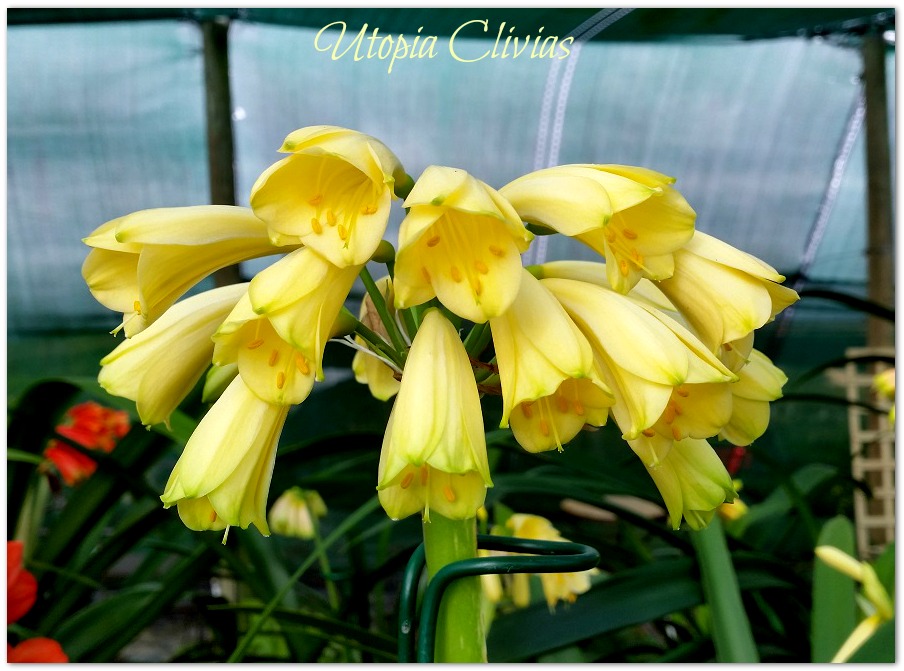
Orange, pastel peach, and yellow
Blush pink, deep red, and bronze
Multi-colour and versi combinations
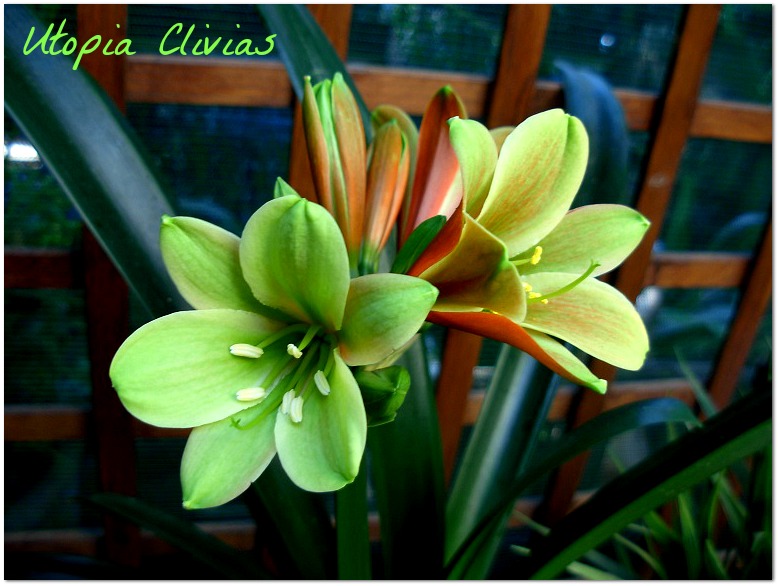
Rare green-petal forms such as Star Green
At Utopia Clivias, we firmly believe that the future of Clivia breeding lies within these genetics.
A Brief History of Interspecific Breeding
The term “interspecific” refers to crosses between different species. One of the earliest known examples was the cross between Clivia miniata and Clivia nobilis, which produced the group known as Cyrtanthiflora.
Since then, breeders have explored combinations of miniata with every other Clivia species, achieving remarkable results. In many cases:
Using miniata as the pod parent in F1 crosses produces larger, more open flowers.
F1 hybrids often serve as the foundation for further improvement.
F2 and F3 generations typically show increased colour variation, improved form, and greater genetic diversity.
Tip for Beginners
If you are new to interspecific breeding, begin with a strong F1 hybrid. It provides a solid genetic base and can lead to exceptional F2 and F3 selections.
F1 vs F2 Generations
F1 (First Generation):
Good flower size
Some colour diversity
Early breeding results
F2 (Second Generation):
Larger, more open flowers
Expanded colour range
Increased variation in flowering time
Greater genetic expression
Our Breeding Lines at Utopia Clivias
The Secret Series
Bred from Stella Parish Miniata × 5 Star (Gardenii × Group 1 Yellow), this line produces pink F2 interspecifics with large, recurved blooms.
First F3 flowers bloomed in 2016
F3 plants show softer shades and even larger flowers
All selections are registered on the International Clivia Register
The Dream Series
This collection originated from a rare selfing of a Nakamura-bred interspecific, yielding only eight to ten seeds. Despite the limited quantity, the results were exceptional.
Key characteristics include:
Large flowers with picotee edging
Semi to broad leaves up to 90 mm
Active line breeding and experimental crosses, including with the Secret Series
One of the first Secret × Dream crosses produced a delicate pastel flower with darker outer petals and a soft inner blush.
The New Versi Colour Range
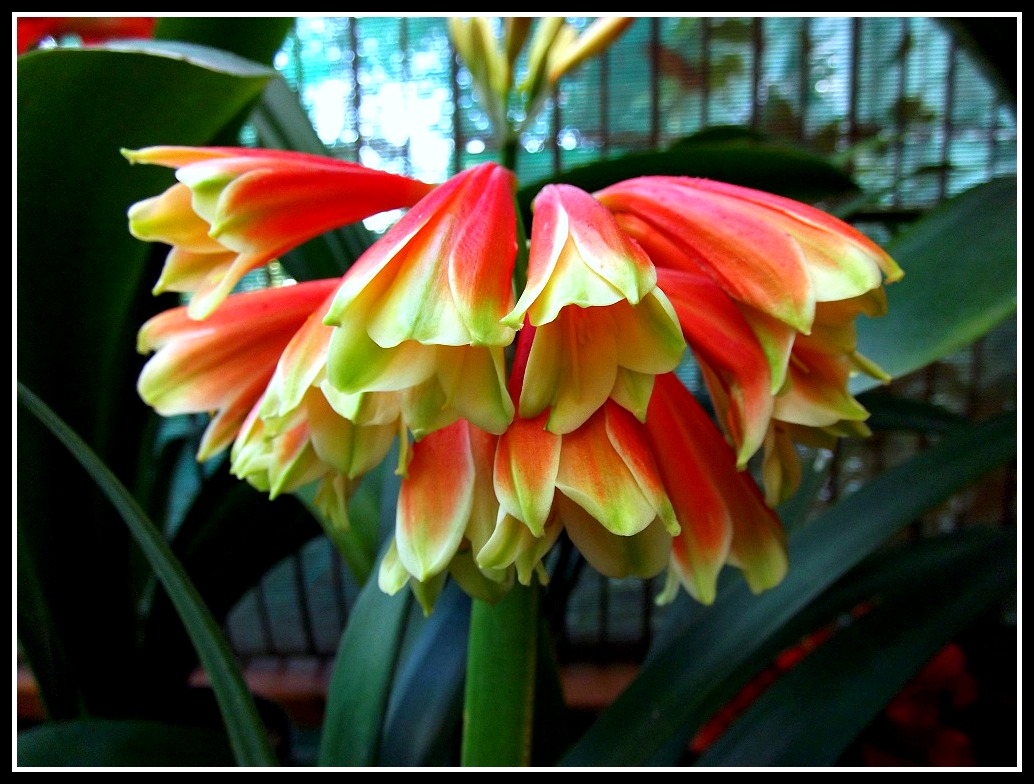
We are developing a new line of versi-type hybrids ranging from soft pinks to dark red and brick tones.
Versi genes are often dominant
They can express strongly even when used only as the pollen parent
Several striking versi flowers have already bloomed in recent seasons
Star Green Breeding
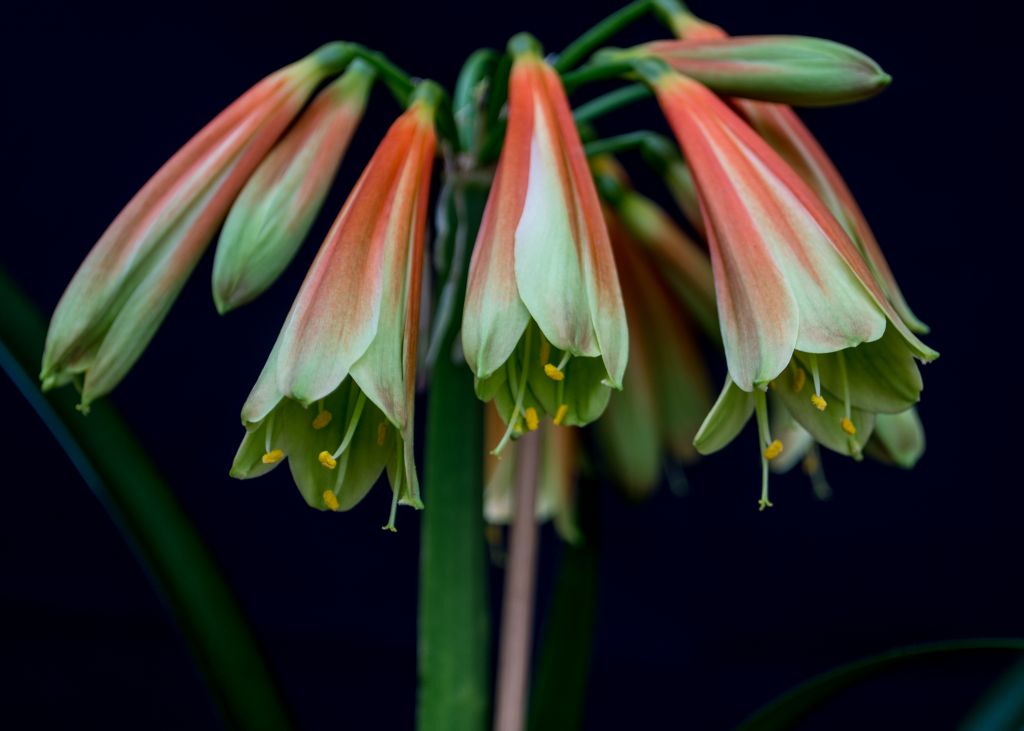
The exceptional Star Green features dark brick-red outer petals and green inner petals, which mature into a dusty pink tone.
Important traits include:
Limited fertility; requires early pollination
Pollen viability of only one to two days
Rare self-pollination
Promising results in multiple crosses
Although results are still emerging, the potential is highly encouraging.
Cultivation and Care
Interspecific Clivias require similar care to miniata, with a few key considerations:
Watering:
Weekly during hot months if rainfall is insufficient
Sparingly during winter
Soil Mix:
Fine and coarse bark
Filter sand
Polystyrene
Slow-release fertilizer such as Flexi Coat
Feeding:
Mature plants: Hyper Feed every 3–6 months
Young plants: Kick Start every 8 weeks
Pest and Disease Management:
Apply a systemic insecticide and fungicide every six months
Conclusion
Interspecific Clivias offer extended flowering periods, strong growth, improved resilience, and exceptional diversity in flower form and colour. Typically blooming from June to September, they bring beauty to the garden when many other plants are dormant.
These plants are not only ornamental—they represent the future of Clivia breeding.
We hope this inspires you to explore interspecific genetics and experience the ongoing journey of colour, form, and possibility at Utopia Clivias.
🌿 Explore our interspecific collections at Utopia Clivias.
Visit us at 20 Crane Walk, Sedgefield or online at www.utopiaclivias.co.za