Interspecific Clivias: The Future of Hybrid Clivia Breeding
Discover the beauty and genetic potential of interspecific Clivias — hybrids created by crossing different Clivia species to produce exceptional flower forms, unique colour combinations, and extended blooming seasons. These plants are highly valued by collectors and breeders worldwide and are shaping the future direction of Clivia development.
What Are Interspecific Clivias?
Interspecific Clivias are hybrids produced by crossing two or more different Clivia species. This genetic combination introduces new variation in flower form, colour expression, plant structure, and flowering time, resulting in plants that differ significantly from traditional species lines.
Why Interspecific Clivias Are Gaining Popularity
Although not always widely known outside specialist circles, interspecific Clivias are highly sought after by breeders and serious collectors. Their genetic diversity offers expanded breeding opportunities and long-term improvement potential.
They are admired for:
Unique flower characteristics
Enhanced colour range
Strong garden performance
Extended flowering periods
Key Features of Interspecific Flowers
Interspecific hybrids often display:
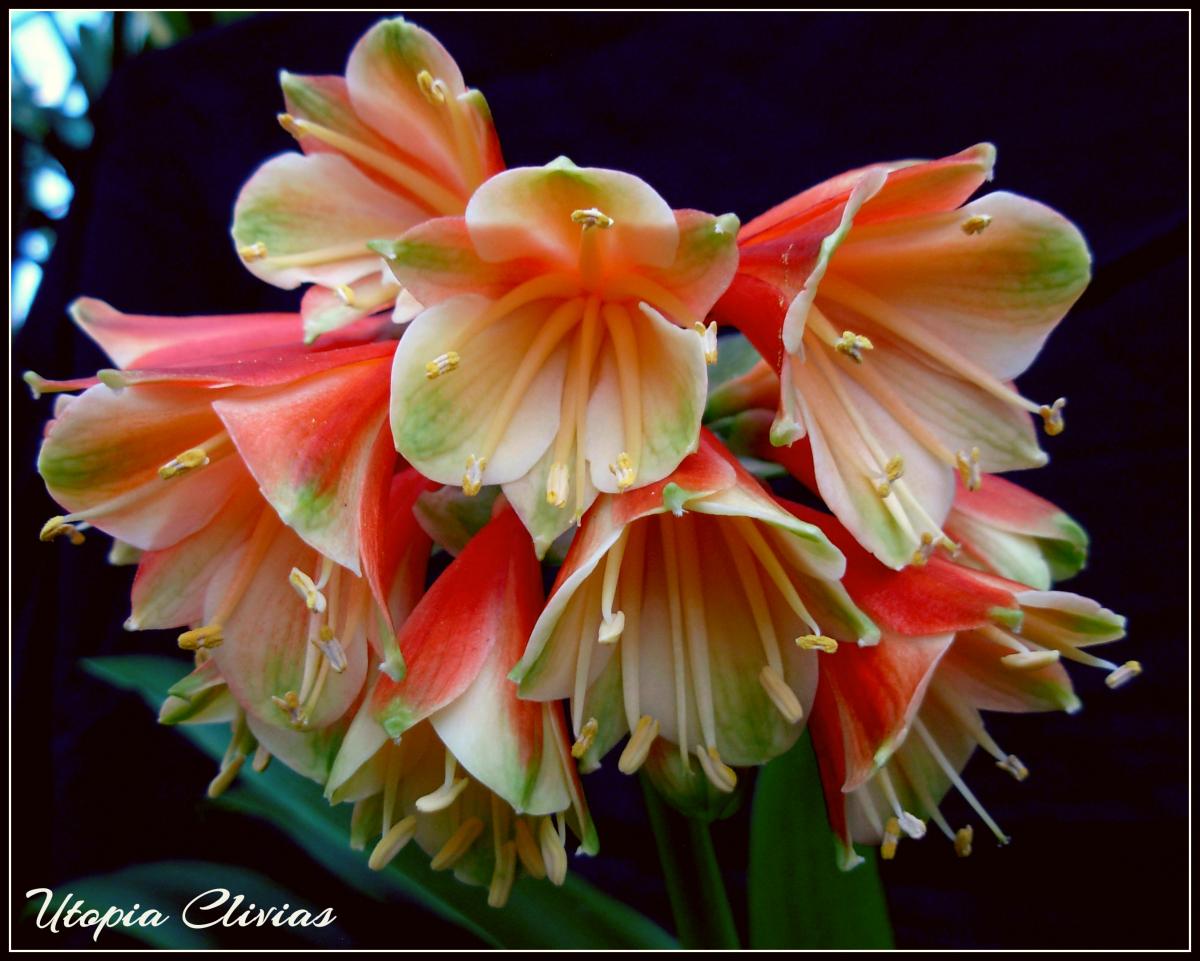
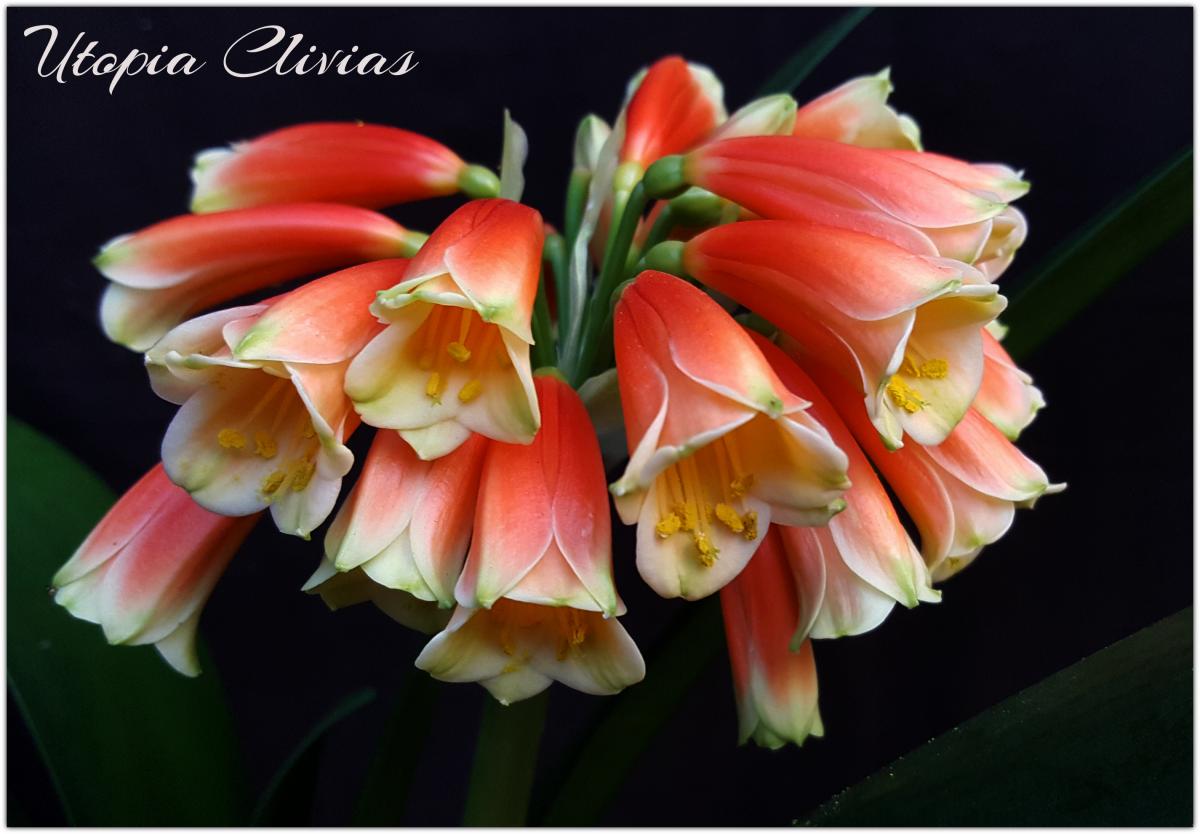
Larger, more open blooms compared to wild species
Semi-pendulous to upright tubular flower forms
Increased flower size and improved umbel structure
A broad spectrum of colours and patterns
Improved floral presentation for exhibition standards
These traits make them particularly attractive for show cultivation and advanced breeding programmes.
Flowering Seasons and Shows
Interspecific Clivias typically flower from May through September in the Southern Hemisphere, with peak bloom occurring around July.
Many Clivia clubs now host dedicated interspecific shows and displays during this period, highlighting the diversity and progress achieved through hybrid breeding.
How Interspecific Clivias Are Bred
Breeding usually involves crossing Clivia miniata with pendulous species such as:
Clivia gardenii
Clivia nobilis
Clivia caulescens
Clivia robusta
Clivia mirabilis
This strategic combination introduces new genetic traits that influence flower shape, colour development, plant habit, and blooming behaviour. Successive generations (F2, F3 and beyond) often show further improvement and expanded variation.
Cultivation and Care
Interspecific Clivias require similar care to standard Clivia types, with attention to drainage and seasonal watering:
Water weekly during hot months if rainfall is absent
Reduce watering significantly in winter
Use a well-drained bark-based growing medium
Incorporate slow-release fertiliser
Feed mature plants every 3–6 months
Feed young plants every 8 weeks
Apply systemic insecticide and fungicide twice yearly
Proper cultural practices support strong growth, flowering performance, and long-term plant health.
Advantages of Interspecific Hybrids
Interspecific Clivias offer several significant benefits:
Vigorous growth
Improved disease and pest resistance
Extended and sometimes repeat flowering
Greater diversity in flower size, form, and colour
Expanded breeding possibilities for future generations
They represent one of the most dynamic and rapidly evolving areas in Clivia development.
The Future of Interspecific Clivia Breeding
Across the world, breeders are producing increasingly advanced interspecific hybrids. With each generation, new colour combinations and refined flower forms emerge.
Many experts believe that the long-term future of Clivia improvement lies in the continued exploration of interspecific genetics — unlocking traits that were previously unavailable within single-species breeding alone.
Interspecific Clivias are not only beautiful plants; they are a powerful foundation for innovation, selection, and the next generation of elite cultivars.