Preventing Pests and Diseases in Clivias: A Practical Protection Guide
At Utopia Clivias, we understand that healthy, vibrant Clivias start with prevention. While Clivias are generally hardy and resilient, overcrowding, poor airflow, and overwatering can invite pests and fungal infections. A proactive care routine ensures your plants remain disease-free, strong, and ready to produce exceptional blooms.
Using our decades of breeding expertise, we recommend a combined strategy of systemic insecticides and fungicides, paired with cultural best practices, to protect Clivias year-round.
Why Prevention Is Key
Even the strongest Clivias are vulnerable to a few common problems:
Mealybugs – Often hide at the base of leaves and between rhizomes
Amaryllis caterpillar – Can strip leaves rapidly
Snails and slugs – Damage foliage and young growth
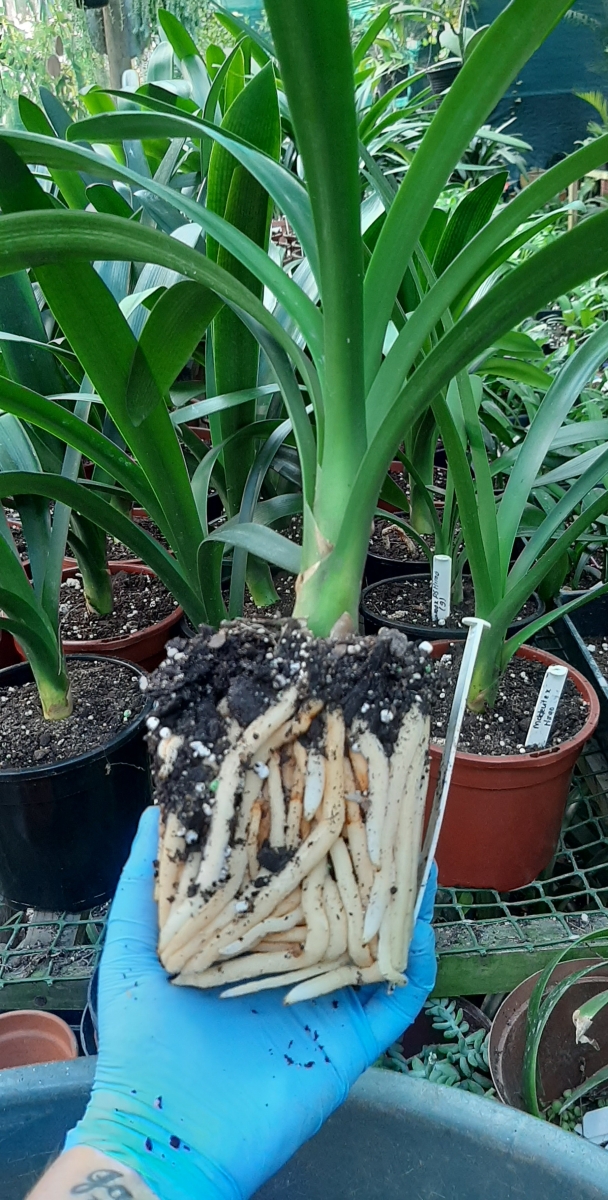
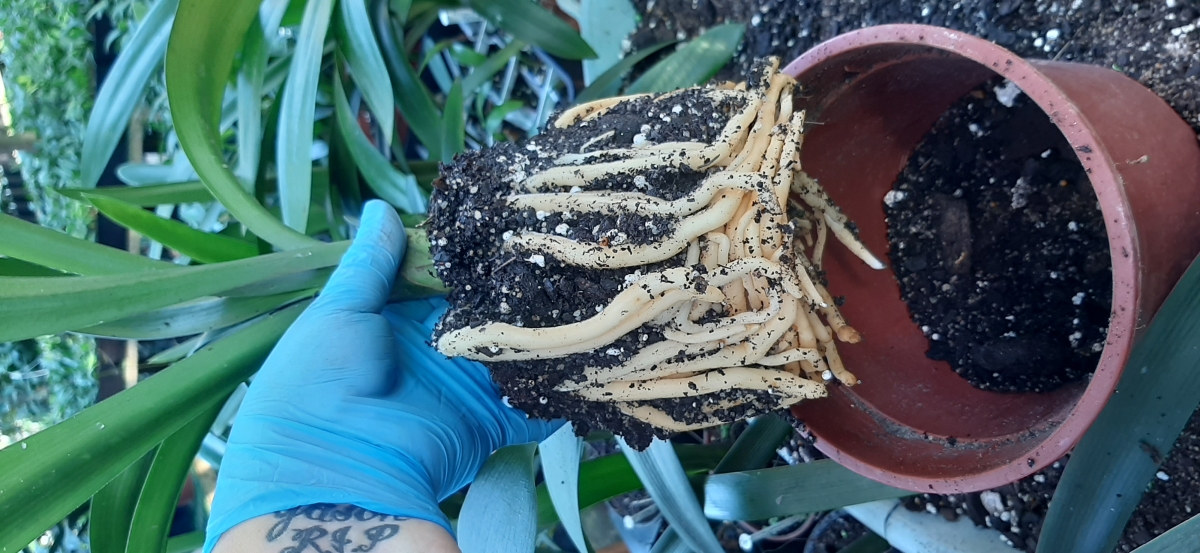
Root and crown rot – Typically caused by overwatering or poor drainage
Fungal leaf spotting – Triggered by excess moisture and poor ventilation
Viruses – Cause mottled or spotted leaves and stunted growth
Nematodes – Attack roots, causing stunted, yellowing plants
Prevention is far more effective than treating problems after they occur.
Our Preventative Protection Routine
1. Systemic Insecticide
A systemic insecticide is absorbed into plant tissue, protecting Clivias internally. When pests feed, they ingest the treatment.
Best practice:
Apply every six months as a preventative measure
Ensure even soil drench for full absorption
Treat all nearby plants to prevent spread
Example: Immidor (active ingredient: Imidacloprid)
Controls a wide range of pests
Long-lasting internal protection
2. Systemic Fungicide
Fungal diseases often develop silently in roots or leaf tissue before visible signs appear.
Benefits:
Protects against root rot, crown rot, and leaf spot
Strengthens resilience in humid conditions
Application: Soil drench or foliar spray according to label instructions
Example: Orius (active ingredient: Tebuconazole)
3. Cultural Practices for Stronger Plants
Chemical prevention works best when combined with excellent cultivation:
Improve Air Circulation
Avoid overcrowding
Divide mature Clivias every 3–5 years
Remove old or dead leaves
Manage Watering Carefully
Never let soil remain soggy
Ensure pots have excellent drainage
Allow top layer to dry slightly between waterings
Inspect Regularly
Check leaf bases and undersides
Look for early stress or discolouration
Act immediately if pests are detected
Common Clivia Pests & Diseases — Identification and Treatment
1. Aphids
Tiny green or black insects on new growth or buds
Feed on sap, weaken plants, and spread viruses
Treatment:
Chemical: Spray Chlorpyrifos (Garden Ripcord/Chlorforce)
Systemic: Immidor drench
Organic: Introduce Ladybirds
2. Mealybugs
Small, woolly white insects hiding in leaf bases or soil
Spread viruses and are difficult to eradicate
Treatment:
Chemical: Chlorpyrifos contact spray
Organic: 70% Isopropyl Alcohol mixed with water
Long-term: Systemic granular treatment (Plant Protector/Imidacloprid)
3. Lily Borer (Amaryllis Borer Moth – Brithys pancratii)
Black and yellow caterpillars that tunnel into leaves, stalks, bulbs, berries
Treatment:
Immediate: Garden Ripcord spray
Preventative: Interplant with other Amaryllids
Systemic: Plant Protector drench every 6 months
4. Red Spider Mite
Tiny reddish-brown mites spinning webs under leaves
Cause yellowing, bronzing, and weakened growth
Treatment:
Systemic: Immidor soil drench or foliar absorption
5. Slugs and Snails
Feed on soft new growth, leaving ragged damage
Treatment:
Chemical: Snailbait (Deadline M or pet-safe Ferramol)
Organic: Beer traps or lard-coated cabbage leaf collection at night
6. Scale Insects
Hard-shelled insects on stems and leaves, often introduced by ants
Treatment:
Systemic Imidacloprid for internal control
Control ants to reduce infestation
7. Snout Beetles (Weevil Damage)
Nocturnal feeders damaging leaves and bracts
Treatment:
Manual night collection
Light traps
Preventative systemic soil treatment
8. Fungal & Bacterial Diseases
Seed rot, root rot, damping-off, rust, leaf spots, bacterial rot
Treatment:
Systemic fungicide: Orius (Tebuconazole)
Ensure airflow, avoid overwatering, sterilise tools
9. Viruses
Cause mottled/spotted leaves and stunted growth
Spread by insects and contaminated tools
Treatment:
No cure — destroy infected plants
Sterilise tools between uses
Control insect vectors (aphids, mealybugs, scale)
10. Nematodes (Root-Knot)
Microscopic worms attacking roots, causing stunted growth
Treatment:
Difficult to eradicate
Some success with systemic soil drenches
Severe cases: soil replacement or crop rotation
Early Warning Signs
Yellowing leaves → root stress
Soft or collapsing crown → rot
White cottony clusters → mealybugs
Chewed foliage → caterpillars or snails
Brown spots → fungal infection
Tips for Healthy, Pest-Resistant Clivias
✅ Always sterilise tools between plants
✅ Quarantine new plants before adding them to your collection
✅ Inspect regularly to catch problems early
✅ Follow label instructions for all chemical products
Preventing pests and diseases is not complicated. Combining systemic protection, proper watering, drainage, airflow, and feeding ensures your Clivias stay vigorous and produce exceptional blooms every season. At Utopia Clivias, we combine decades of breeding expertise with proven care strategies to keep Clivias thriving in gardens worldwide.