Clivia caulescens – The Forest-Dwelling Stem-Forming Clivia
Clivia caulescens is one of the most distinctive Clivia species, immediately recognisable by its elongated, leaf-bearing stem and elegant pendulous flowers. Indigenous to the evergreen mountain forests of South Africa, this species occupies a unique ecological niche and is highly valued by collectors and breeders for both its botanical character and proven breeding performance.
Natural Habitat and Distribution
Clivia caulescens thrives on the forest floor of evergreen forests, where high humidity, filtered light, and stable temperatures prevail. Plants are frequently found growing on moss- and lichen-covered rocks, steep embankments, and occasionally on tree trunks, reflecting its adaptability to challenging forest conditions. These habitats are typically located in sheltered ravines, moist valleys, and incised valley heads, most often on south-facing slopes.
The species occurs naturally in mountainous regions from Kaapsehoop in the south to Tzaneen in the north, and from Barberton in the east to Potgietersrus in the west, indicating a strong preference for cooler, high-rainfall environments.
Growth Habit and Plant Structure
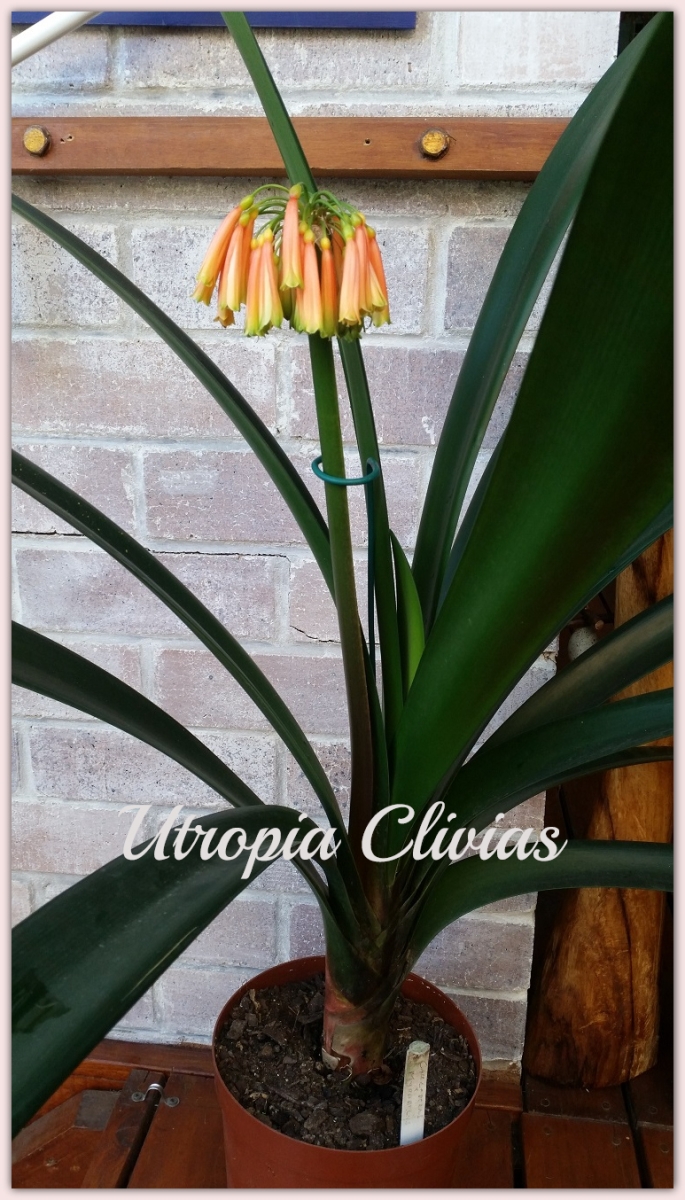
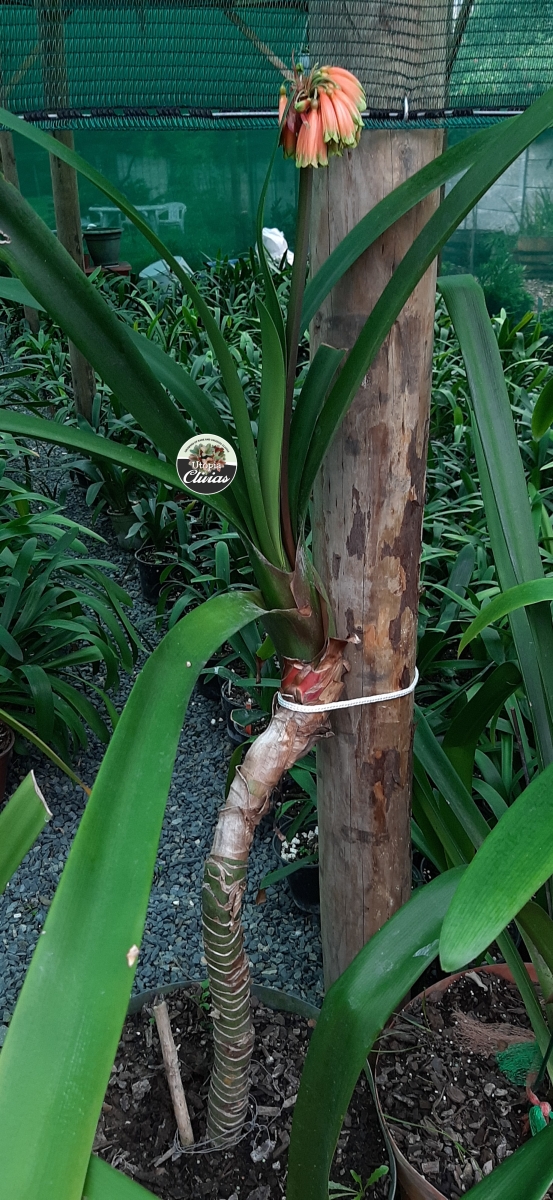
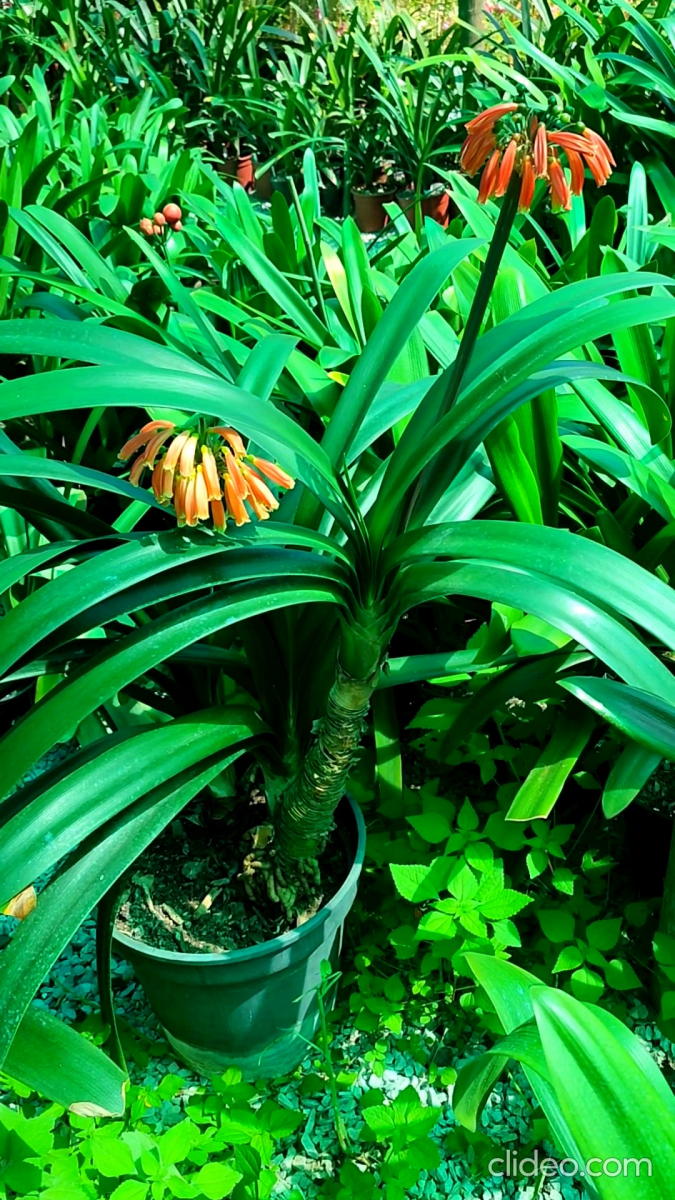
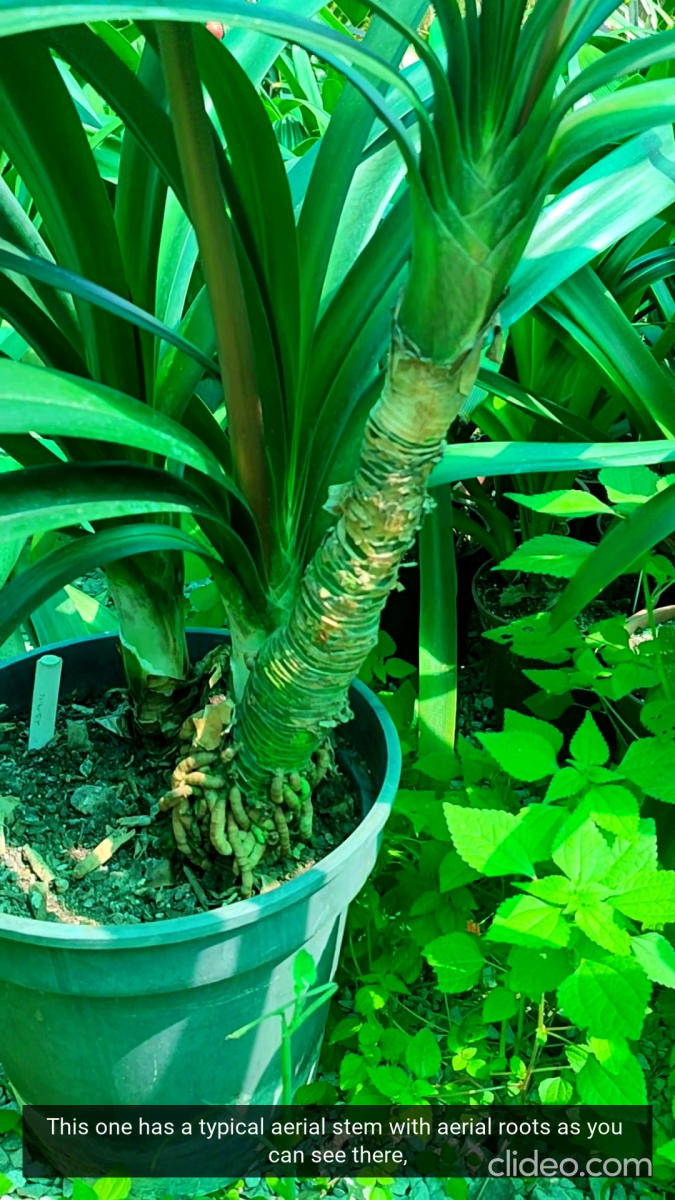
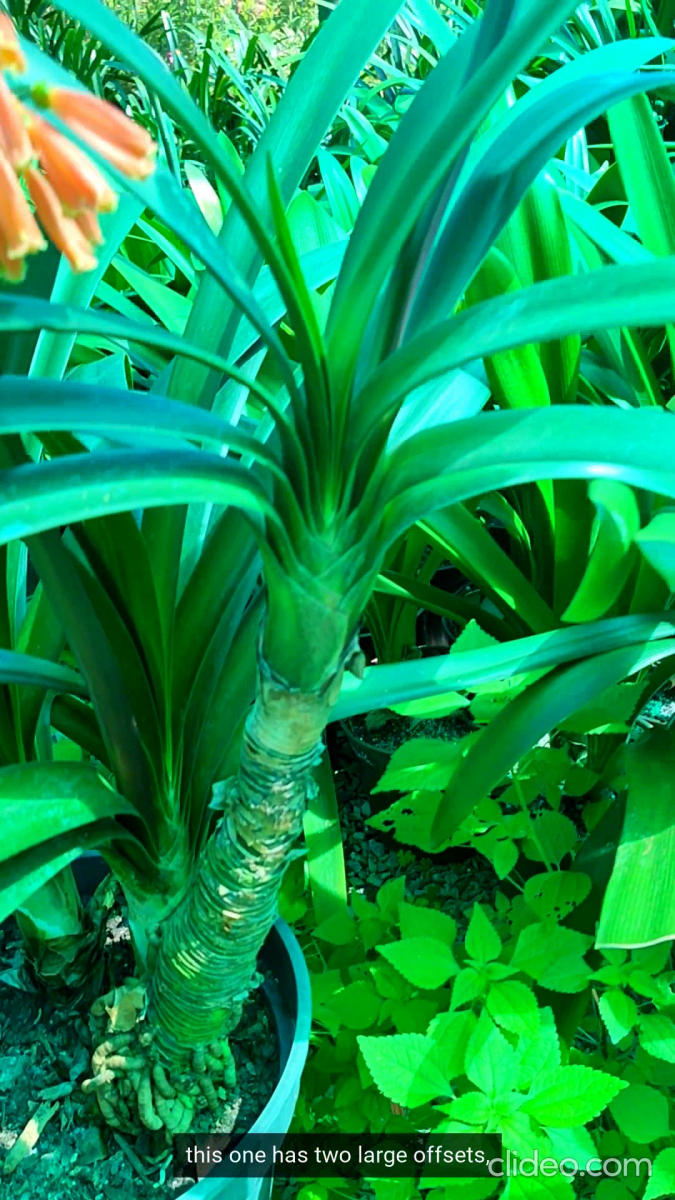
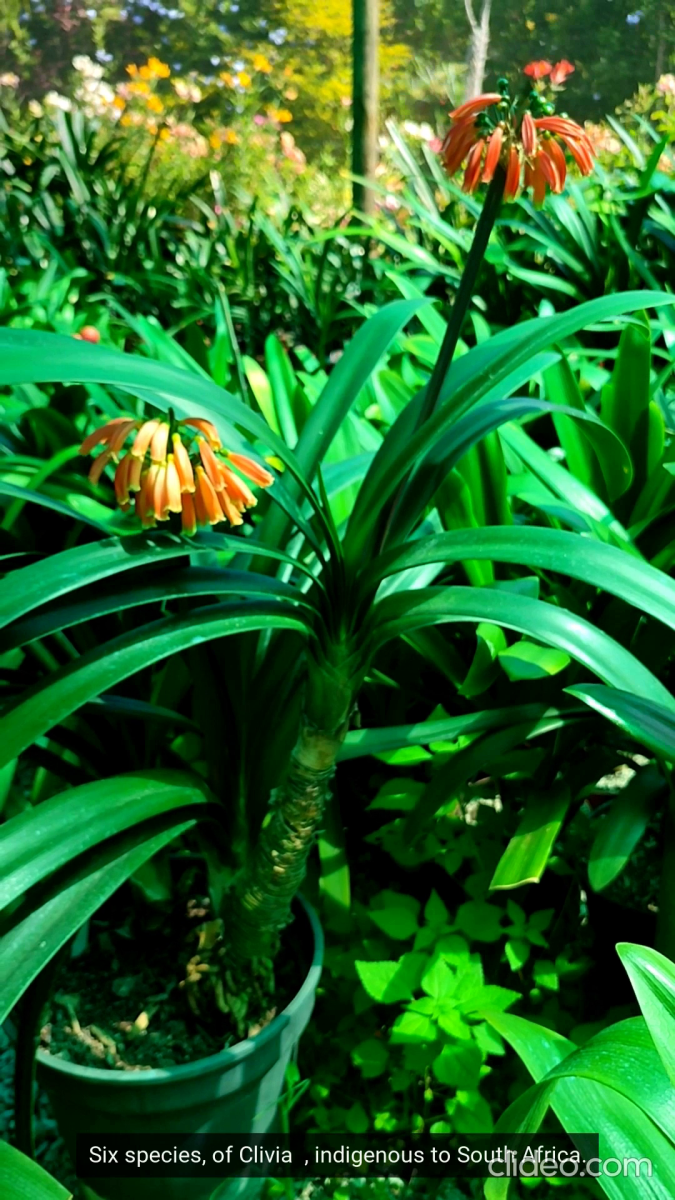
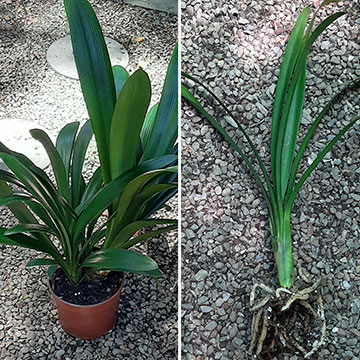
Unlike most Clivia species, which are stemless, Clivia caulescens develops a true aerial stem, making it immediately recognisable.
Plants typically range from 500 mm to 1500 mm in height
Mature specimens may develop leaf-bearing stems exceeding 1 metre, and in exceptional cases up to 3 metres
Leaves are soft, smooth, and slightly arching
Leaf width ranges from 35–70 mm, with lengths of up to 300 mm
This growth habit allows the plant to rise above accumulating leaf litter and compete effectively for light in dense forest environments.
Rare Variegated Yellow Form
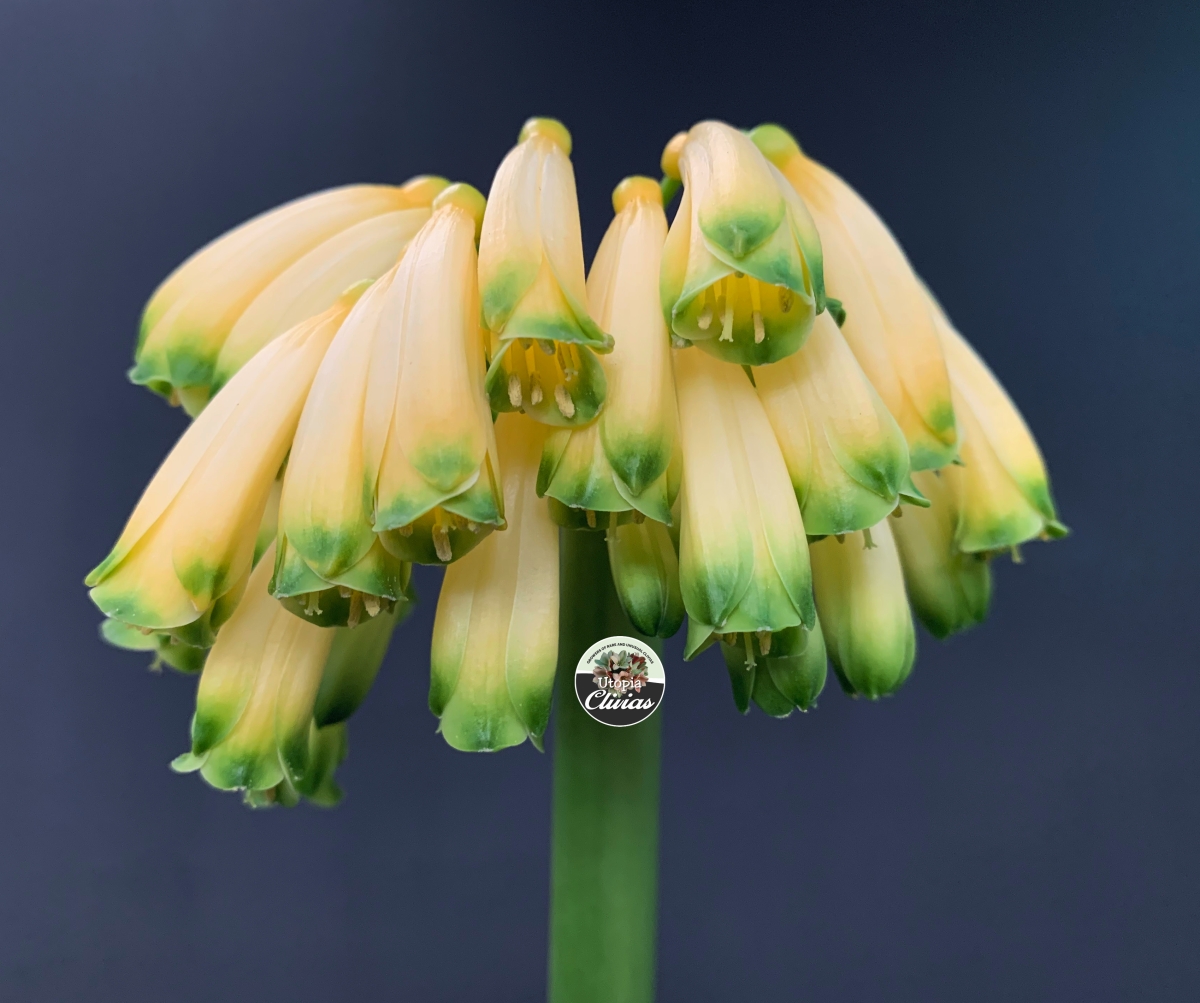
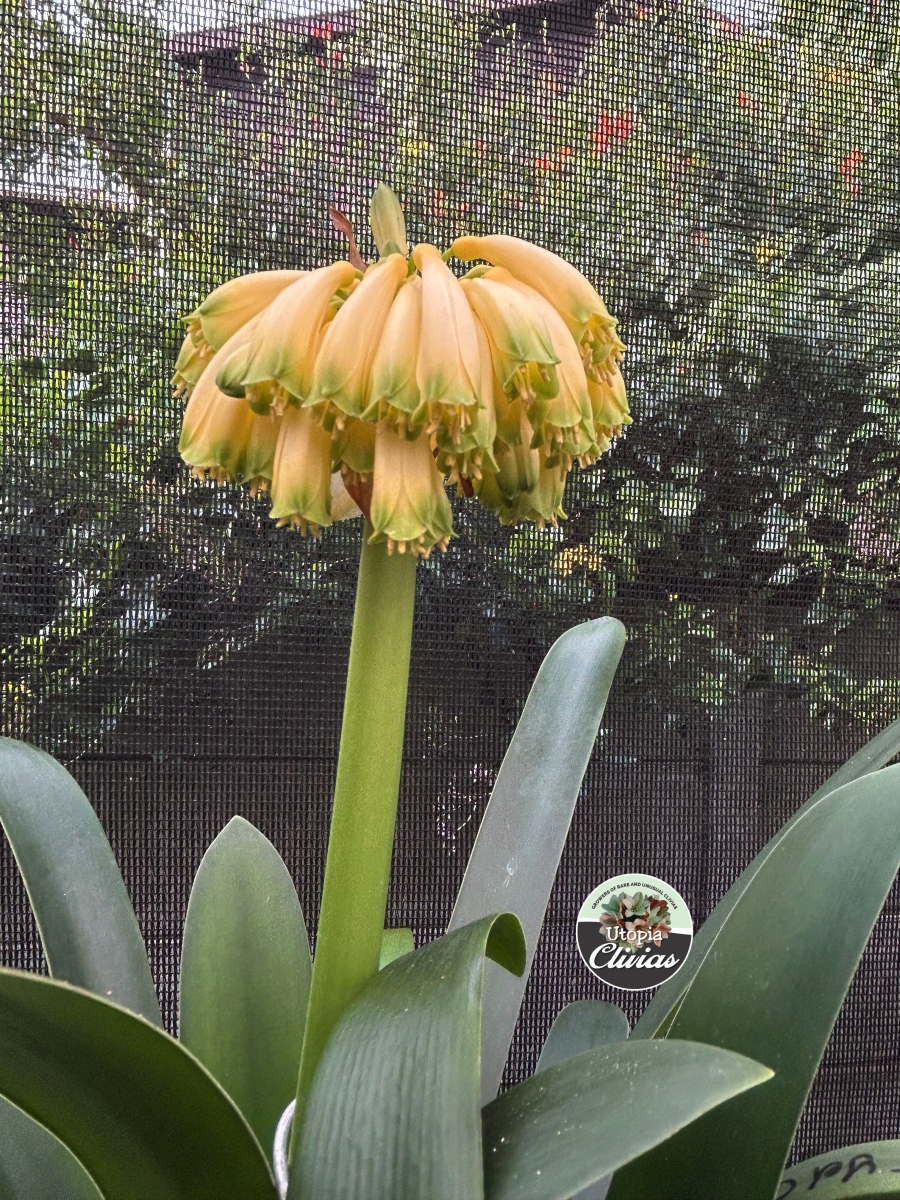
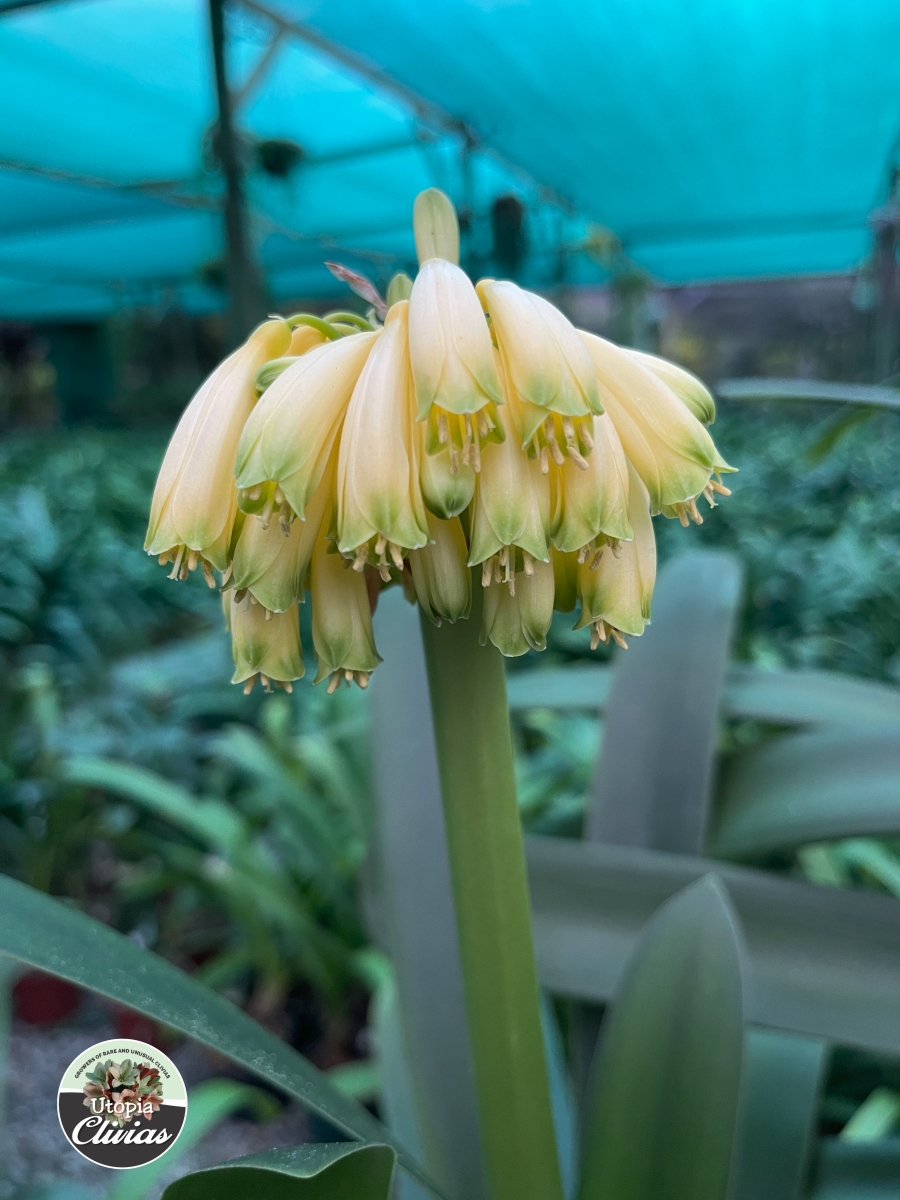
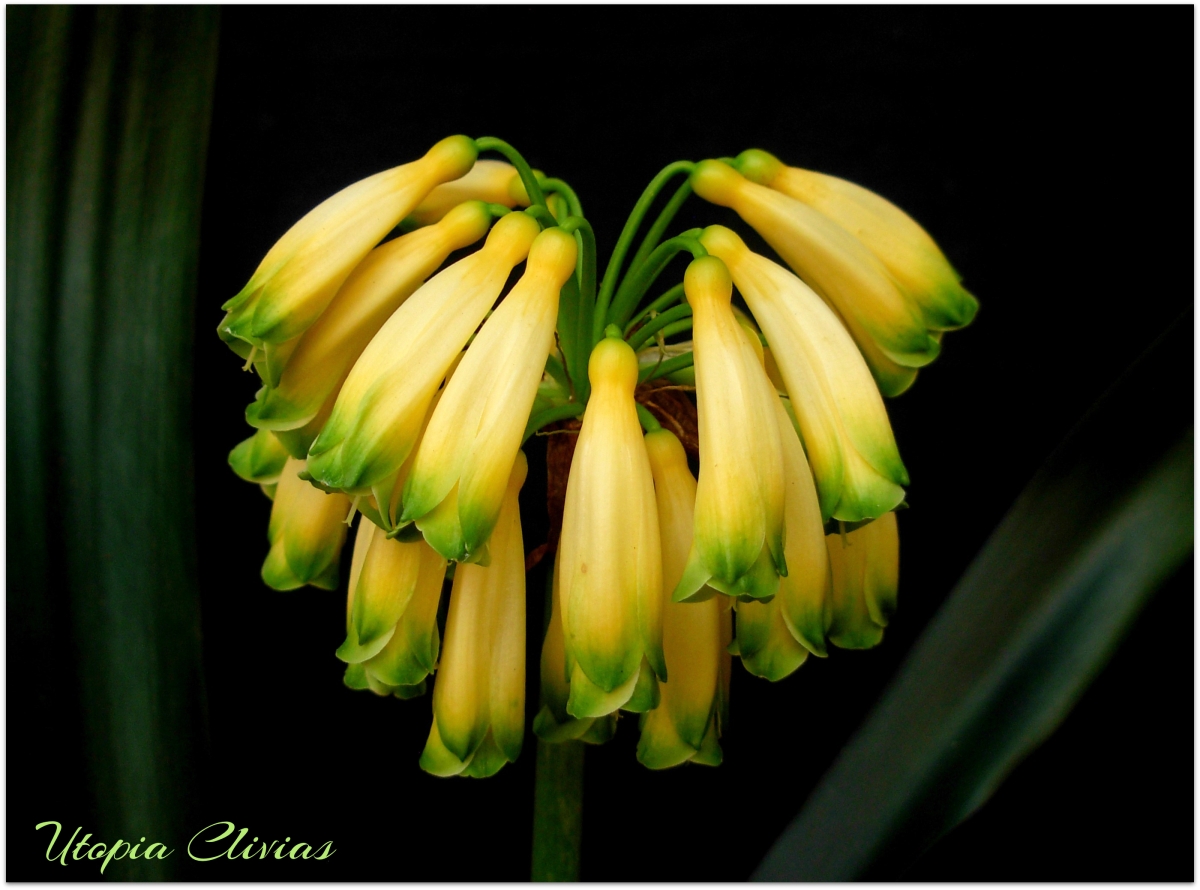
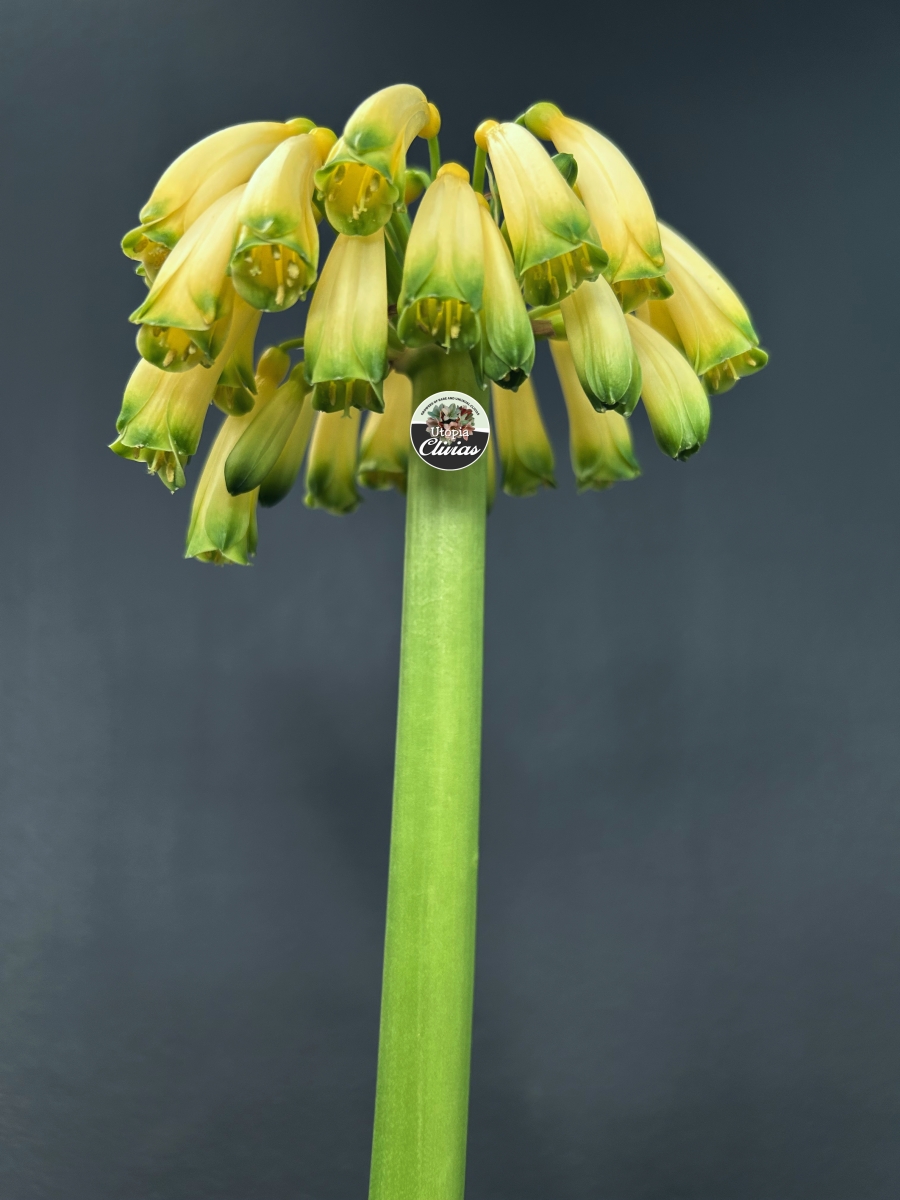
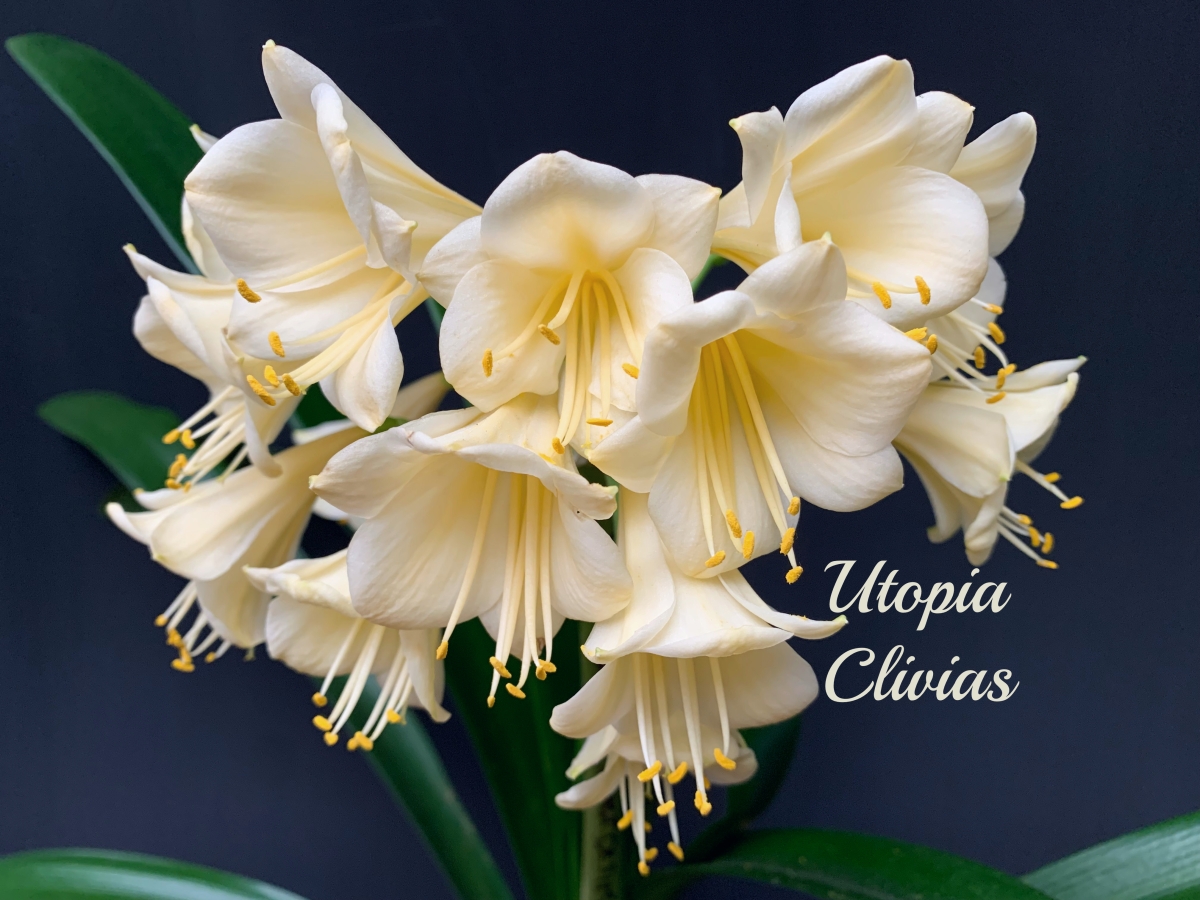
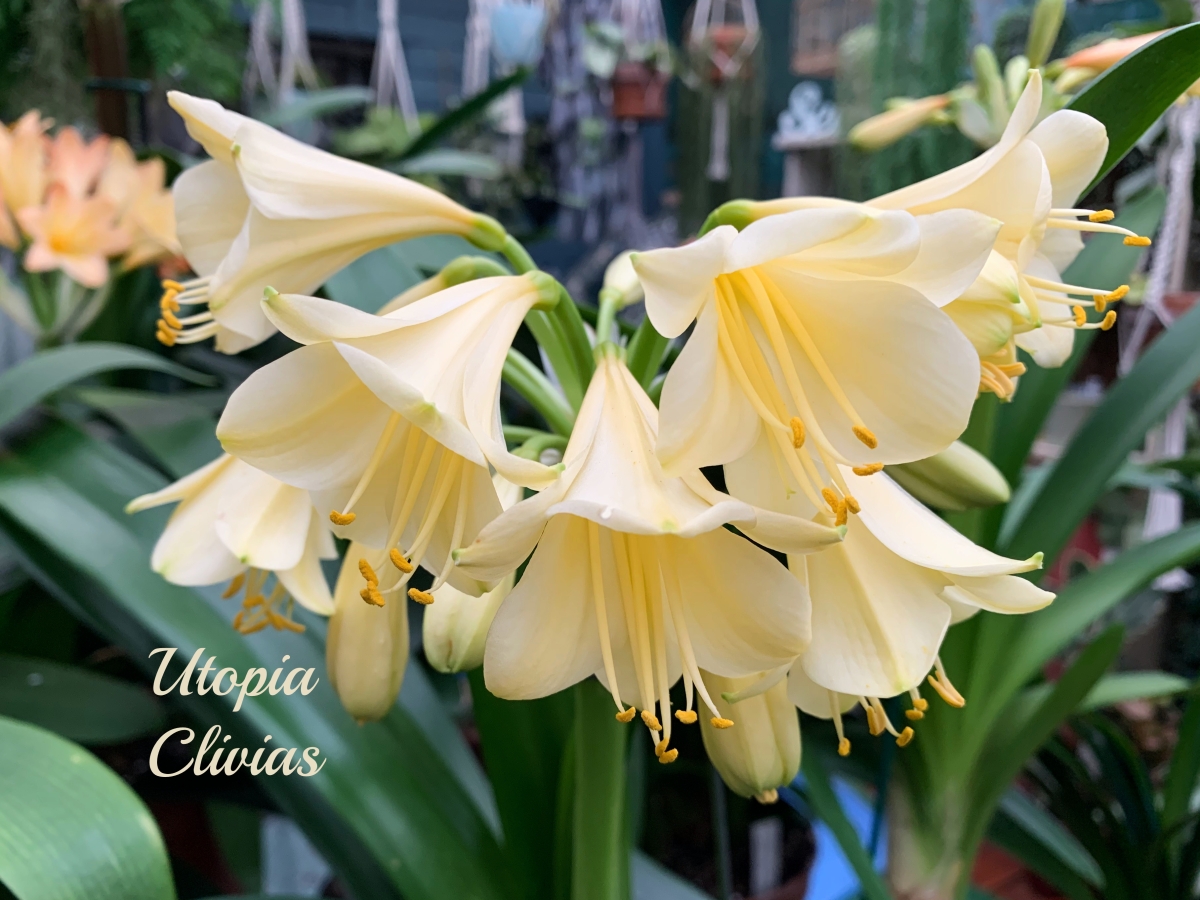
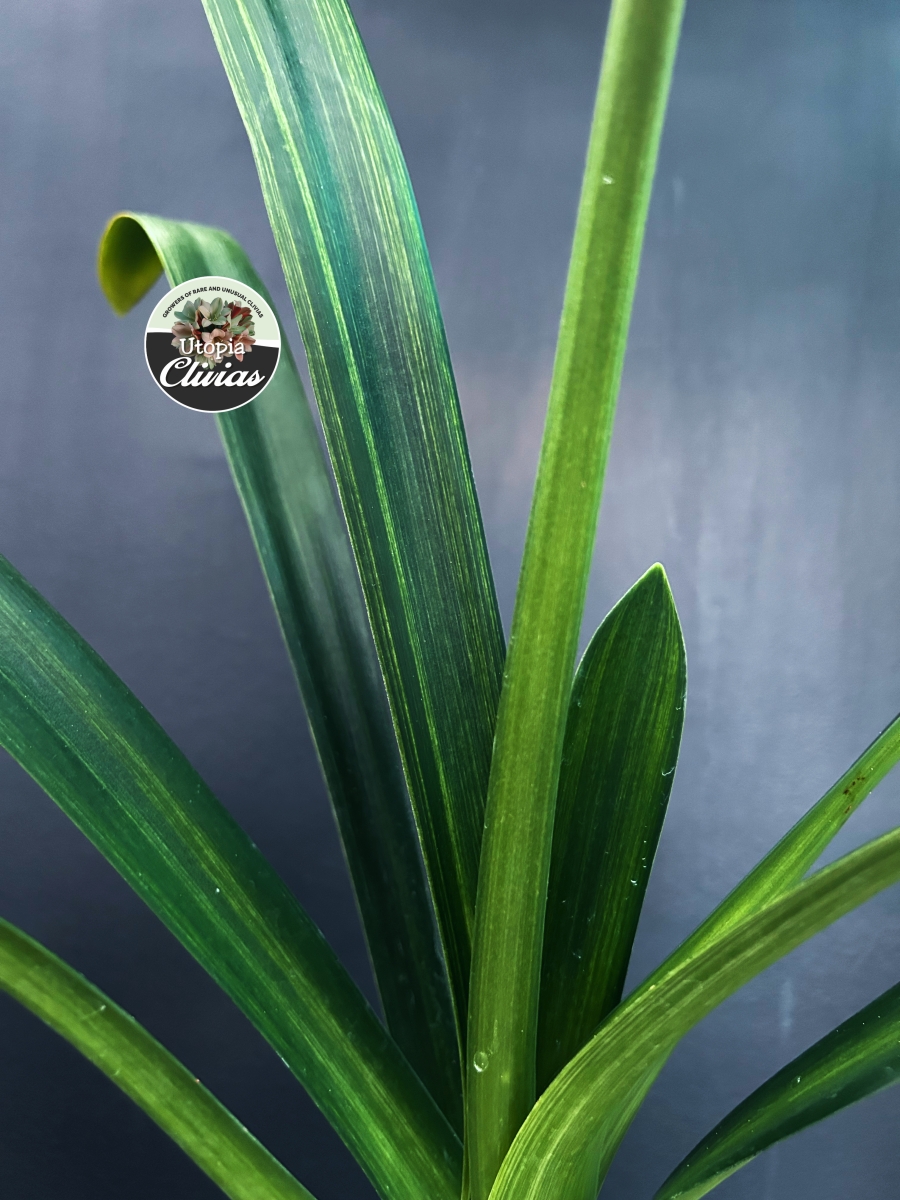
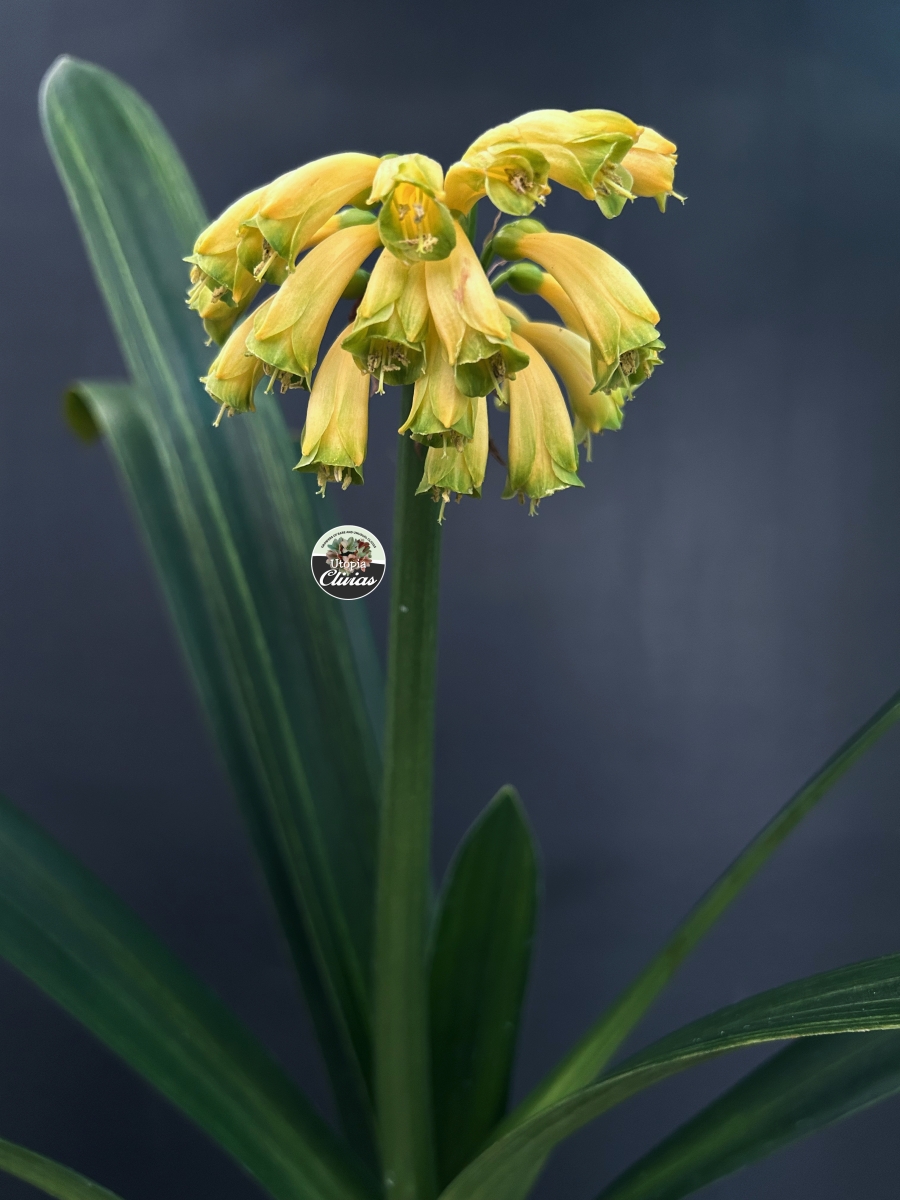
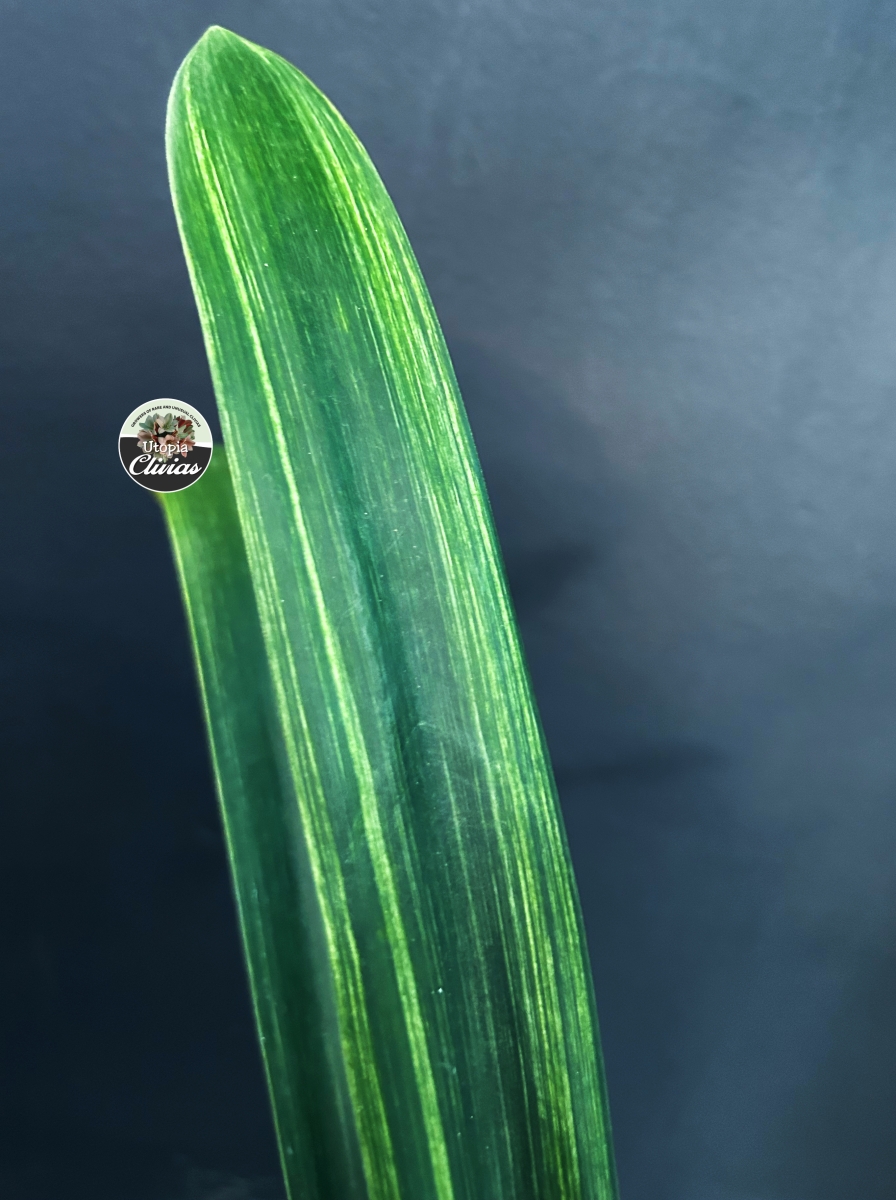
At Utopia Clivias, we are fortunate to cultivate an extremely rare variegated yellow Clivia caulescens, grown from seed. This plant represents a naturally occurring genetic mutation, highlighting the remarkable diversity and unpredictability within the species.
The combination of variegated foliage and yellow pigmentation is exceptionally uncommon, making this specimen particularly significant to collectors and breeders. While the long-term stability and heritability of this form are still being observed, it stands as a unique example of the unexpected variations that can arise naturally in Clivia cultivation.
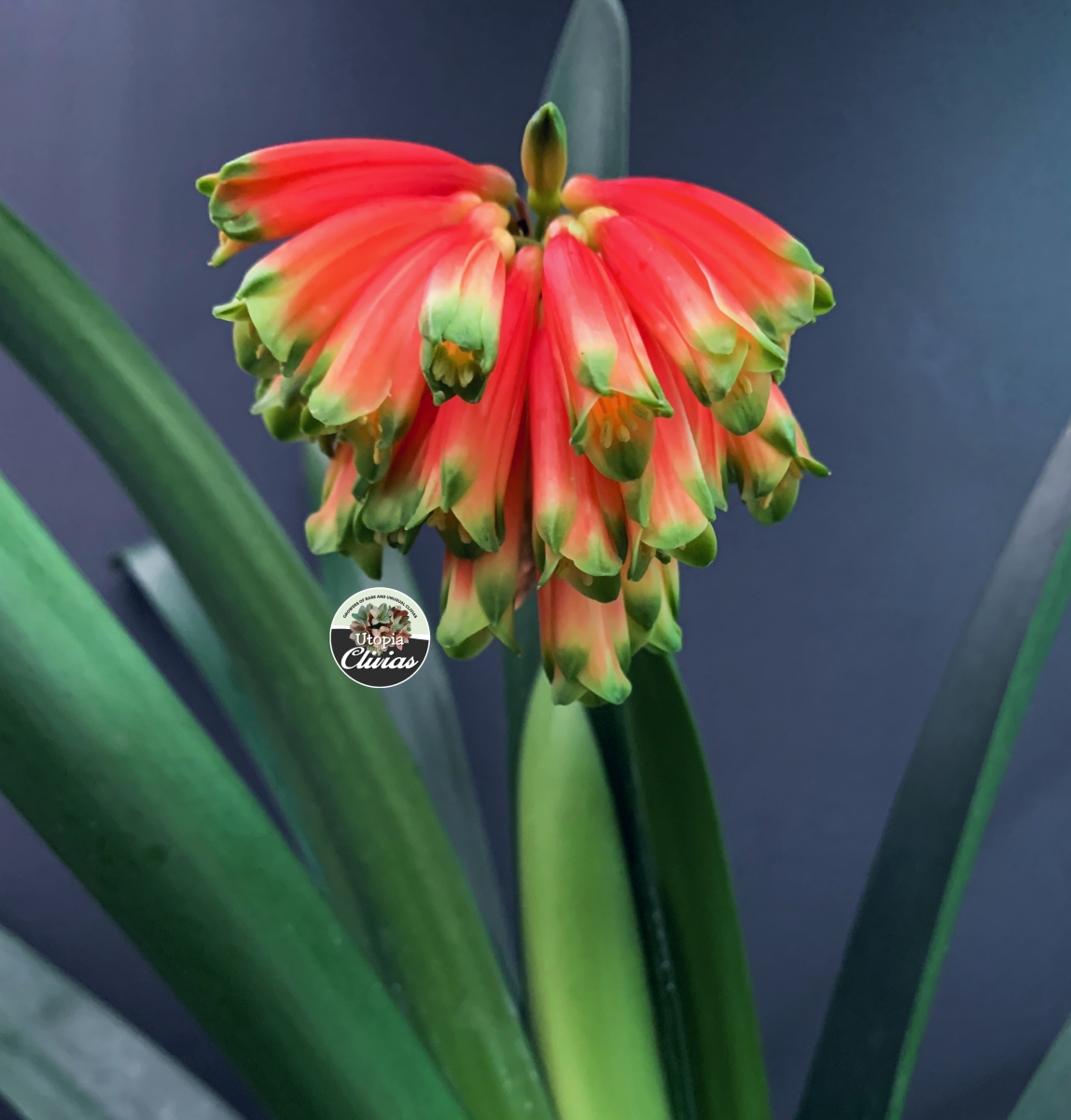
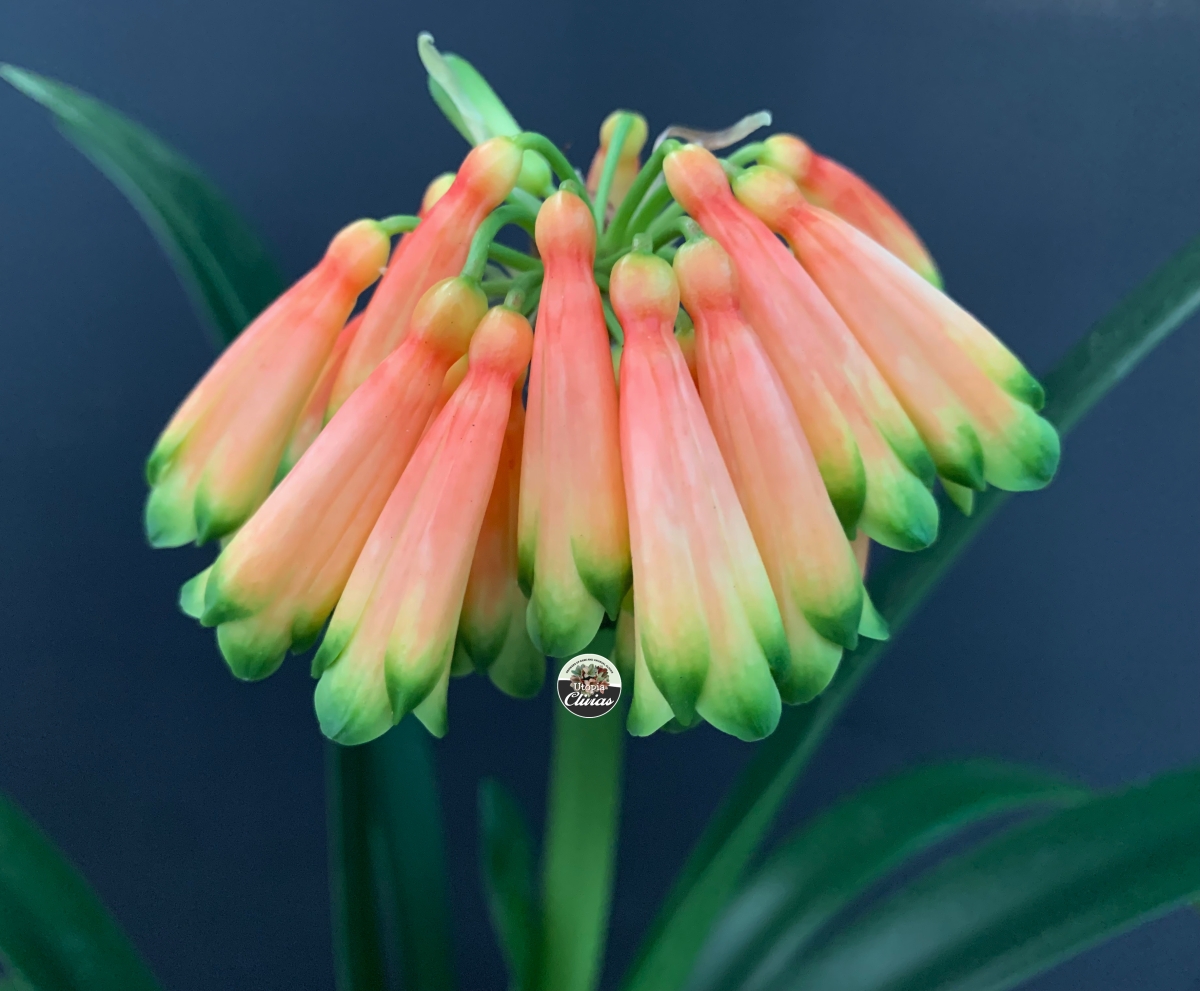
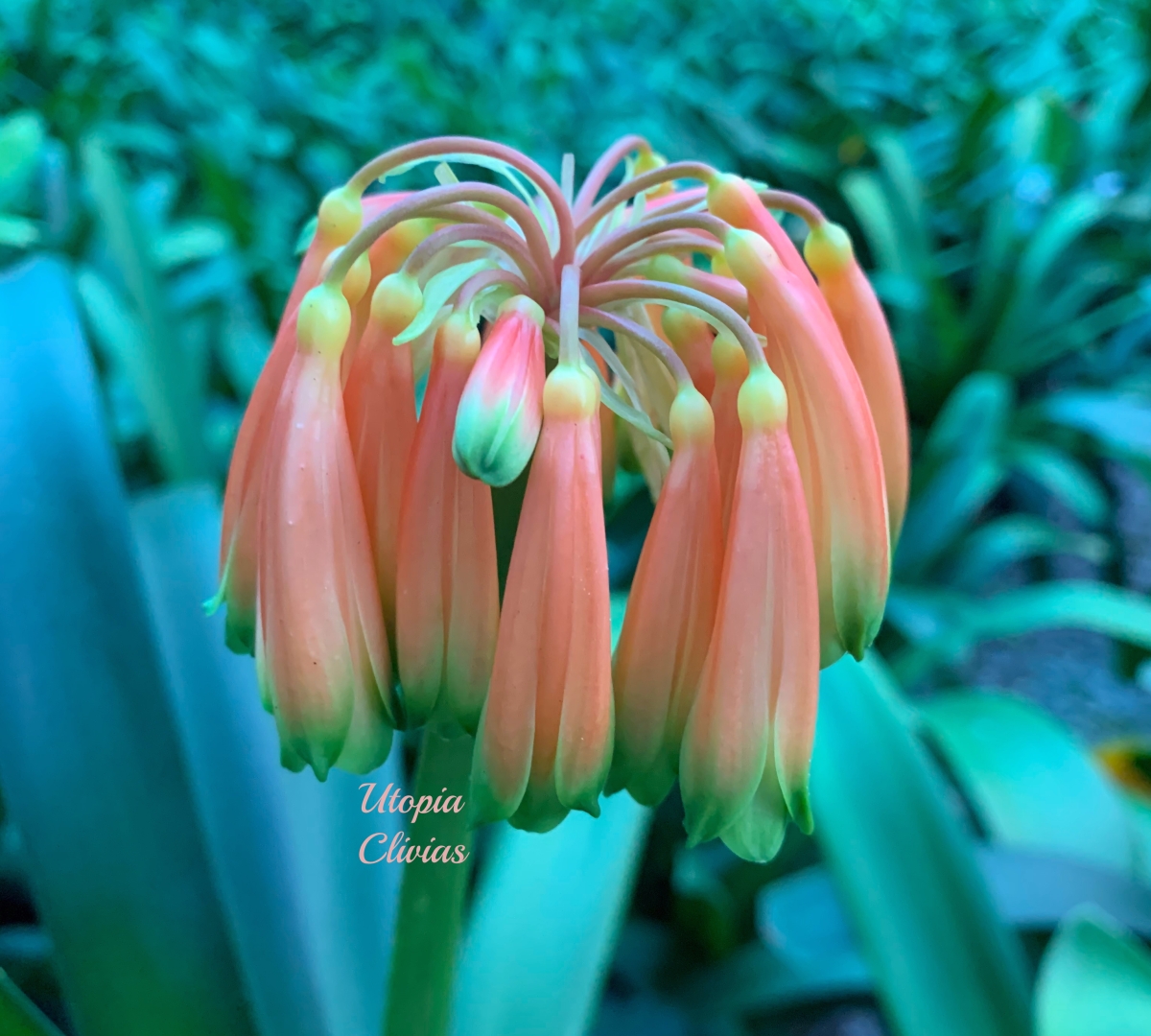
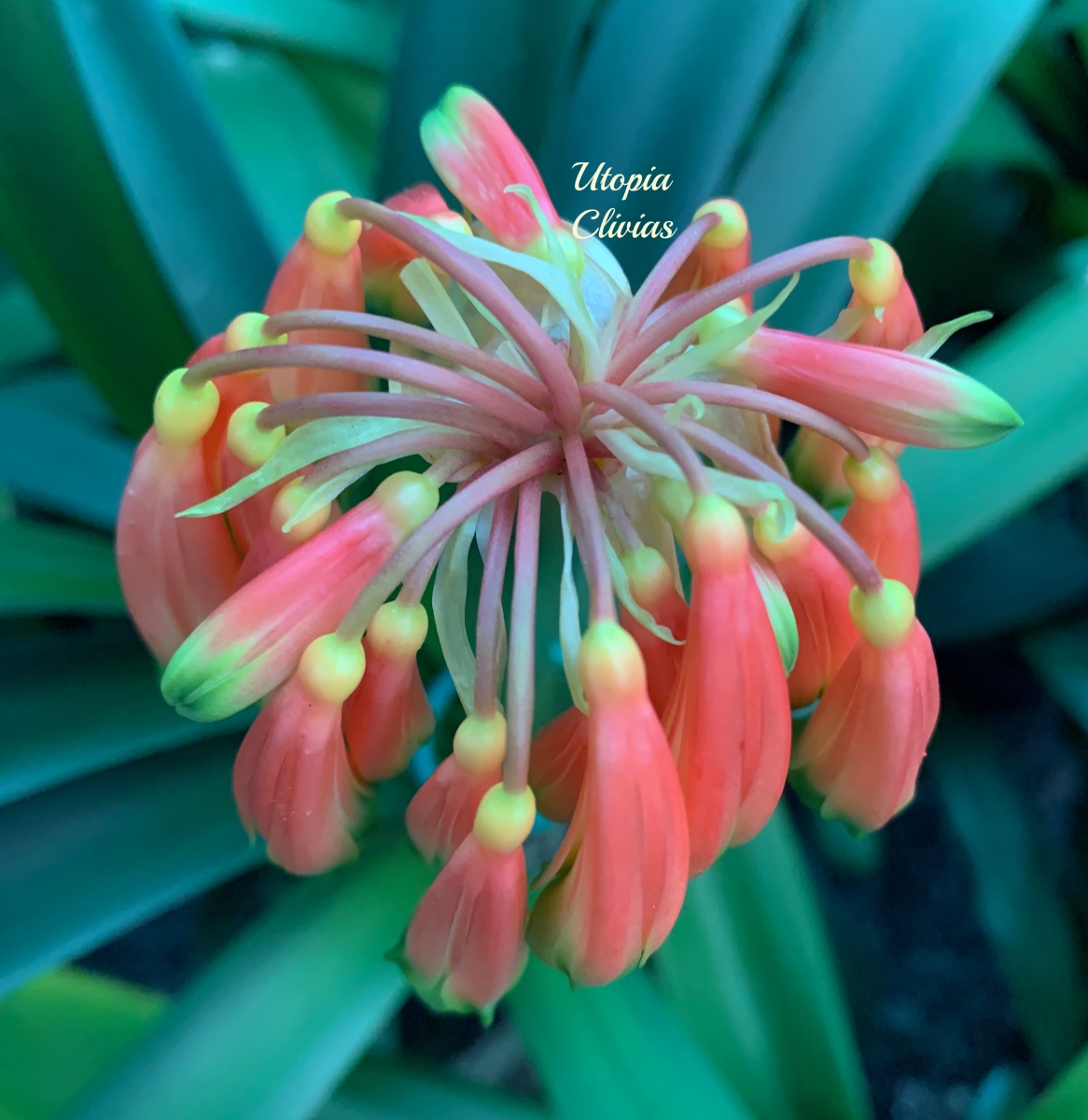
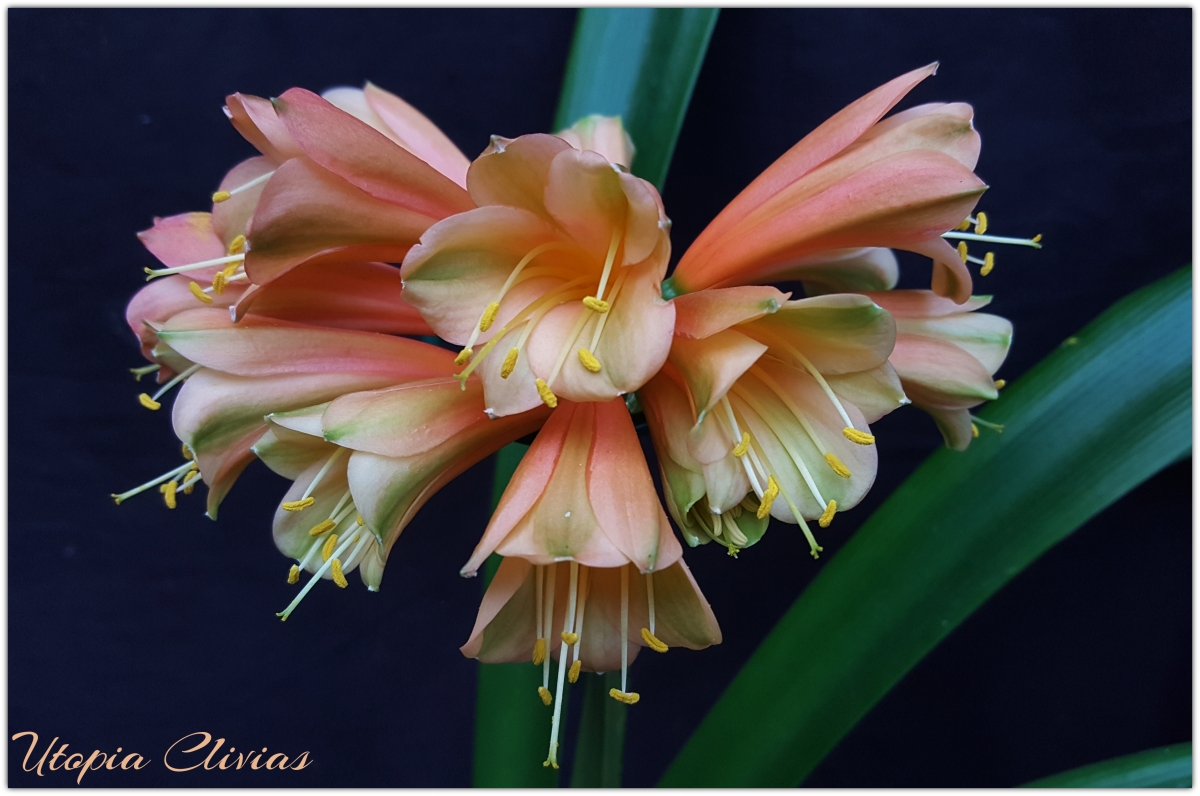
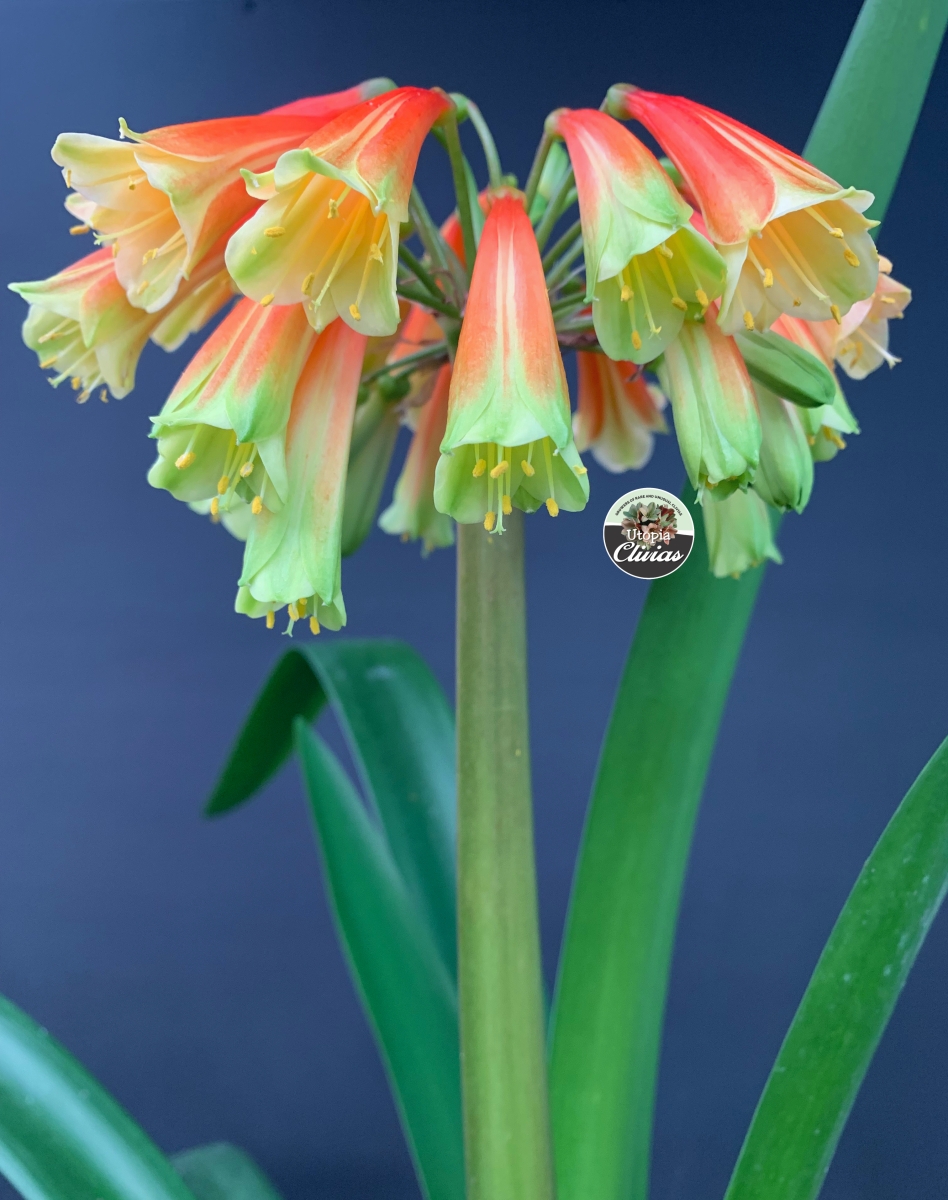
Gallery images illustrate this plant’s development and showcase its rare and distinctive character within our collection.
Flowers and Flowering Season
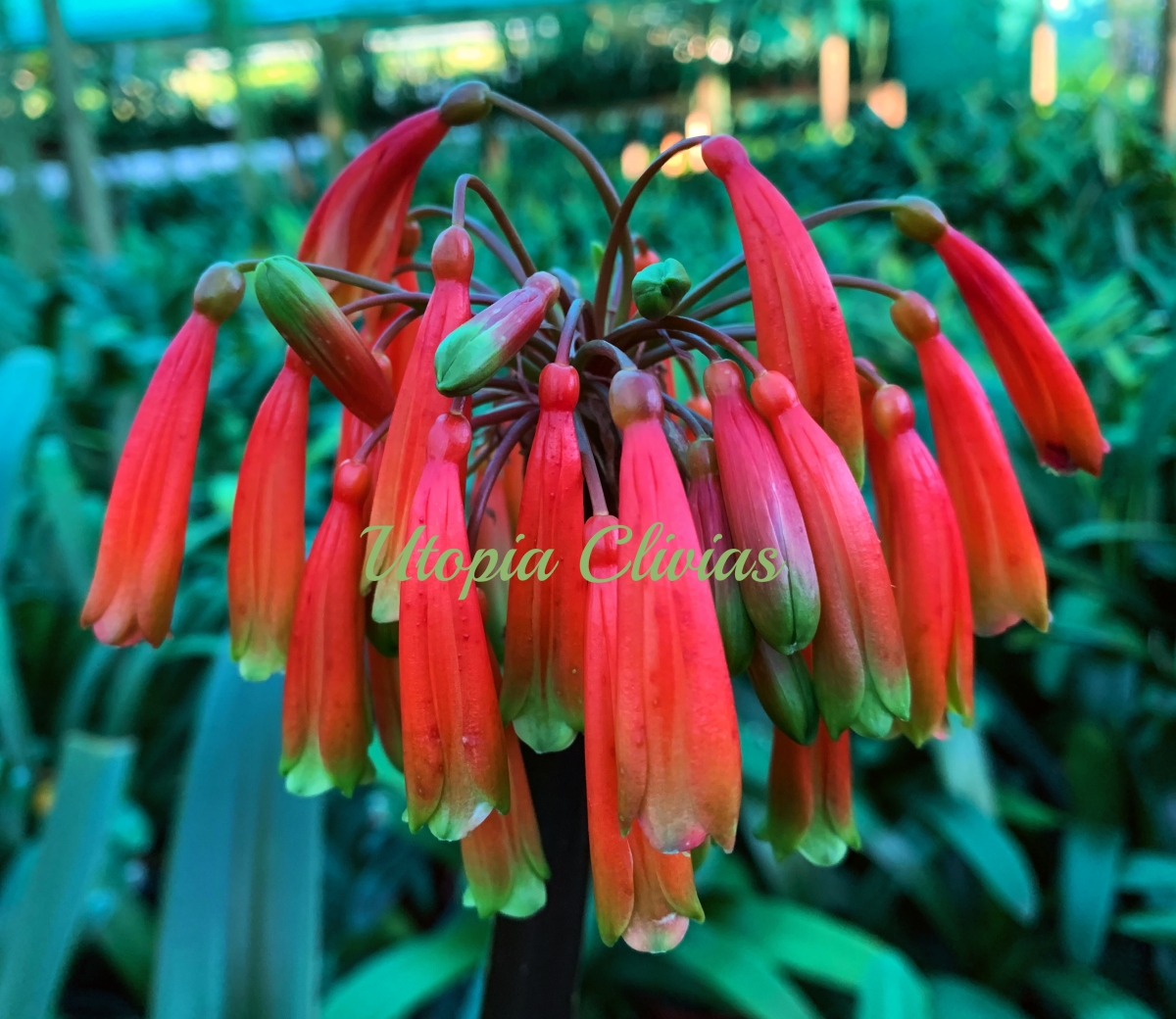
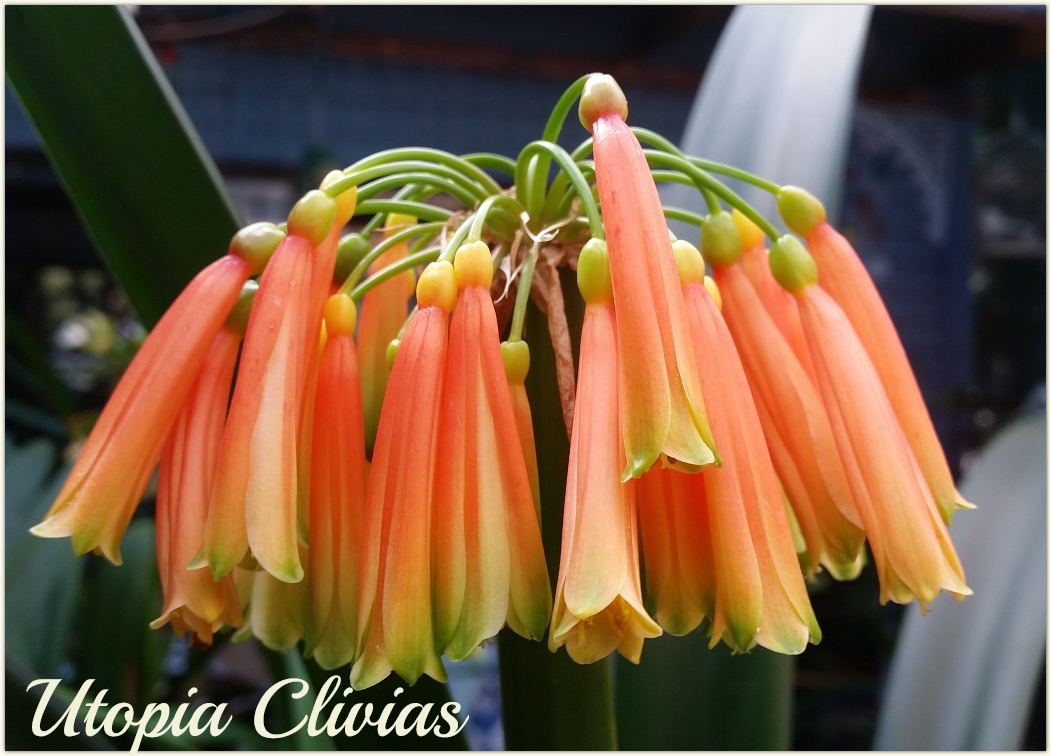
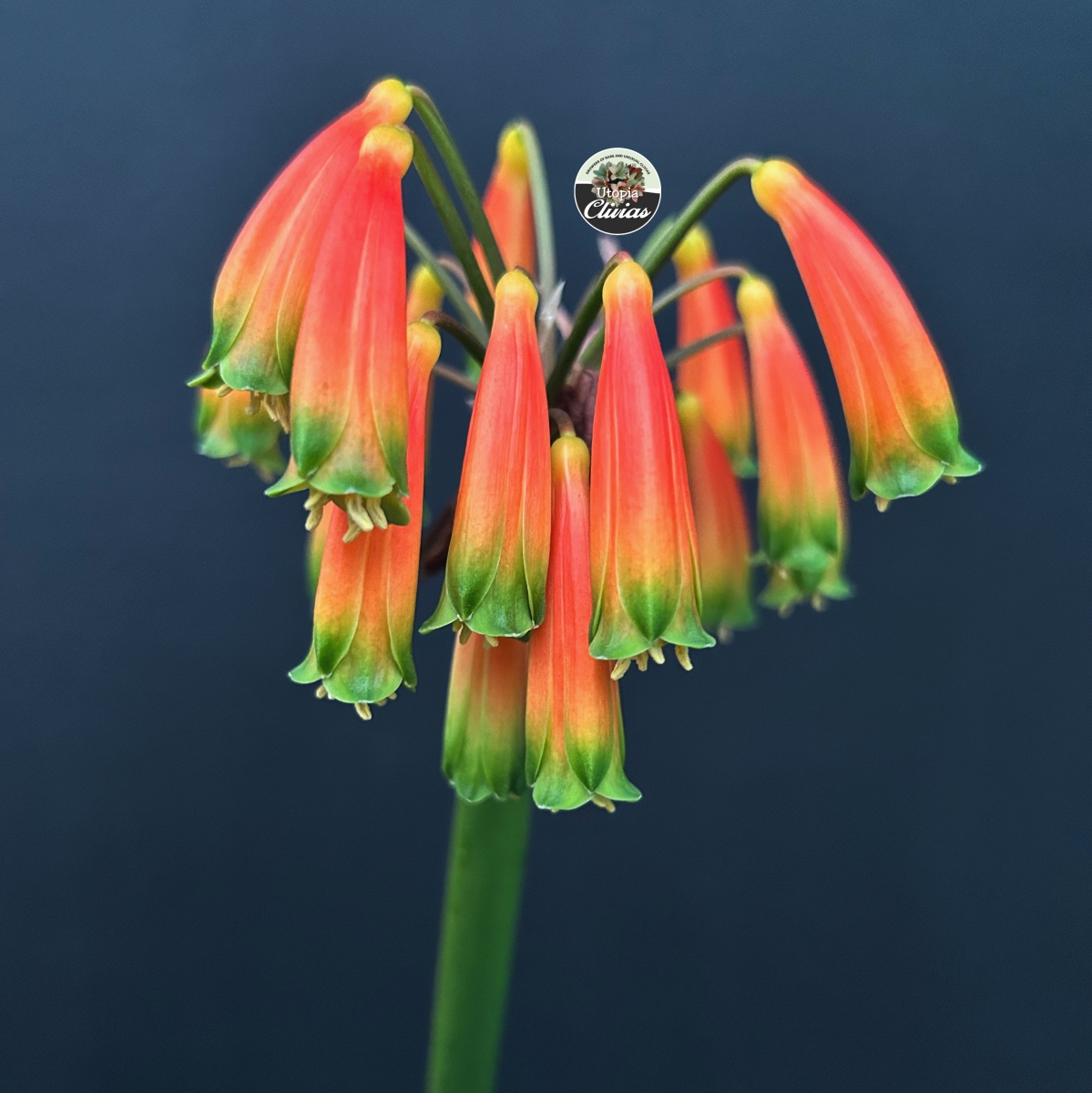
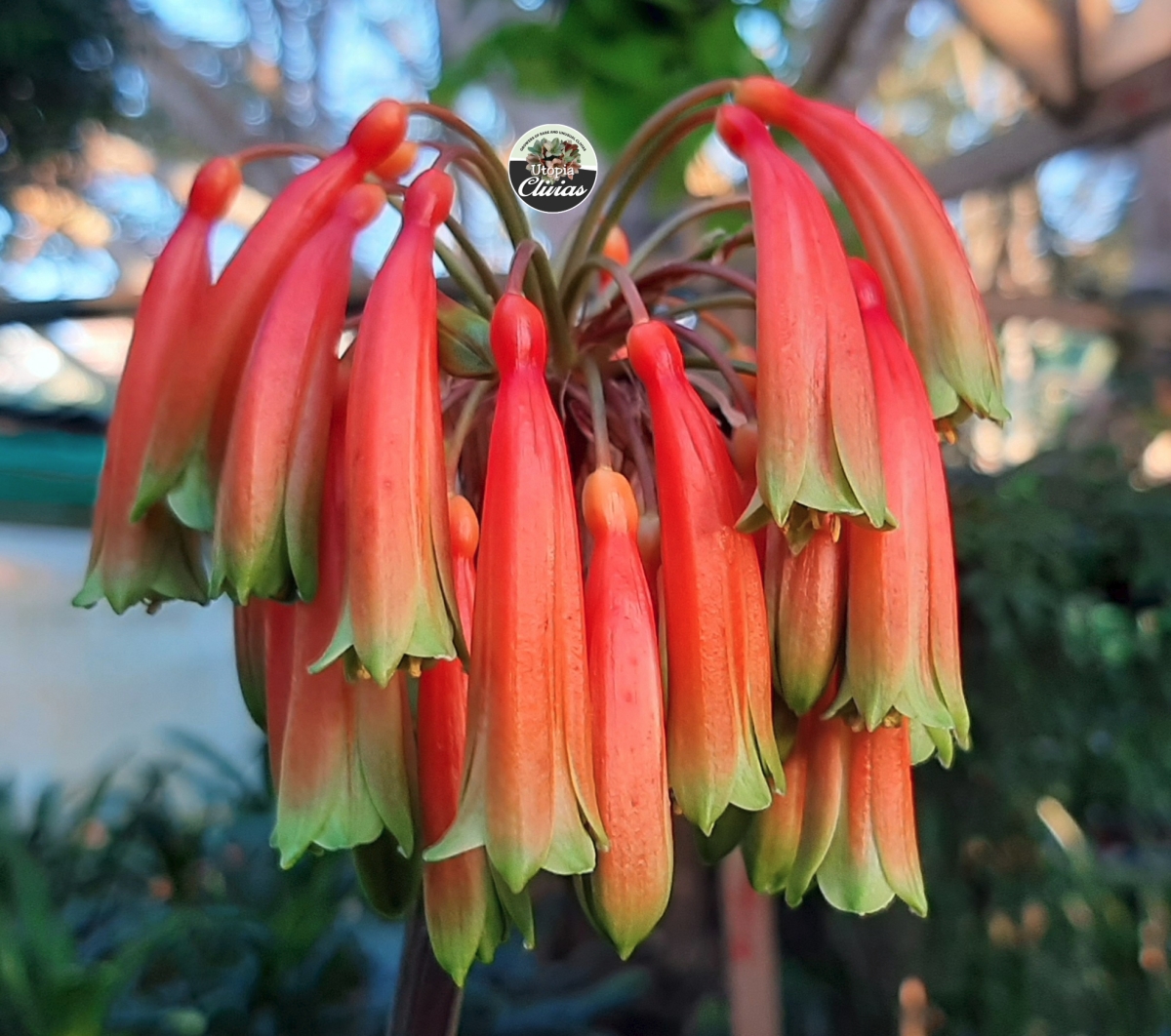
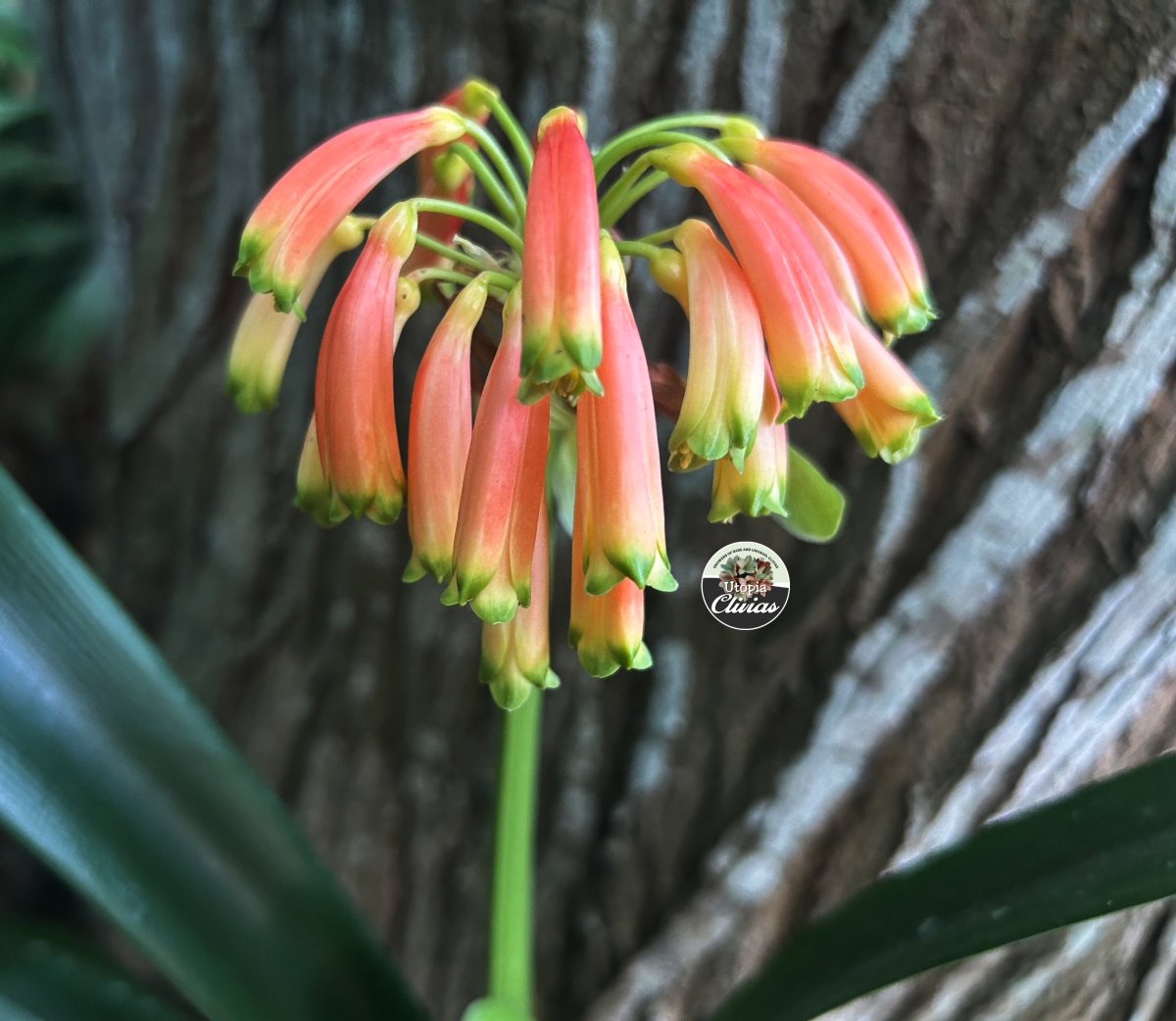
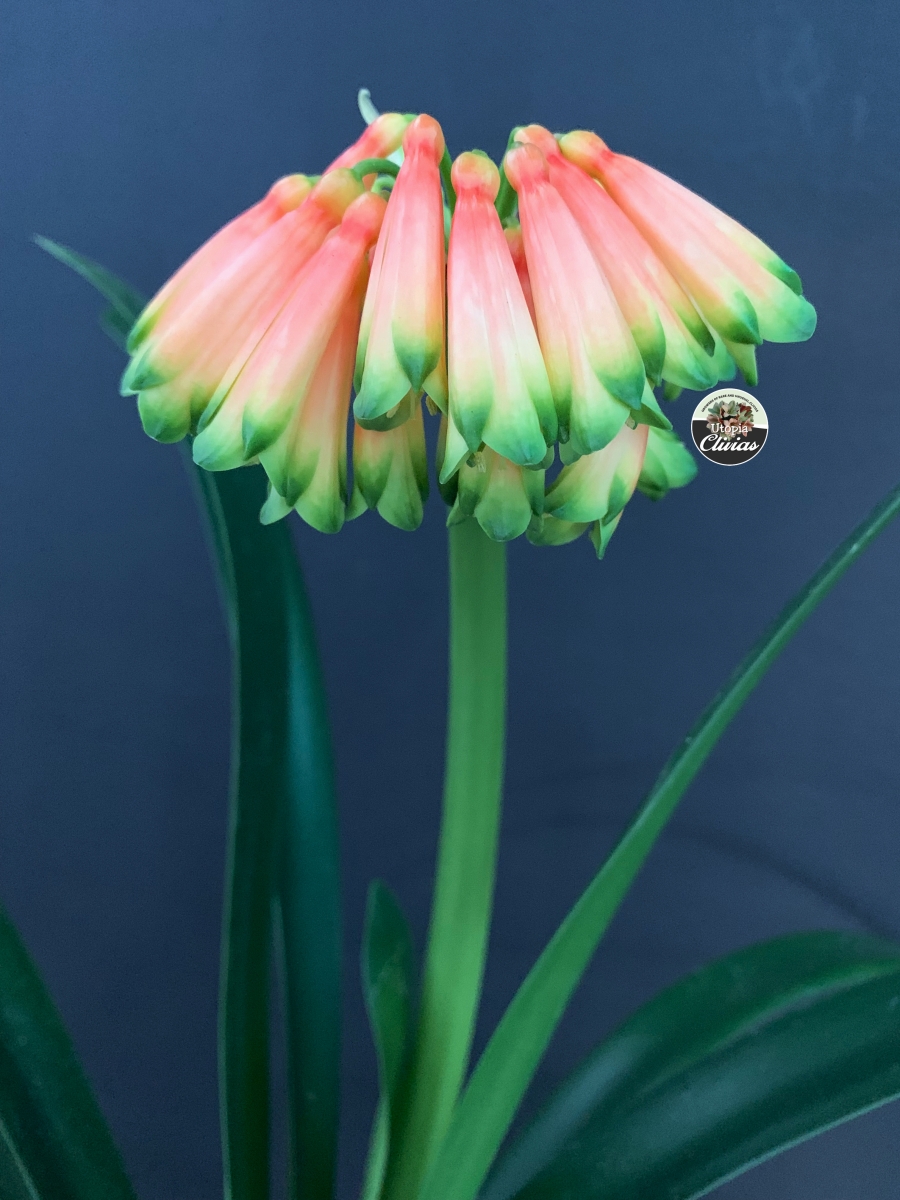
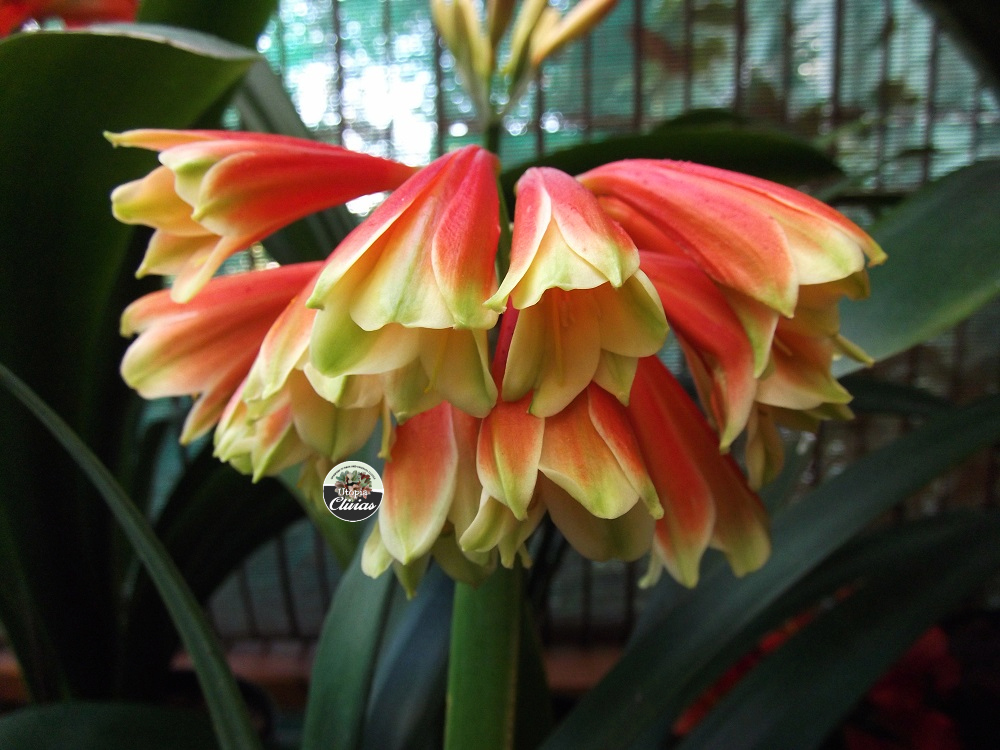
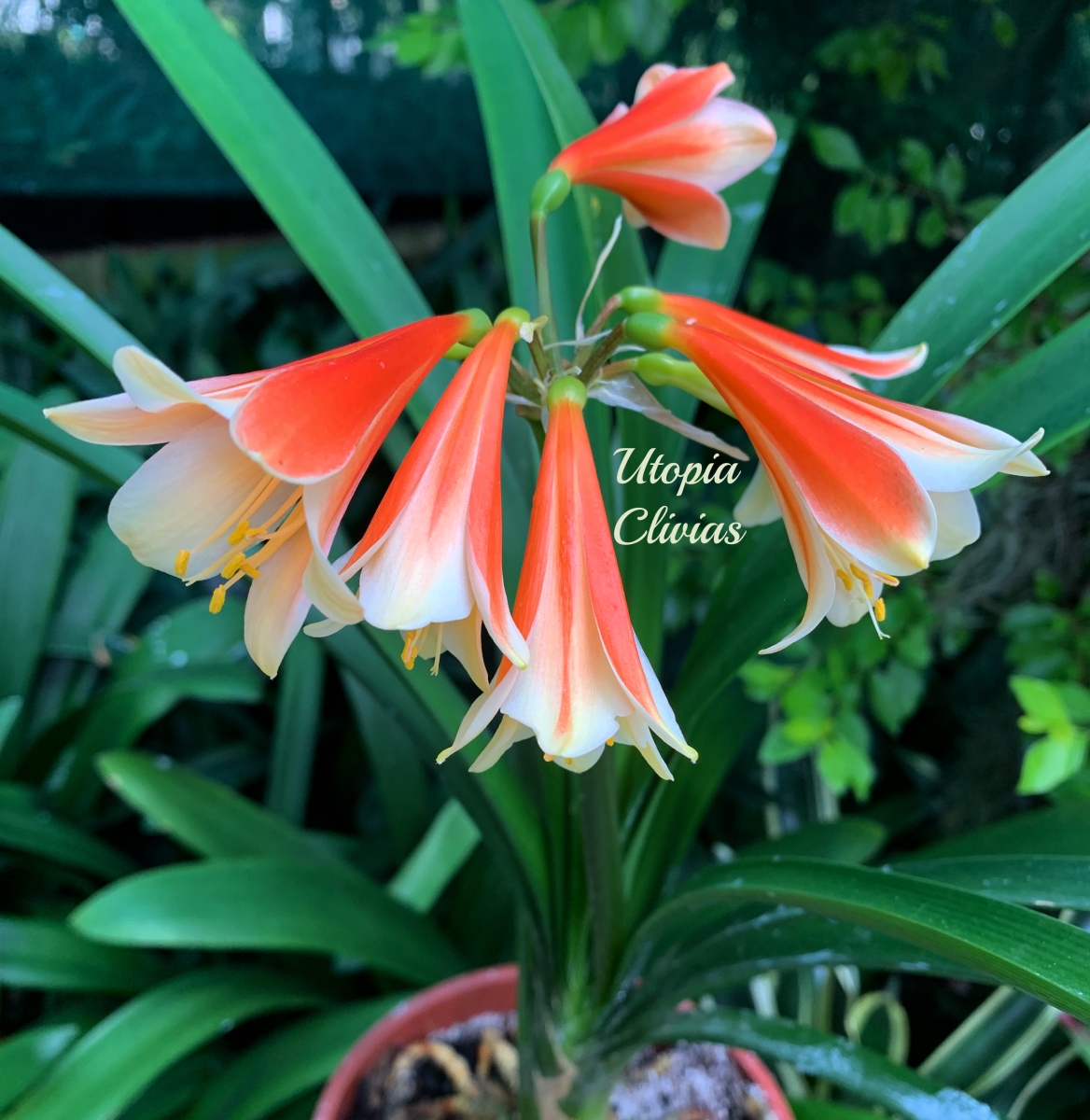
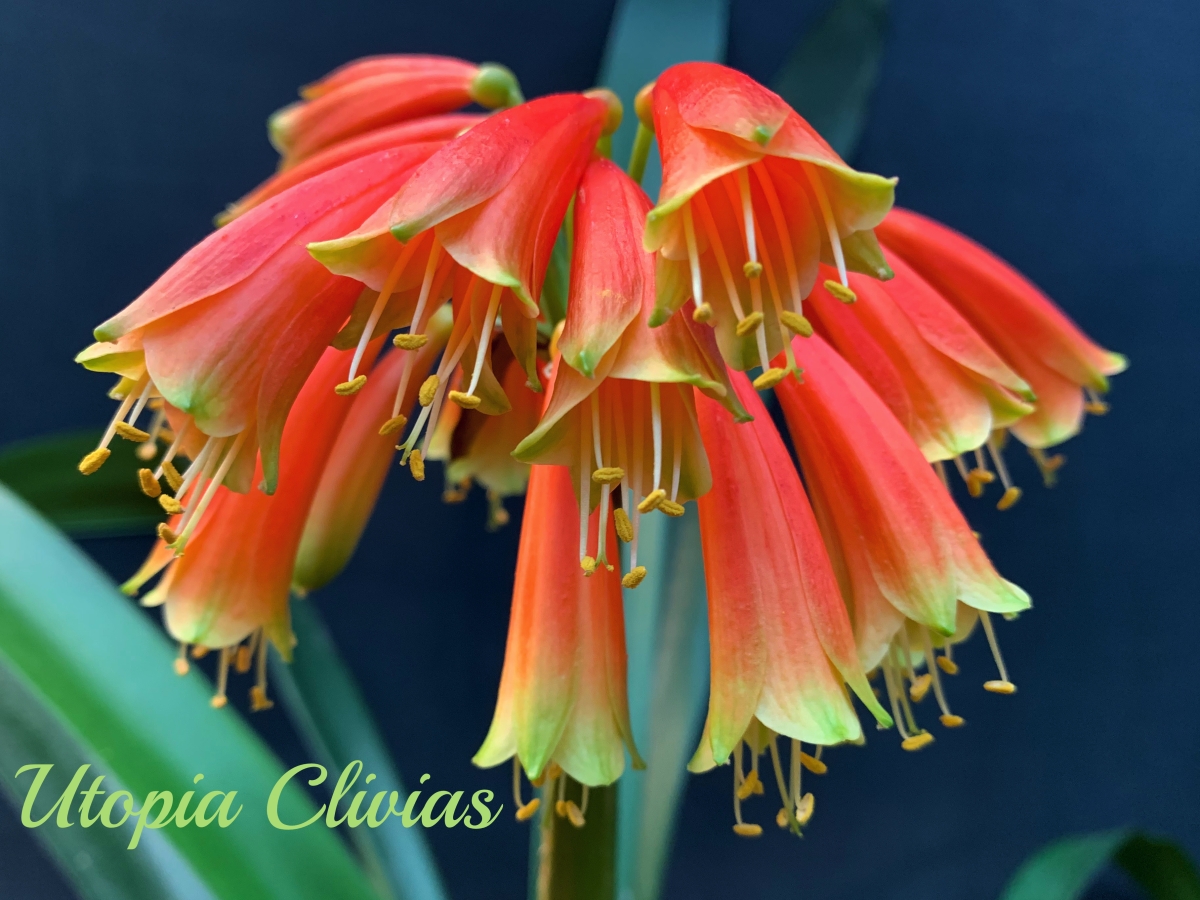
The flowers of Clivia caulescens are refined and unmistakable:
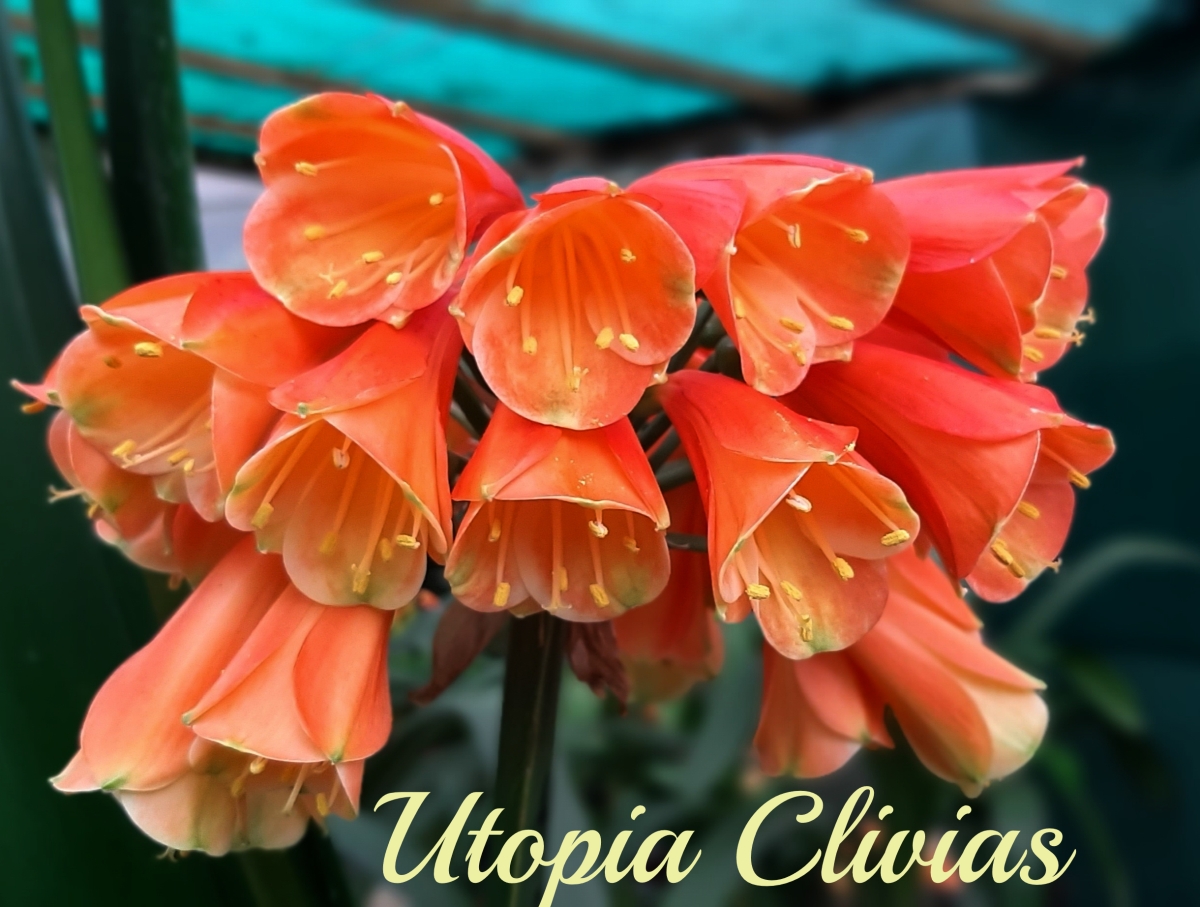
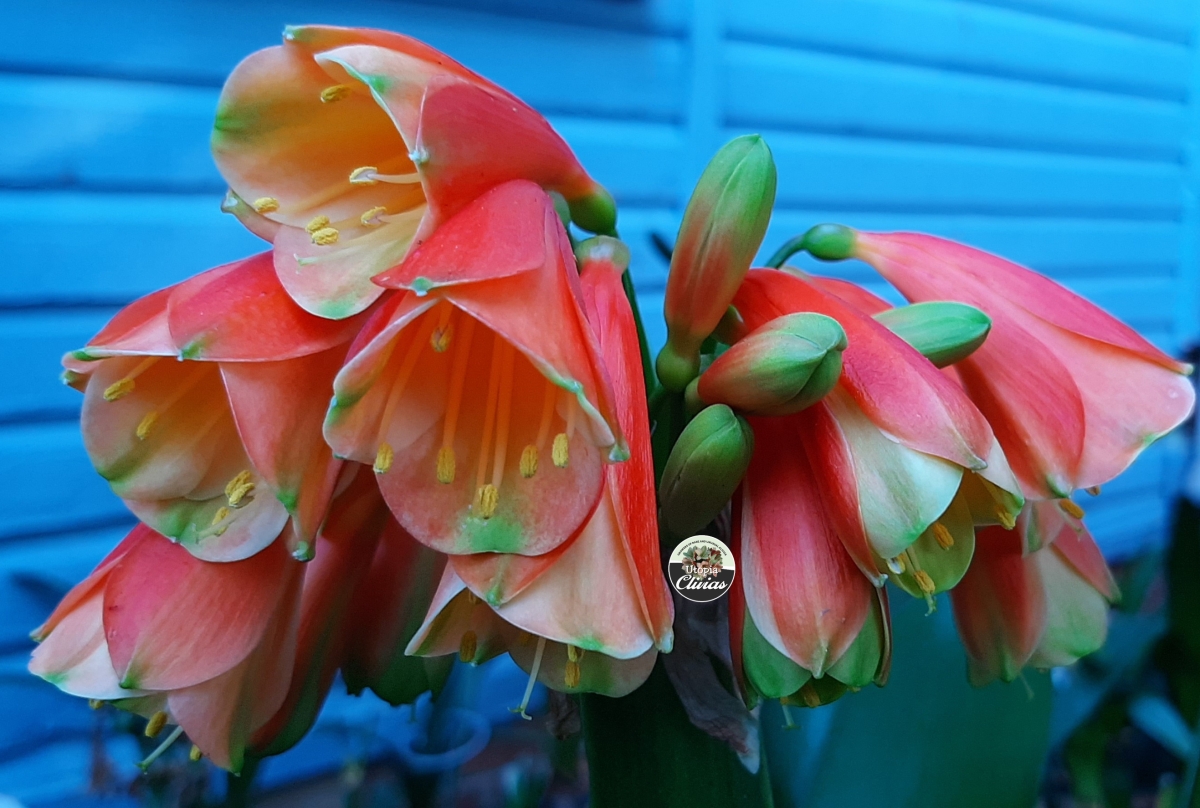
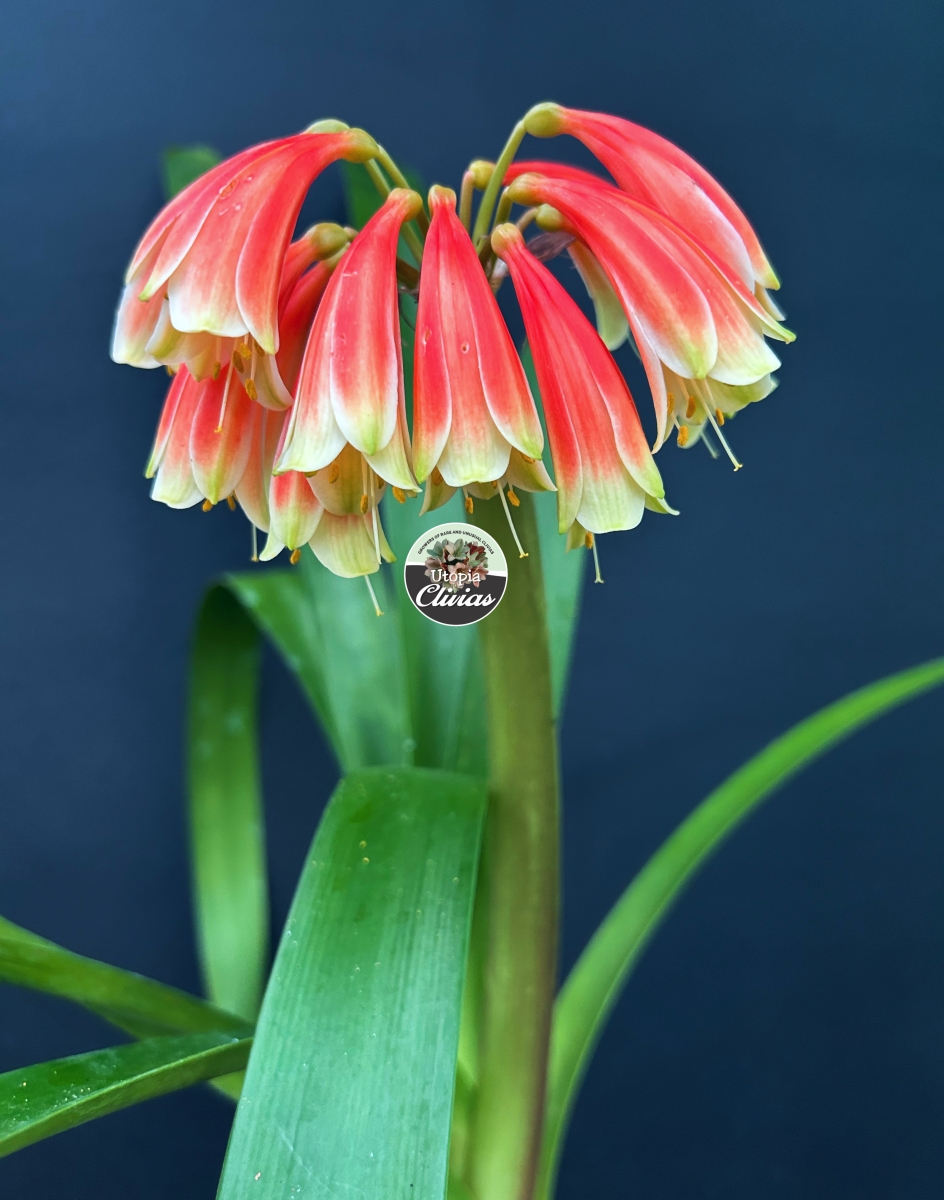
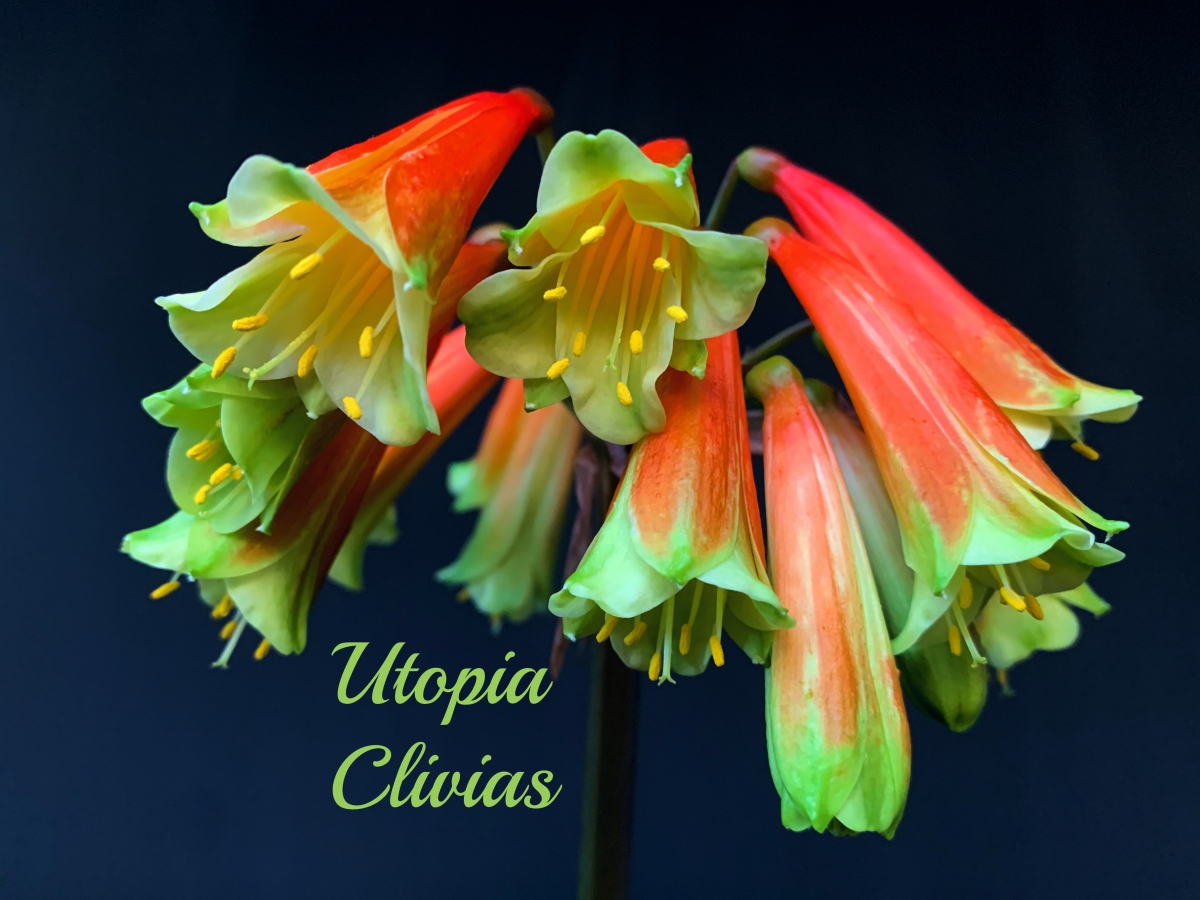
Pendulous, tubular blooms
Predominantly orange-red, with characteristic green tips
Borne in loose, drooping umbels
Flowering occurs mainly in spring and summer in the Southern Hemisphere
The pendant orientation is considered an adaptation to forest pollinators and seasonal rainfall patterns.
Fruit and Seed
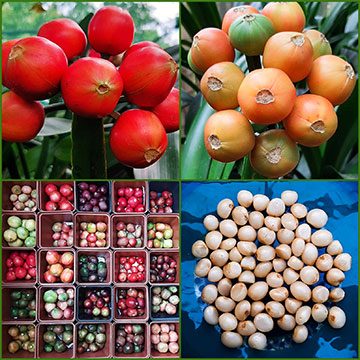
Following pollination, bright red berries develop and ripen during winter, approximately six months after flowering.
Each berry contains 1–4 large seeds
Seed diameter ranges from 9–13 mm
Seeds are fleshy and germinate readily under suitable conditions
Breeding Value and Interspecific Hybridisation
Clivia caulescens is widely regarded as a key species in interspecific Clivia breeding, known for producing hybrids of consistently high quality in both first-generation (F1) and second-generation (F2) crosses. It is particularly valued for its ability to enhance flower form, floral orientation, and overall plant elegance.
A notable strength of this species is its capacity to transmit desirable traits whether used as the seed parent or pollen parent, with each direction producing distinct and predictable outcomes.
Caulescens × Miniata
When Clivia caulescens is used as the pollen parent in crosses with Clivia miniata, the resulting hybrids commonly exhibit:
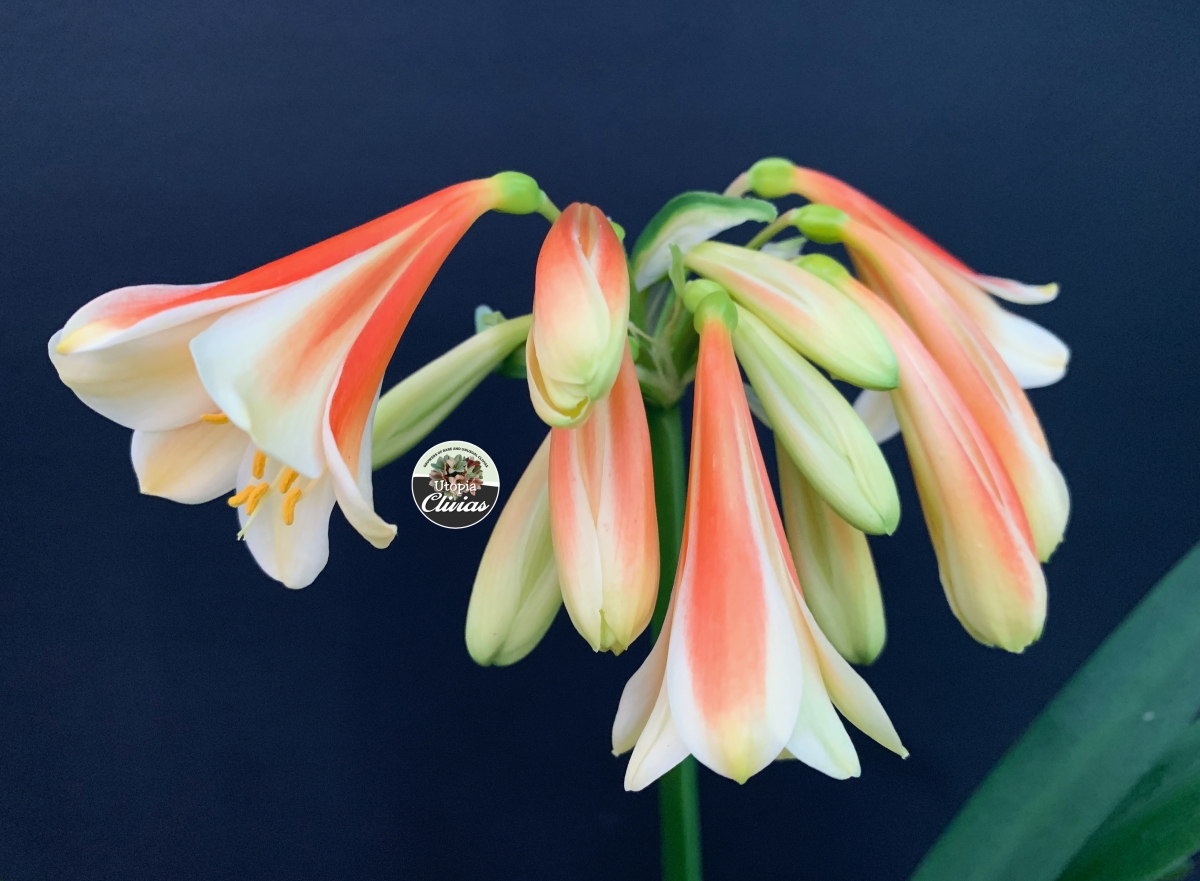
Strong tubular flower shape
Pronounced pendulous orientation
Graceful, architectural inflorescences
Clear expression of caulescens floral influence
These hybrids are especially prized for introducing movement, refinement, and form into breeding lines.
Miniata × Caulescens
When Clivia miniata is used as the pollen parent, the F1 hybrids typically display:
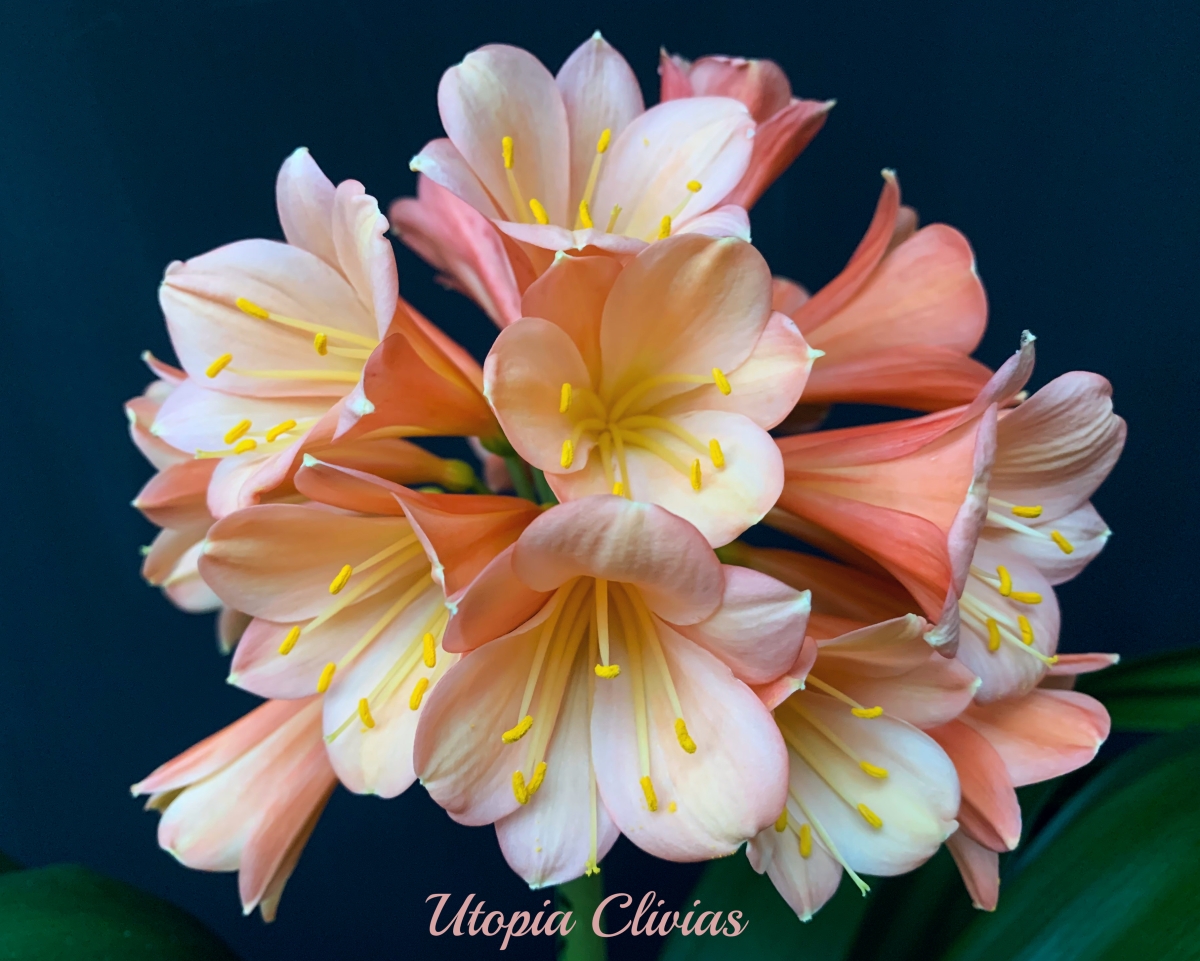
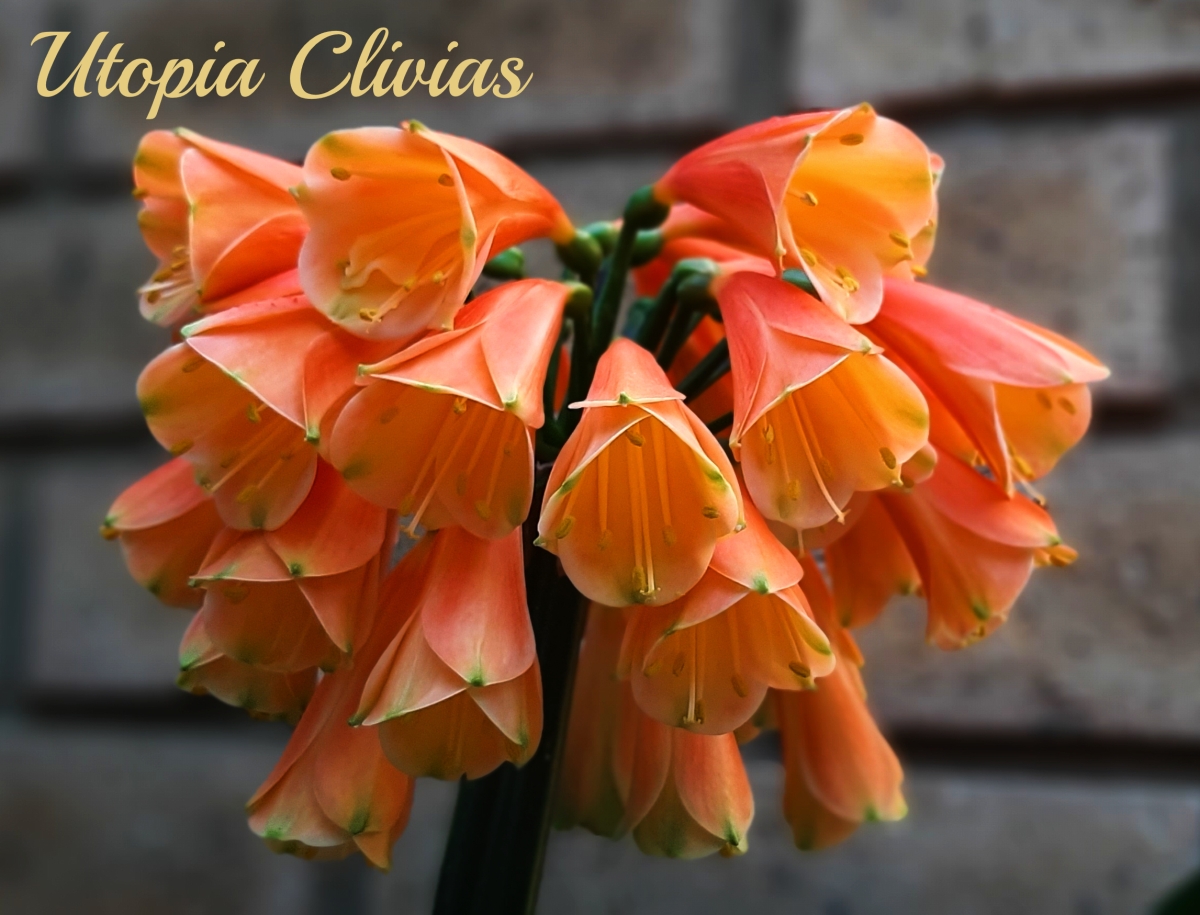
Larger, more open blooms
Improved flower substance
Excellent overall F1 flower quality
Strong colour expression combined with enhanced presentation
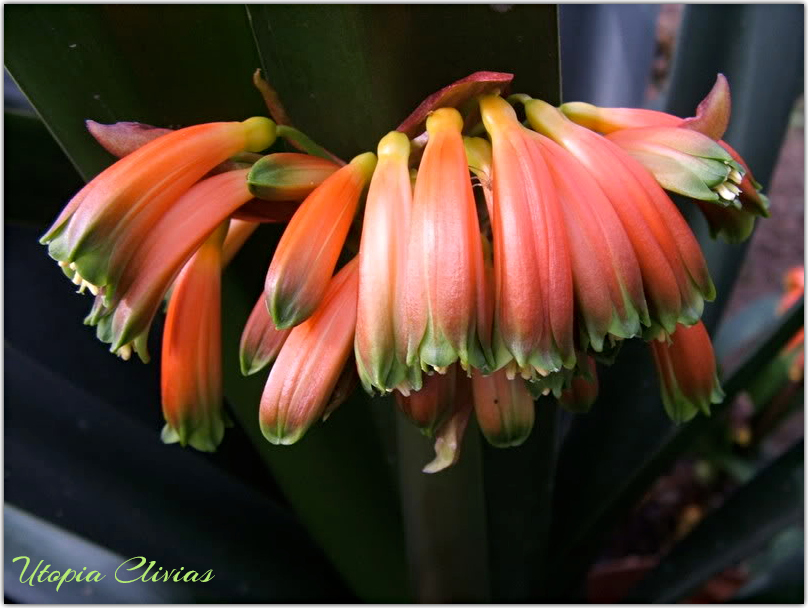
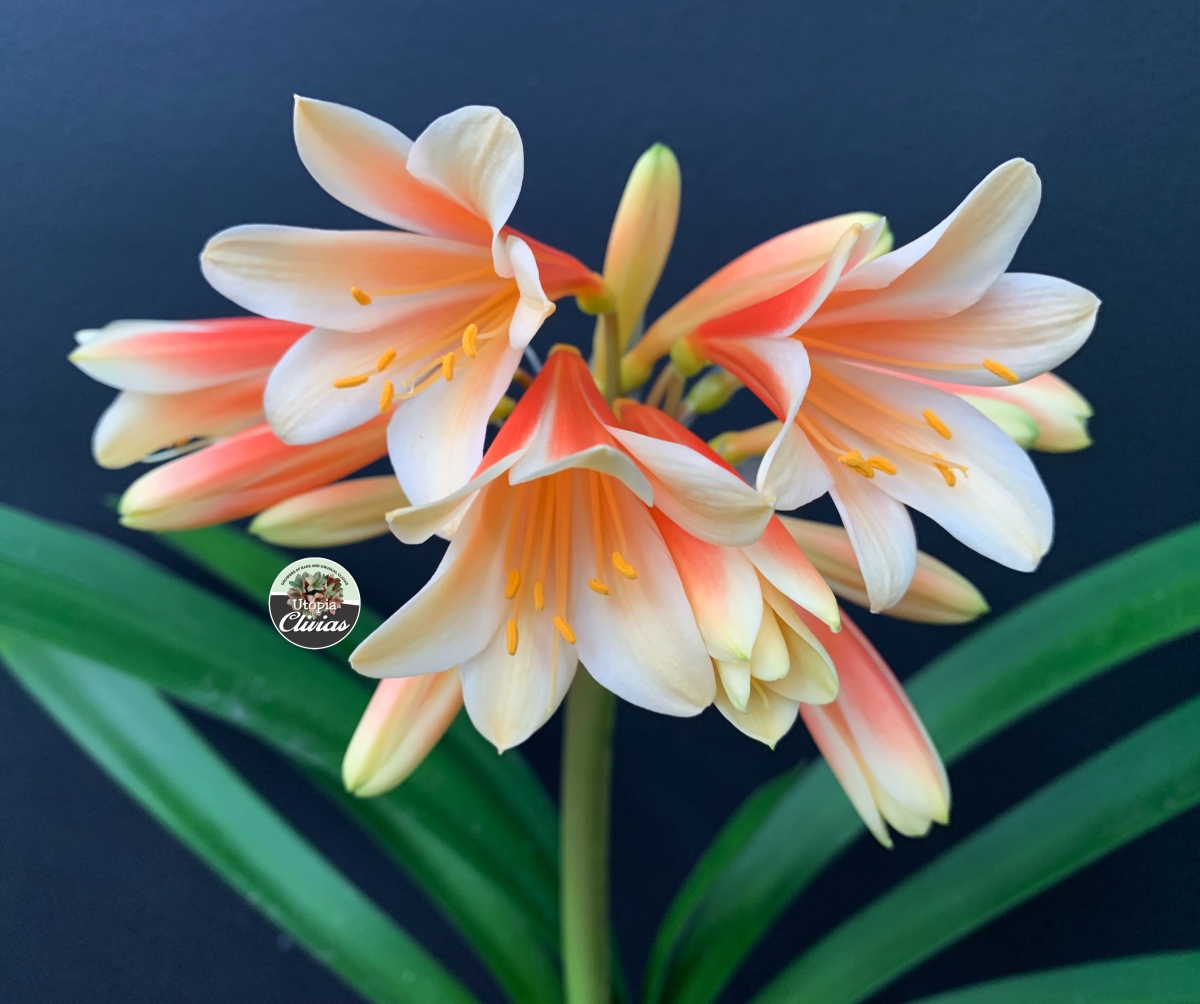
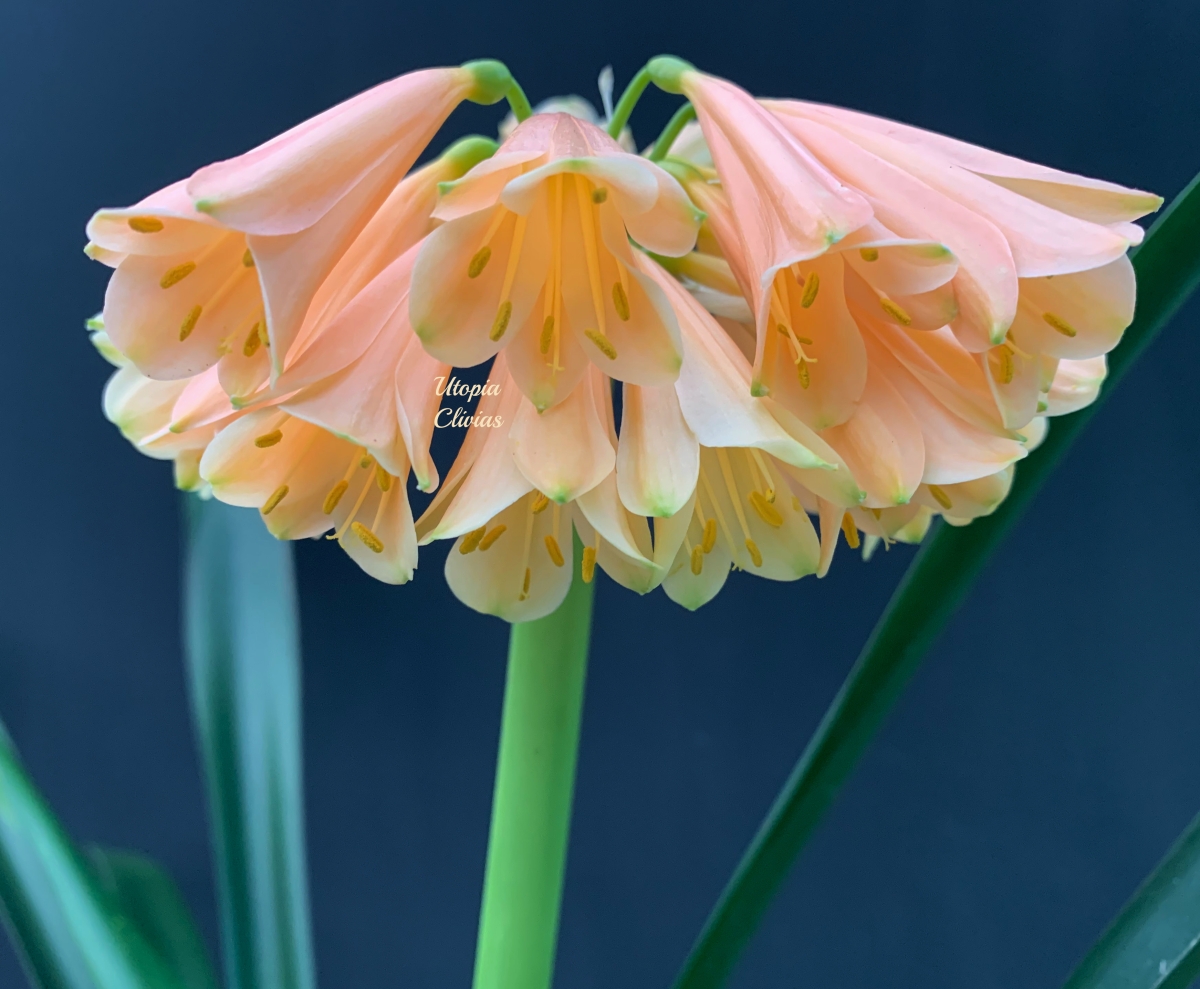
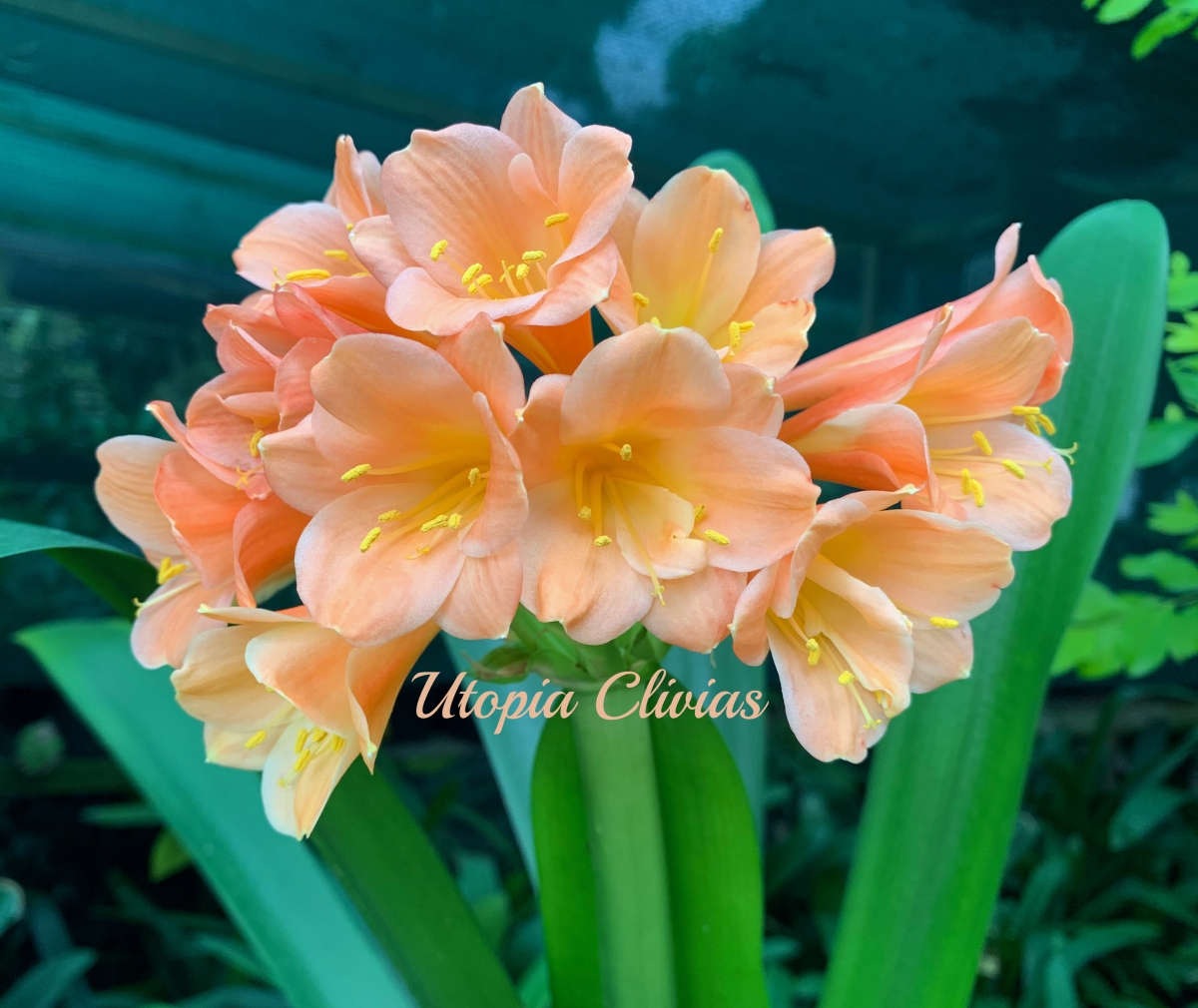
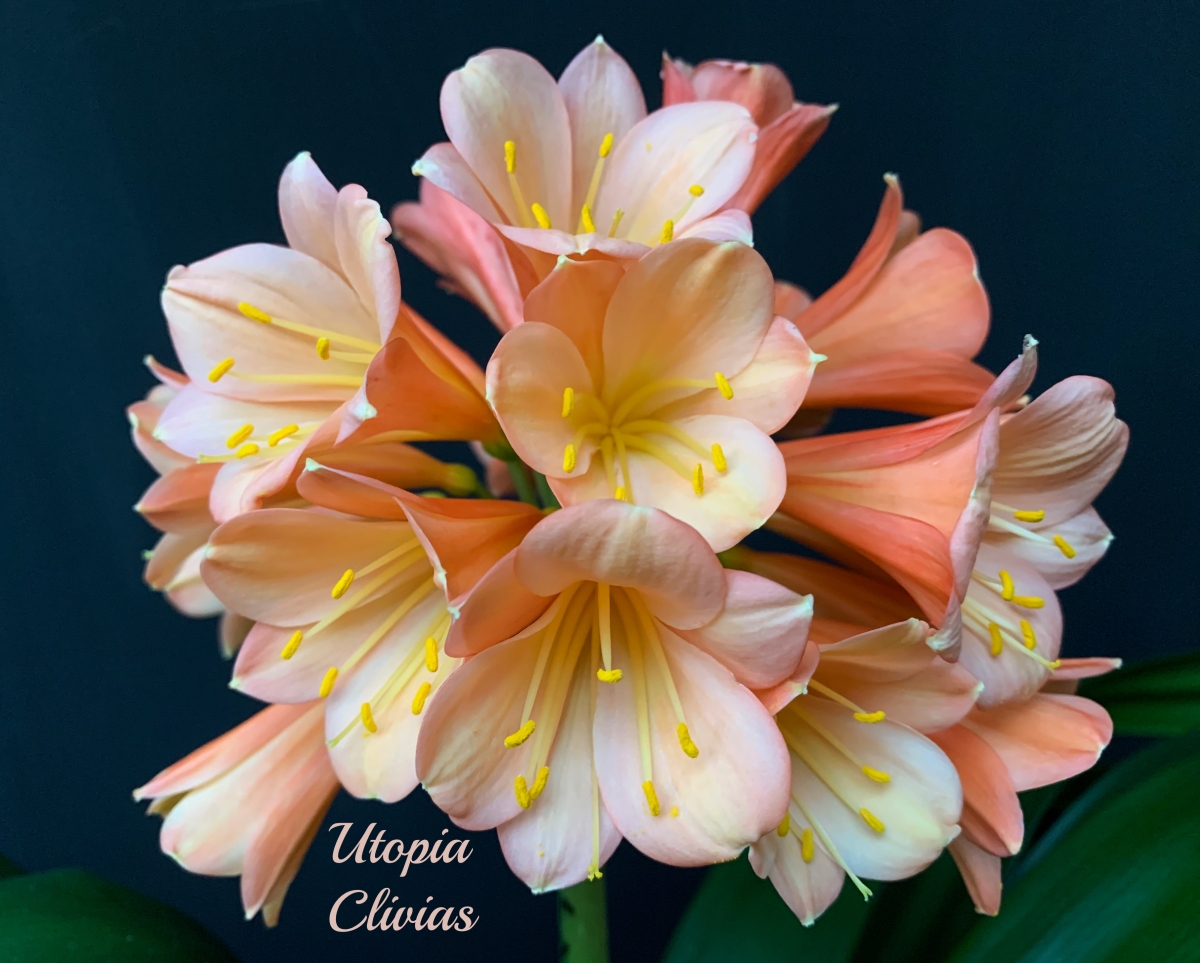
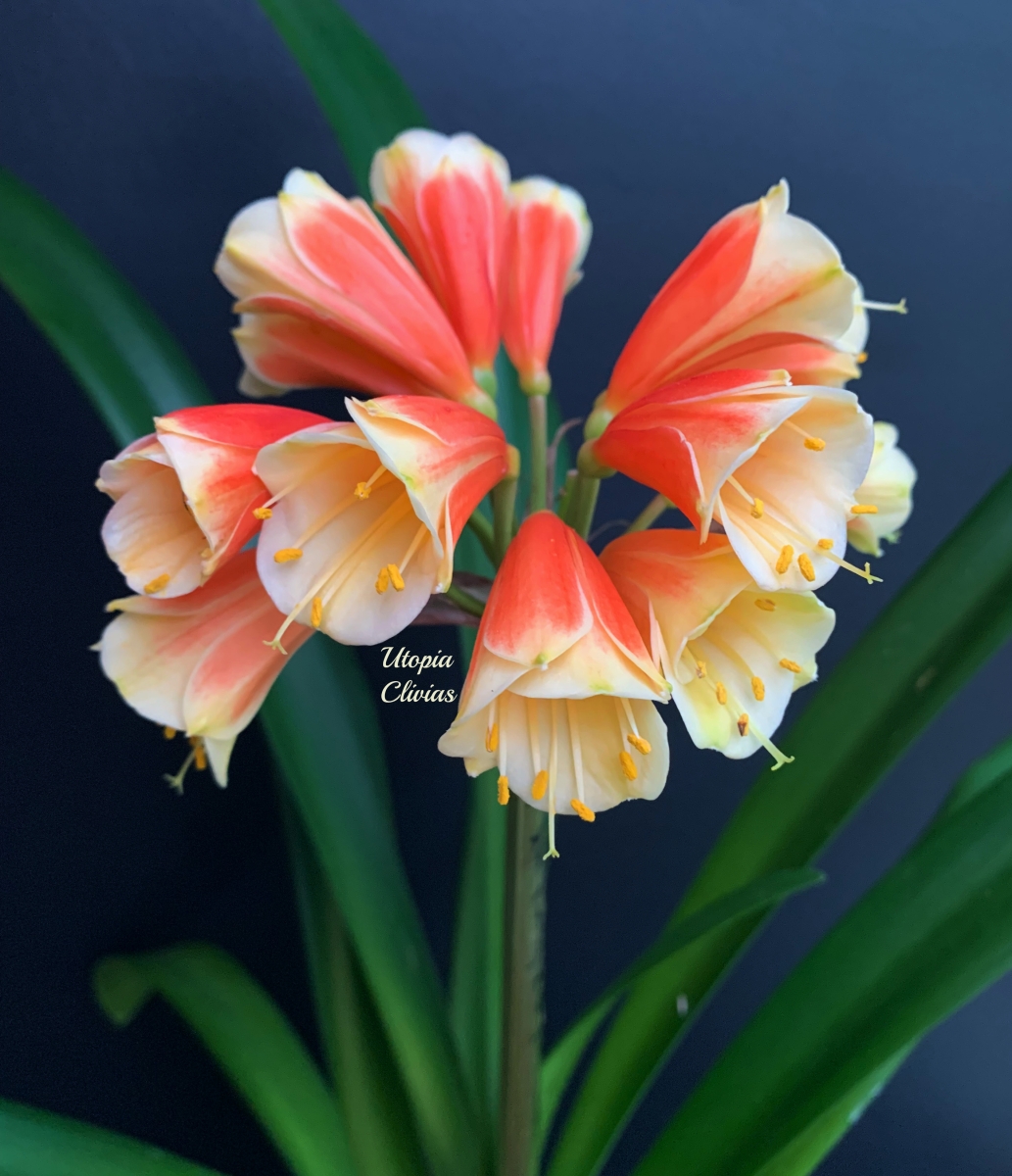
The gallery examples clearly demonstrate the versatility and reliability of Clivia caulescens as a breeding parent.
Conservation and Ethical Cultivation
As with all Clivia species, Clivia caulescens is protected in the wild. Responsible cultivation depends on legally propagated, nursery-grown plants raised from seed. Ethical breeding and regulatory compliance are essential to preserving wild populations while advancing cultivated diversity.
Clivia caulescens at Utopia Clivias
At Utopia Clivias, Clivia caulescens plays an important role in both species preservation and advanced hybrid breeding. Our plants are ethically grown and carefully selected to maintain species integrity while contributing valuable traits to interspecific breeding programmes.
The addition of our rare variegated yellow form further highlights the genetic diversity and uniqueness of our collection, providing a living example of nature’s unexpected variations within this remarkable species.