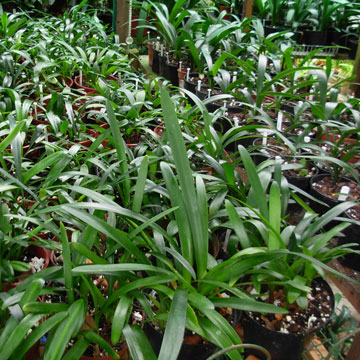
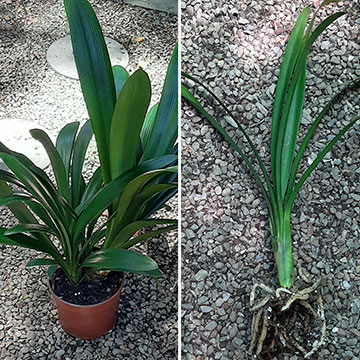
How to Plant and Care for Your Clivia Seedlings
Beginner’s Guide from Utopia Clivias
Bringing home new Clivia seedlings is an exciting step for any gardener. Whether you're new to growing Clivias or adding to your collection, proper planting and care in the first months is essential for healthy growth and future flowering. At Utopia Clivias, we want your seedlings to thrive, so follow this complete guide to set them up for success.
1. Handle Seedlings with Care
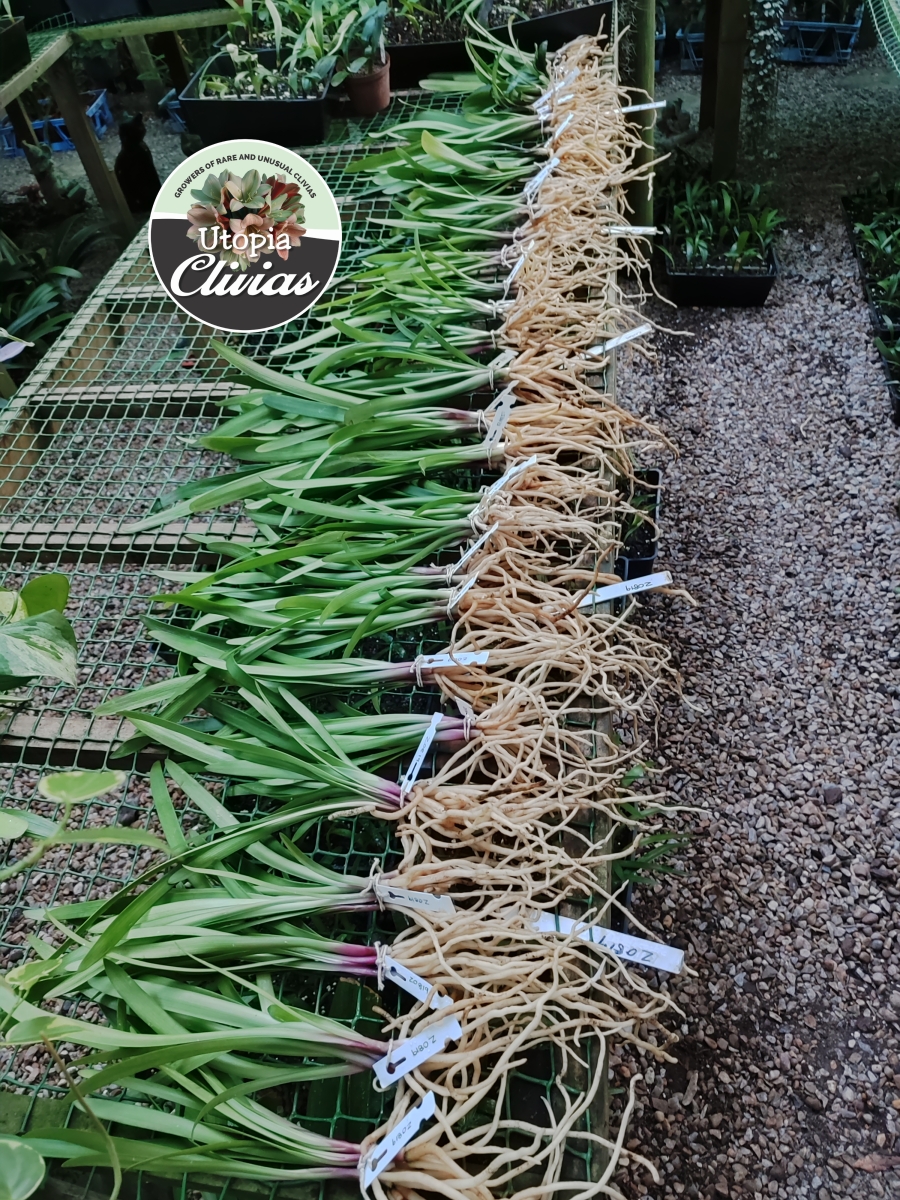
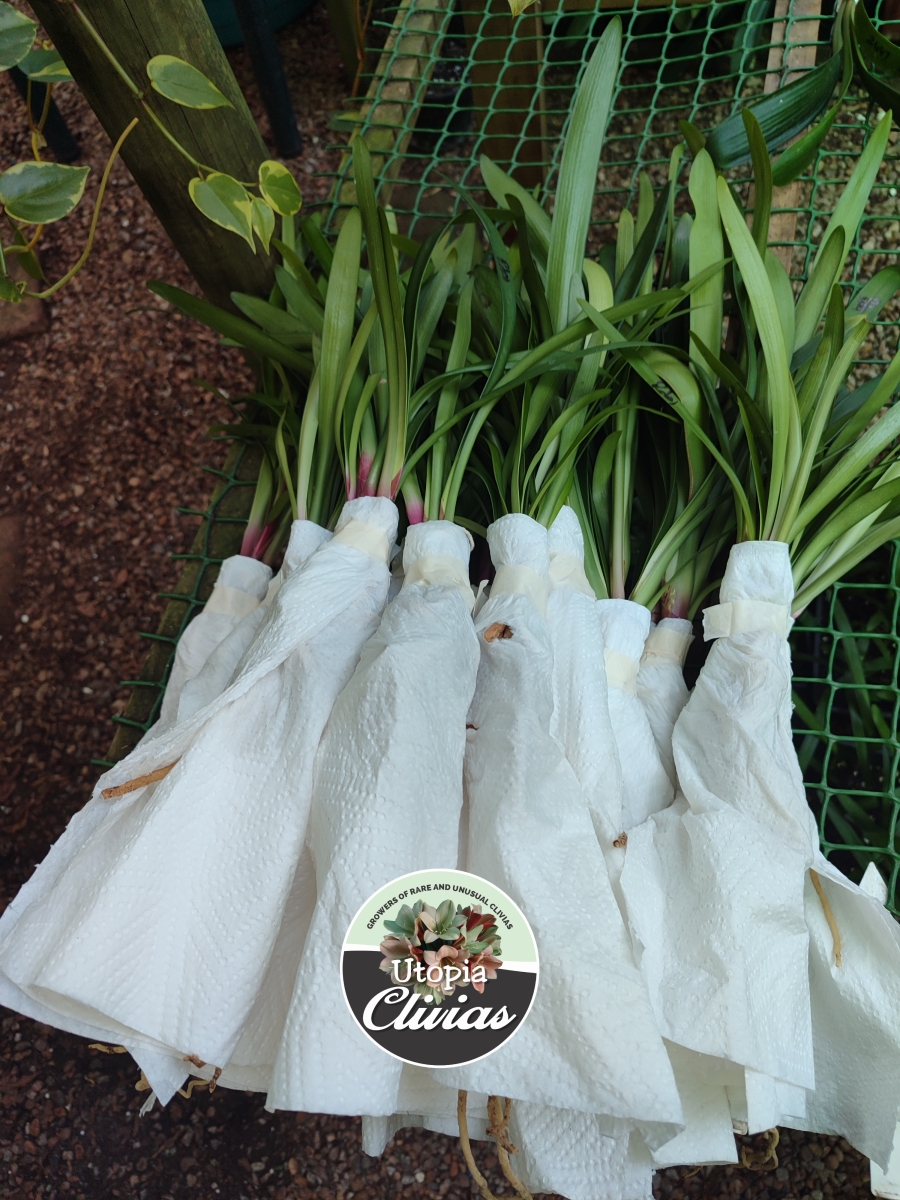
When your Clivia seedlings arrive, gently unpack and unwrap them. The roots are delicate, so handle them carefully to avoid damage.
2. Rehydrating After Transit
Even though we package our seedlings to retain moisture, they may feel dry after shipping. Soak the roots in tap water for about an hour to rehydrate them before planting. This helps the seedlings recover quickly and reduces transplant shock.
3. Best Potting Mix for Clivia Seedlings
Healthy growth starts with the right soil. Use a well-draining mix to prevent waterlogged roots, which are a common cause of rot:
Potting soil
Pine bark or fine bark chips
Filter sand
Perlite
This combination provides both aeration and moisture retention, ensuring your seedlings develop strong roots.
4. Potting: Individual vs. Community Pots
Seedlings can be planted in individual 15cm pots or grouped in a community pot. We recommend individual pots to give each seedling space and reduce the risk of disease spreading between plants.
5. Planting Depth
Plant your seedlings with the crown slightly above the soil surface. Press the soil gently around the base to secure the plant, but avoid compacting too much. This positioning prevents rot and promotes healthy growth.
6. Light Requirements
Clivia seedlings thrive in bright, indirect light or dappled shade:
Early morning sun is acceptable
Avoid harsh midday sun to prevent leaf scorch
For better flowering as plants mature, maintain light shade
7. First Watering and Feeding
Water lightly after planting using a diluted solution of Nitrosol or Seagrow, along with a mild fungicide such as Benomyl or Virikop. This strengthens seedlings and helps prevent fungal infections.
8. Watering Routine
Water once a week until seedlings are well-established
Clivias prefer to be on the drier side rather than overwatered
Always allow the top few centimeters of soil to dry before watering again
9. Temperature and Humidity
Ideal temperature: 18–24°C (65–75°F) during early growth
Moderate humidity is ideal
Keep seedlings away from drafts, heaters, or air conditioners
Seedlings do not yet require a cold rest period — this will come later as they mature
10. Fertilising Seedlings
Begin feeding 4–6 weeks after planting
Use a diluted balanced fertiliser (e.g., 10:10:10) every 3–4 weeks
Avoid strong fertilisers early on; seedlings are sensitive
As plants mature, gradually transition to high-potassium fertilisers to encourage flowering in later years
11. When to Repot
Transplant seedlings into a slightly larger pot once roots begin appearing at the top or bottom of the container. Clivias prefer to be slightly root-bound, which encourages flowering later on. Repotting too often or into oversized containers can promote leaf growth over flower production.
12. When Will My Clivia Flower?
With proper care, Clivias usually begin flowering in their fourth year
Patience is key — slow-growing seedlings develop stronger stems and fuller blooms
Flowering depends on factors such as light, temperature, and nutrition
13. Common Seedling Problems
| Problem | Cause | Solution |
|---|---|---|
| Yellowing leaves | Overwatering, poor drainage | Reduce water, check soil mix |
| Leggy growth | Insufficient light | Move to brighter, indirect light |
| Stunted growth | Nutrient deficiency | Apply mild, balanced fertiliser |
14. Advanced Tips for Future Flowering
Once your seedlings are established, the next step is encouraging blooms as they mature:
Maintain slightly root-bound pots
Provide cool, dry winter rest periods once plants are mature (4+ years)
Feed with high-potassium fertilisers in spring and autumn
Avoid excess nitrogen to prevent excessive leaf growth
For detailed flowering guidance, see: How to Get Clivias to Bloom
Final Thoughts
Caring for Clivia seedlings is a rewarding journey. With the right soil, light, watering, and fertilisation, your seedlings will grow into healthy, flowering plants that bring colour, charm, and life to your garden or shade house.
For more Clivia care tips, visit us at:
👉 www.utopiaclivias.co.za
👉 Follow us on Facebook: Utopia Clivias